'%3e%3cpath%20d='M43.073%200.00649261H15.0943V3.94346H43.073V0.00649261Z'%20fill='url(%23kiwitaxi-grad)'%20/%3e%3cpath%20d='M15.0828%203.94346C16.1928%203.94346%2017.0512%203.06513%2017.0512%201.97497C17.0512%200.874164%2016.1822%200.00649261%2015.0828%200.00649261C14.0362%200.00649261%2013.1379%200.851916%2013.1379%201.97497C13.1379%203.10916%2014.0478%203.94346%2015.0828%203.94346Z'%20fill='white'%20/%3e%3cpath%20d='M43.0614%203.94346C44.1715%203.94346%2045.0299%203.06513%2045.0299%201.97497C45.0299%200.874164%2044.1609%200.00649261%2043.0614%200.00649261C42.0149%200.00649261%2041.1166%200.851916%2041.1166%201.97497C41.1166%203.10916%2042.0265%203.94346%2043.0614%203.94346Z'%20fill='white'%20/%3e%3cpath%20d='M19.5921%2038.5052V39.828H23.1471V26.0491H19.5921V27.3446C18.895%2026.5789%2017.4549%2025.8841%2015.7339%2025.8841C11.8502%2025.8841%208.78975%2028.7578%208.78975%2032.939C8.78975%2037.1374%2011.8702%2039.9935%2015.7339%2039.9935C17.4938%2039.9935%2018.932%2039.2691%2019.5921%2038.5052ZM12.2892%2032.939C12.2892%2030.5715%2013.929%2029.1912%2015.9819%2029.1912C18.0106%2029.1912%2019.5647%2030.5845%2019.5647%2032.939C19.5647%2035.2579%2017.9768%2036.6869%2015.9823%2036.6869C13.9596%2036.6869%2012.2892%2035.264%2012.2892%2032.939Z'%20fill='white'%20/%3e%3cpath%20d='M44.7174%2026.0496H41.4289V39.8281H44.7174V26.0496Z'%20fill='white'%20/%3e%3cpath%20d='M32.2183%2035.7001L29.3455%2039.8281H24.94L30.044%2032.8552L25.1624%2026.0496H29.7075L32.3295%2029.8985L35.035%2026.0496H39.4405L34.5599%2032.7435L39.6361%2039.8281H35.1189L32.2183%2035.7001Z'%20fill='white'%20/%3e%3cpath%20d='M3.34504%2022.9604V26.0496H7.4039V29.0939H3.34504V34.2781C3.34504%2035.9866%204.33971%2036.7008%205.955%2036.7008C6.54504%2036.7008%207.16659%2036.5766%207.63241%2036.235V39.4341C7.04237%2039.7757%206.14133%2039.9931%204.89915%2039.9931C1.8243%2039.9931%200.0226746%2038.1293%200.0226746%2034.9298V22.96H3.34504Z'%20fill='white'%20/%3e%3cpath%20d='M36.2094%208.57428L33.307%2016.8723L30.43%208.57428H27.7621L24.8597%2016.8723L21.9828%208.57428H18.4884L23.2157%2021.4188H26.5037L29.084%2014.4093L31.6629%2021.4188H34.951L39.6782%208.57428H36.2094Z'%20fill='white'%20/%3e%3cpath%20d='M44.7174%208.57381H41.4289V21.4188H44.7174V8.57381Z'%20fill='white'%20/%3e%3cpath%20d='M16.7387%208.57381H13.4502V21.4188H16.7387V8.57381Z'%20fill='white'%20/%3e%3cpath%20d='M11.7001%208.57382L6.07922%2014.1326L12.1622%2021.4188H8.05929L3.92163%2016.28L3.3455%2016.8538V21.4188H0.0226746V3.94299H3.3455V12.7574L7.59764%208.57382H11.7001Z'%20fill='white'%20/%3e%3c/g%3e%3cdefs%3e%3clinearGradient%20id='kiwitaxi-grad'%20x1='15.0945'%20y1='1.97497'%20x2='43.073'%20y2='1.97497'%20gradientUnits='userSpaceOnUse'%3e%3cstop%20stop-color='%2300D2CD'%20stop-opacity='0'%20/%3e%3cstop%20offset='1'%20stop-color='%2300D2CD'%20/%3e%3c/linearGradient%3e%3cclipPath%20id='kiwitaxi-clip'%3e%3crect%20width='46'%20height='40'%20fill='white'%20/%3e%3c/clipPath%3e%3c/defs%3e%3c/svg%3e)


Switzerland is approximately the size of the Netherlands. It has four official languages, 7,000 lakes, 48 mountains above 4,000 meters, and roughly one cheese per 12 residents. It is also, by most credible measures, one of the most expensive countries on Earth — a fact that surprises approximately nobody who has seen the bill for a train ticket from Zurich to Zermatt.
None of which stops people from coming back. Because Switzerland does something quietly extraordinary: it makes landscapes that look like they were designed by a committee of overachievers, and then makes them reliably accessible. The train to the Jungfraujoch, Europe's highest railway station at 3,454 meters, runs on schedule. The hiking trails — all 65,000 kilometers of them — are marked with yellow wooden signs that give walking times accurate to within 5 minutes. The mountain restaurants serve wine. Fondue is available at 2,000 meters. The whole country operates on the same exacting standard that applies to Swiss watches, and somehow that makes even the wildest peaks feel welcoming.
What Switzerland requires is not bravery but planning — and occasionally, acceptance that the CHF signs will make you wince. What it delivers is the Alps at their most accessible, four completely different cultures in a country smaller than most American states, cities with genuine character beyond the postcard, and the specific satisfaction of watching a train arrive to the second at a mountain station surrounded by snow and realizing that, yes, everything they said about Swiss efficiency is exactly true.

Getting to Switzerland
By Air
Switzerland has three main international airports. Zurich Airport (ZRH) is the largest, handling the most intercontinental routes and functioning as the gateway for German-speaking Switzerland, Lucerne, and the Jungfrau region. Geneva Airport (GVA) serves French-speaking western Switzerland — the logical entry point for Zermatt, the Lake Geneva region, and Lausanne. Basel-Mulhouse-Freiburg Airport (BSL/MLH) straddles the Swiss-French border and serves Basel and the Rhine region with primarily European routes.
The strategic tip: if you're covering significant ground across Switzerland, consider flying into one airport and out of another. Switzerland is designed for linear travel rather than loops — flying Zurich in, Geneva out (or vice versa) lets you travel the country in one direction without backtracking.
By Train
The main international rail hubs are Zurich HB, Geneva Cornavin, Basel SBB, and Lausanne. TGV services reach Paris from Geneva in 3 hours 20 minutes and from Basel in 3 hours. ICE trains connect Zurich to Frankfurt in 3 hours 45 minutes and to Munich in 3 hours 25 minutes. Intercity services run to Milan (via the Gotthard Tunnel or the Simplon Pass route) and to Vienna and Amsterdam. Switzerland sits at the crossroads of European rail geography — arriving by train from almost any direction is scenic and logical.
By Road
Switzerland connects to Germany, France, Austria, Italy, and Liechtenstein by motorway. A vignette sticker (CHF 40 per year) is mandatory for motorway use and must be purchased at the border, petrol stations, or in advance online. Without it, motorway fines are steep. For travelers arriving from Italy via the Gotthard or San Bernardino routes, the mountain road approach is dramatic; for arrivals from Germany and France, the border crossings are smooth and often unattended.

Getting Around Switzerland
Switzerland's transport network is one of the genuine wonders of the modern world. The question is not whether public transport can get you there — it almost always can — but whether it can get you there on the schedule you want.
Swiss Travel Pass
The most important travel purchase for most visitors. The Swiss Travel Pass covers unlimited travel on trains, buses, and lake boats operated by SBB and partner companies, plus free entry to 500+ museums and 50% discount on most mountain railways, cable cars, and gondolas. Available for 3, 4, 6, 8, or 15 consecutive days. Calculate carefully: it pays off fastest if you're moving between cities and doing mountain excursions. For a week of varied travel including cities, lakes, and at least two or three mountain ascents, it almost always covers its cost.
What the pass doesn't cover in full: most high-mountain railways (Jungfraujoch, Matterhorn Glacier Paradise, Pilatus cogwheel railway) — though the 50% discount is significant, as these journeys cost CHF 60–130 full price. Budget accordingly.
SBB Trains
The Swiss Federal Railways system is the backbone of the country. Trains run on intervals of 30 or 60 minutes on most routes, with more frequent service between major cities. Zurich to Lucerne: 50 minutes. Zurich to Bern: 55 minutes. Zurich to Interlaken: 2 hours. Geneva to Zermatt: 2h 30min via Visp. All connections are timed precisely; a two-minute missed connection is a genuine issue, especially on mountain routes where the next departure may be an hour later.
The SBB app is essential — it books tickets, shows real-time connections, and offers a digital Swiss Travel Pass that works offline. Download it before you land.
Scenic Train Routes
Switzerland's scenic trains are experiences in themselves and deserve specific planning:
The Glacier Express runs between Zermatt and St. Moritz (or Davos) — 8 hours through 91 tunnels and 291 bridges, crossing the highest point of the main Alpine chain at the Oberalp Pass. The dining car serves three-course meals while the Matterhorn district, the Rhône Valley, and the Graubünden highlands pass outside. Seat reservations are mandatory and can sell out; book weeks ahead in summer.
The Bernina Express connects Chur to Tirano (Italy) via the Bernina Pass — the highest open railway crossing in the Alps at 2,253 meters, running through glaciers, stone viaducts, and a spiral loop tunnel that descends into the Valtellina. The UNESCO-listed Rhaetian Railway is the most dramatic 4 hours of train travel in Europe.
The GoldenPass Express runs Interlaken to Montreux through three valleys and three language regions — a panoramic carriages route that links the Bernese Oberland to the French-speaking Swiss Riviera.
Car and Private Transfer
Switzerland's train network doesn't reach everywhere equally. Remote valleys, smaller villages off the main rail corridors, and the kind of multi-stop flexibility that lets you reach a winery in the Valais in the morning and a lake viewpoint in the afternoon require either a rental car or a dedicated driver.
Note that several of Switzerland's most visited destinations are car-free: Zermatt (no private vehicles at the town limit; access by train only from Visp or Täsch), Wengen and Mürren in the Lauterbrunnen Valley (train or gondola only), and Grindelwald for large vehicles in certain zones. If you're driving to or around these areas, the logistics require planning.
Kiwitaxi covers airport transfers from all three Swiss international airports — Zurich, Geneva, and Basel — with fixed pricing, meet and greet, and flight monitoring. For intercity transfers between Zurich and Lucerne, Zurich and Interlaken, Geneva and Zermatt (to Täsch, the last point before the car-free zone), or any Swiss city combination, private transfers eliminate connection-juggling with luggage.

Switzerland's Four Regions: What to Know Before You Choose
Switzerland is not one country in terms of character — it is four, sharing currency and efficiency and very little else about their identity.
German-Speaking Switzerland (Deutschschweiz) covers the north and center — Zurich, Bern, Lucerne, Basel, the Bernese Oberland, the Jungfrau region, and the approach to Zermatt from the east. The dominant aesthetic is precise, orderly, and deeply comfortable. The food is hearty: rösti, Zürcher Geschnetzeltes (veal in cream sauce), raclette, fondue. The culture takes punctuality seriously enough that being 2 minutes late to a restaurant reservation warrants a genuine apology.
French-Speaking Switzerland (Romandy) stretches across the west — Geneva, Lausanne, Montreux, the Lavaux vineyards, Fribourg, and Sion in the Valais. The pace is more Mediterranean, the food more French, the café culture more relaxed. The wine is excellent and almost completely unknown outside the country (most Swiss wine never leaves Switzerland, which is partly why nobody knows how good it is). Geneva functions as a kind of city-state with its own international energy.
Italian-Speaking Switzerland (Ticino) is the canton south of the Alps — Lugano, Locarno, Bellinzona, and the lake district near the Italian border. Palms grow here. The architecture is Italianate, the espresso is taken standing at a bar, and the risotto is made with properly sourced stock. It feels like crossing into Italy through a Swiss customs post, which is precisely what it is. The Verzasca Valley, cut from solid granite, holds some of the most dramatic river swimming in the Alps.
Romansh Switzerland is the smallest and most hidden — the Graubünden canton's remote valleys where Romansh, an ancient Latin-derived language spoken by about 60,000 people, survives in different dialects from valley to valley. The Engadine, with its lake-dotted landscape and St. Moritz at its center, and the wild Müstair Valley near Austria are the most accessible points of this region.
Best Time to Visit Switzerland
Late June to September — Summer The hiking season, the lake swimming season, and the season when most mountain routes are accessible. Temperatures reach 26–28°C in the cities, significantly cooler at altitude. Alpine wildflower meadows peak in July. The mountain huts and cable cars run full schedules. Expect full hotels and the highest prices of the year in resort areas. Book early — Zermatt and Interlaken in August can sell out months ahead.
December to March — Winter The ski season. Resorts like Zermatt (snow-guaranteed year-round, though natural snow is better from January), Verbier, Davos-Klosters, St. Moritz, and the Jungfrau region run at full commercial capacity. December is Christmas market season — Zurich, Basel, and Lausanne host some of Europe's finest. The cities are less crowded than summer; the mountains are full. Prices in ski resorts peak around Christmas and February school holidays.
April to May and October to November — Shoulder Seasons The Swiss call the gap between ski and hiking season Zwischenzeit — the between-time. Many mountain restaurants and gondolas close for maintenance. Some resort hotels shut entirely. This is genuinely the only time Switzerland's tourist infrastructure feels underpowered. That said: April in Bern and Geneva is beautiful, hotel prices drop significantly, and the cities reward visitors who aren't there for the mountains. October foliage across the Bernese Oberland and the Valais is spectacular.

Where to Go: Switzerland Region by Region
Zurich — The Cosmopolitan Gateway
Switzerland's largest city and financial capital is the starting point for most international visitors and a destination worth two or three days before heading into the country. The medieval Old Town and Niederdorf quarter, the Bahnhofstrasse shopping boulevard, Kunsthaus Zürich (one of the great art museums of Europe), and the Uetliberg viewpoint above the city cover the main itinerary. The city's underrated pleasures — the Limmat River swimming spots, the backyards of Zürich West, the quarter-glass of house wine at a café table on a Tuesday afternoon — take longer to find and are worth the effort.
Full guide: see our Zurich page
Getting there by Kiwitaxi: Private transfers from Zurich Airport (ZRH) to the city center in 25–35 minutes with fixed pricing and meet and greet.
Lucerne — Alpine Setting, Medieval Core
Lucerne is the most consistently beautiful city in Switzerland and the easiest argument for why not every day of a Swiss trip should be spent in the mountains. The 14th-century Chapel Bridge (Kapellbrücke) crosses the Reuss River in the center of a lakeside city surrounded by forested hills. Mount Pilatus rises to 2,132 meters above the western shore of the lake, accessible by the world's steepest cogwheel railway from Alpnachstad. Mount Rigi across the lake was called the "Queen of the Mountains" by Mark Twain and reaches 1,798 meters by cogwheel from Vitznau. Between them, the lake boat crosses the water connecting them — and the Swiss Travel Pass covers most of the crossing.
Getting there by Kiwitaxi: 1 hour from Zurich Airport by private transfer. Direct connection.
The Bernese Oberland — The Classic Swiss Alps
Interlaken, Grindelwald, Wengen, Mürren, Lauterbrunnen. This region is what most people picture when they picture Switzerland, and the reality matches the imagination closely enough to be startling.
Interlaken sits between Lake Thun and Lake Brienz on the valley floor — the adventure capital of Switzerland and the base for the entire Jungfrau region. Paragliding over the Eiger, skydiving above the Alps, canyoning, rafting, and bungee jumping are the reasons most younger travelers come here. The mountain views from the town are extraordinary even before you ascend anything.
Lauterbrunnen Valley is one of the geological wonders of the Alps — a sheer-walled glacial valley 300 meters deep with 72 waterfalls cascading from the clifftops. Tolkien based Rivendell on his experience of the valley; the Staubbach Falls, which plunge 297 meters from a hanging channel into the valley, were painted by Goethe and Wordsworth both tried and failed to describe adequately. The valley floor is accessed only by train and is car-free in its upper section — a quality that preserves something genuinely otherworldly about the place.
Jungfraujoch — the "Top of Europe" — is reached by the Jungfrau Railway from Kleine Scheidegg, climbing through a tunnel bored into the Eiger and Mönch to a station at 3,454 meters. The ice palace, the Aletsch Glacier viewpoint (Europe's largest glacier at 23 km long), and the year-round snow on the terrace are the headline attractions. The journey costs CHF 130+ full price (CHF 65+ with Swiss Travel Pass discount) and is weather-dependent — check the webcam before you book the day. Book tickets in advance.
Getting there by Kiwitaxi: From Zurich Airport or Zurich city to Interlaken in approximately 2 hours by private transfer. Kiwitaxi covers the full door-to-door route.
Zermatt and the Matterhorn — The Most Recognizable Mountain on Earth
The Matterhorn (4,478 meters) has been photographed more than any other mountain. The pyramidal peak that dominates every view from Zermatt is not the tallest mountain in Switzerland — the Dufourspitze on the Monte Rosa massif holds that distinction — but it is unquestionably the most dramatic shape in the Alps, a spike of rock that looks like it was designed by someone who wanted to make the concept of "mountain" unambiguous.
Zermatt itself is car-free — private vehicles are not permitted past the village of Täsch, 5 km down the valley. Guests leave cars at the Täsch Park and Ride (free overnight parking, then a shuttle train to Zermatt in 12 minutes, CHF 10.80 round trip) or arrive by train from Visp or Brig. The village is high-end and priced accordingly, with world-class skiing in winter and some of the finest Alpine hiking in summer. The Gornergrat Railway climbs to 3,089 meters for the classic Matterhorn panorama. The Matterhorn Glacier Paradise cable car reaches 3,883 meters for year-round skiing and Europe's highest 360° panorama.
Getting there by Kiwitaxi: From Geneva Airport to Täsch (the last point before the car-free zone) in approximately 2 hours 30 minutes by private transfer, considerably faster than the train connection via Visp and more practical for families and groups with luggage.
Geneva — International, Lakeside, and More Interesting Than Its Reputation
Geneva has a reputation for being expensive, formal, and devoted to international organizations rather than tourism. This is partly deserved and significantly unfair. The Jet d'Eau — the 140-meter water fountain that shoots from the lake into the sky — is visible from everywhere and genuinely magnificent. The Old Town around the Cathedral of Saint-Pierre, which John Calvin used as his base during the Reformation, contains the most intact historic core in French-speaking Switzerland. The Palais des Nations (one of the main UN campuses, open for guided tours) and the International Red Cross Museum are both genuinely interesting in ways that go beyond the institutional.
The Lavaux vineyards east of Geneva along the north shore of Lake Geneva are a UNESCO World Heritage Site — stone terraced walls supporting vines that have been cultivated since the 12th century, with the lake spreading below and the Alps across the water. The wine produced here, predominantly Chasselas, is among Switzerland's finest and almost entirely consumed within the country.
Ticino — Italian Switzerland, Without the Italian Prices
Lugano, Locarno, Ascona, and the southern lake district of Ticino occupy a different Switzerland than anything north of the Gotthard. The language is Italian, the climate is Mediterranean (palms and mimosa grow in the gardens), the espresso is serious, and the grotto restaurants hidden in the chestnut forests serve simple meals on stone tables with local merlot.
Lugano is the largest city — lakeside, elegant, and well-equipped with art museums and boat connections. The Monte San Salvatore and Monte Brè cable cars provide views over the lake and into northern Italy. Bellinzona, 25 km north, has three medieval castles on separate hills above the city — all UNESCO-listed and visible simultaneously from the old town square.
The Verzasca Valley, reached by bus from Locarno, holds some of the most extraordinary swimming in Europe — a river of glacier-fed turquoise water flowing through polished granite gorges, with natural pools between boulders at each bend.
The Engadine and Graubünden — The Hidden Switzerland
The Engadine is the high valley of the Inn River in the canton of Graubünden — a landscape of glacial lakes, larch forests that turn gold in October, and the kind of architectural tradition (the sgraffito-decorated facades of Engadine houses) found nowhere else in the Alps. St. Moritz at the center of the valley is the luxury ski resort with a 150-year history of inventing winter sports for wealthy Europeans. Pontresina and Samedan, its quieter neighbors, provide the same landscape at lower prices.
The Rhaetian Railway — the narrow-gauge network serving Graubünden — is the backbone of travel here, running on UNESCO-listed viaducts and through spiral tunnels with a precision that makes Swiss efficiency look casual. The Bernina Express (Chur to Tirano) and the Glacier Express (St. Moritz or Davos to Zermatt) both start or end here.

Best Things to Do in Switzerland
Hike the Bernese Oberland Switzerland has 65,000 km of marked hiking trails — the most comprehensive network in the world for a country this size. The yellow waymarkers with walking times measured in hours and minutes are the country's quiet genius: they make it possible to plan exactly how long a route will take without a map. In the Bernese Oberland, the Panoramaweg above the Lauterbrunnen Valley, the Eiger Trail from Eigergletscher to Grindelwald, and the Männlichen ridge walk with views of the Eiger, Mönch, and Jungfrau simultaneously are among the finest half-day hikes in the Alps.
Eat Fondue and Raclette in the Right Setting These are not tourist dishes — they are how Swiss people eat in winter. Fondue (molten Gruyère and Emmental with white wine and garlic, served in a communal pot with bread and potatoes for dipping) and raclette (a wheel of cheese melted and scraped onto a plate of boiled potatoes, pickles, and onions) are consumed in mountain restaurants, village inns, and city establishments from October through March. Eating either at altitude — in a Bergrestaurant accessible only by cable car or a 90-minute walk — adds something to the experience that the setting alone provides.
Ride the Glacier Express End to End The full Zermatt-to-St. Moritz journey takes nearly 8 hours. This is the point. The panoramic carriages, the dining car meals, the 91 tunnels and 291 viaducts, the gradual change from the high Valais to the Surselva to the Engadine — it is the most complete single-day view of the Swiss Alps available from a seat. Reserve in advance, choose a window seat on the correct side (generally the right side traveling eastbound from Zermatt for the key valley views), and order the wine with lunch.
Swim in the Aare in Bern Bern's river makes a horseshoe curve around the medieval peninsula of the old town, and in summer the Bernese have developed a specific practice: walk upstream, enter the river, float downstream past the city walls, and exit at the Marzili baths. The current is fast, the water is clear, and the view — looking up at the sandstone towers and clock turrets while the city passes overhead — is one of the finest urban swimming experiences in Europe. The river is cold (14–18°C in midsummer) and requires confidence in moving water.
Visit the Chillon Castle at Dawn The Château de Chillon on a rock in Lake Geneva near Montreux is the most-visited historic monument in Switzerland — a 12th-century castle that rises from the lake on the north shore, connected to the mainland by a narrow causeway. Byron carved his name in the dungeon during a visit in 1816 and wrote a poem about the castle's most famous prisoner, François Bonivard, which gave the castle its international reputation. Come early, before the tour buses arrive, when the morning light off the lake hits the towers in a way that makes the word "picturesque" seem undersized.
Take the Pilatus Cogwheel from Alpnachstad The world's steepest cogwheel railway climbs from the lakeside station at Alpnachstad (accessible by boat from Lucerne) at a maximum gradient of 48% — angles that require passengers to sit sideways to stay upright. The summit at 2,132 meters holds a hotel, two restaurants, and views across the Alps and the Swiss Plateau that make the CHF 72 round-trip ticket feel like fair value. The circular route — boat from Lucerne to Alpnachstad, cogwheel to the summit, gondola down the other side to Kriens, bus back to Lucerne — is one of the finest half-day circuits in Switzerland.
Watch the Staubbach Falls at Lauterbrunnen The 297-meter falls tumble from a hanging valley notch in the cliff face above the village — visible from the train as it enters the valley and up close from a short path from the station. What makes them interesting is not just the height but the physics: the water hits the rock face about halfway down and disperses into a spray that catches the afternoon light in ways that have made this one of the most painted waterfalls in Europe since the 18th century. Come in the afternoon when the western sun hits them. Come in spring or early summer when the snowmelt keeps them at full volume.
Explore Basel's Museum District Basel has more museums per capita than any other city in Switzerland and one of the finest art collections in Central Europe. The Kunstmuseum Basel spans six centuries of European painting with particular depth in Holbein the Younger, Cranach, and the German Renaissance. The Fondation Beyeler in nearby Riehen is a private collection of Impressionist and modern art — Monet, Cézanne, Picasso, Bacon — housed in a Renzo Piano building in a park. The Art Basel fair in June brings the contemporary art world to the city for a week each year, making Basel briefly the most concentrated art market on the planet.

Transfers Across Switzerland with Kiwitaxi
Switzerland's train network connects most points efficiently, but private transfers make sense in specific situations that come up regularly:
Airport to mountain destination: Flying into Geneva and heading directly to Zermatt means a train change in Visp and arrival at Täsch, where you leave the car. With Kiwitaxi, the transfer from Geneva Airport to Täsch station takes approximately 2h 30min door to door, with your luggage going directly into the car rather than being managed across two platforms.
Airport to Interlaken: Zurich Airport to Interlaken takes approximately 2 hours by private transfer — faster and more convenient for families than the two-change train journey with luggage.
Intercity transfers: Zurich to Lucerne, Zurich to Basel, Geneva to Lausanne, and similar city-to-city routes are straightforward by train. For groups of three or more with luggage, private transfers often calculate favorably and deliver door-to-door rather than station-to-station.
Remote valley access: The Valais wine villages, the Verzasca Valley, the Müstair Valley, smaller Appenzell and Emmental communities — these are the places trains reach infrequently or not at all. A Kiwitaxi Chauffeur Hire covers these routes with the flexibility to stop when the landscape earns it.
Ski resort transfers: Verbier, Saas-Fee, Anzère, Crans-Montana — resorts not on the main rail corridors often involve a final leg by local bus on mountain roads. A private transfer from Geneva or Zurich Airport delivers directly to the resort with ski equipment handled from the start.
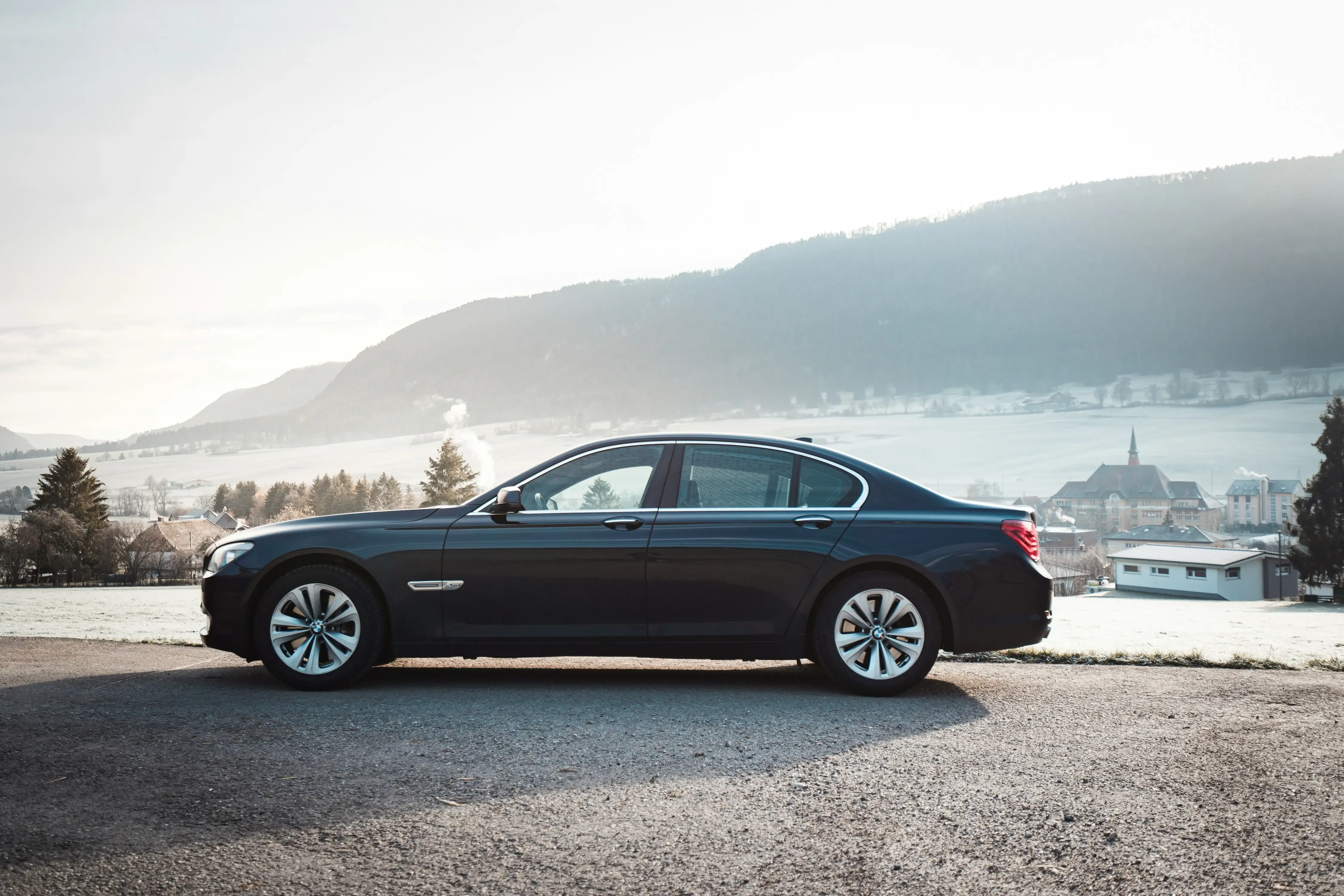
Switzerland on a Practical Note
Currency: Swiss franc (CHF). Switzerland is not in the EU and does not use the euro. Many tourist businesses in border areas and major cities accept euros at a rate typically 5–10% less favorable than the market rate. ATMs are abundant and reliable. Card payment is near-universal in cities and resorts; smaller mountain restaurants and cable car kiosks occasionally require cash.
Costs: Switzerland is genuinely expensive by European standards. A coffee runs CHF 4–5, a restaurant main course CHF 25–45, a hotel room in a resort town in peak season CHF 250–600. The Swiss Travel Pass reduces transport costs significantly. Picnicking from supermarkets (Migros and Coop are excellent and well-priced by Swiss standards), eating lunch at mountain restaurants rather than dinner, and booking accommodation outside the top resort areas all help.
Tap water is excellent throughout the country, sourced from alpine springs and glacial lakes. The 1,200+ public drinking fountains in Zurich alone provide free water everywhere. This is free money; use it.
Languages: German in the north and center, French in the west, Italian in the south, Romansh in parts of Graubünden. English is spoken reliably throughout the tourist infrastructure, in hotels, and by most people under 50 in any region. The linguistic shift from German to French Switzerland is audible the moment you cross the Röstigraben (literally "rösti ditch") — the cultural-culinary border named after the potato dish that is considered quintessentially German-Swiss and absent from the French-speaking table.
Mobile data: Switzerland is not in the EU, which means EU roaming plans may not cover it or may charge additional rates. Check before you travel. Swiss SIM cards are available at airports and post offices. Most hotels, restaurants, and mountain facilities have reliable WiFi.
Altitude: At Jungfraujoch (3,454m), Matterhorn Glacier Paradise (3,883m), and similar high-altitude destinations, altitude effects — headaches, breathlessness, mild nausea — are possible especially for travelers arriving from sea level. Ascend slowly if possible, drink water, and allow time to acclimatize. Healthy adults typically have no serious issues; those with cardiovascular conditions should consult a doctor before high-altitude excursions.
Sunday: Most shops close on Sundays. Supermarkets in train stations stay open. Mountain restaurants and tourist infrastructure operate normally. Plan grocery shopping for Saturday or use station kiosks.

Switzerland has been overdone in photographs and underdone in person. The train arrives on time. The fondue is hot. The waterfall is exactly where the sign said it would be. None of that prepares you for what 4,000 meters of vertical Alpine rock actually looks like from the base.
Explore Switzerland Guides


Landing in Zurich? Your Ride Is Ready
Pre-book your private driver, skip the taxi line, and get to your hotel with a fixed price and no surprises.
Book nowExplore All Guides
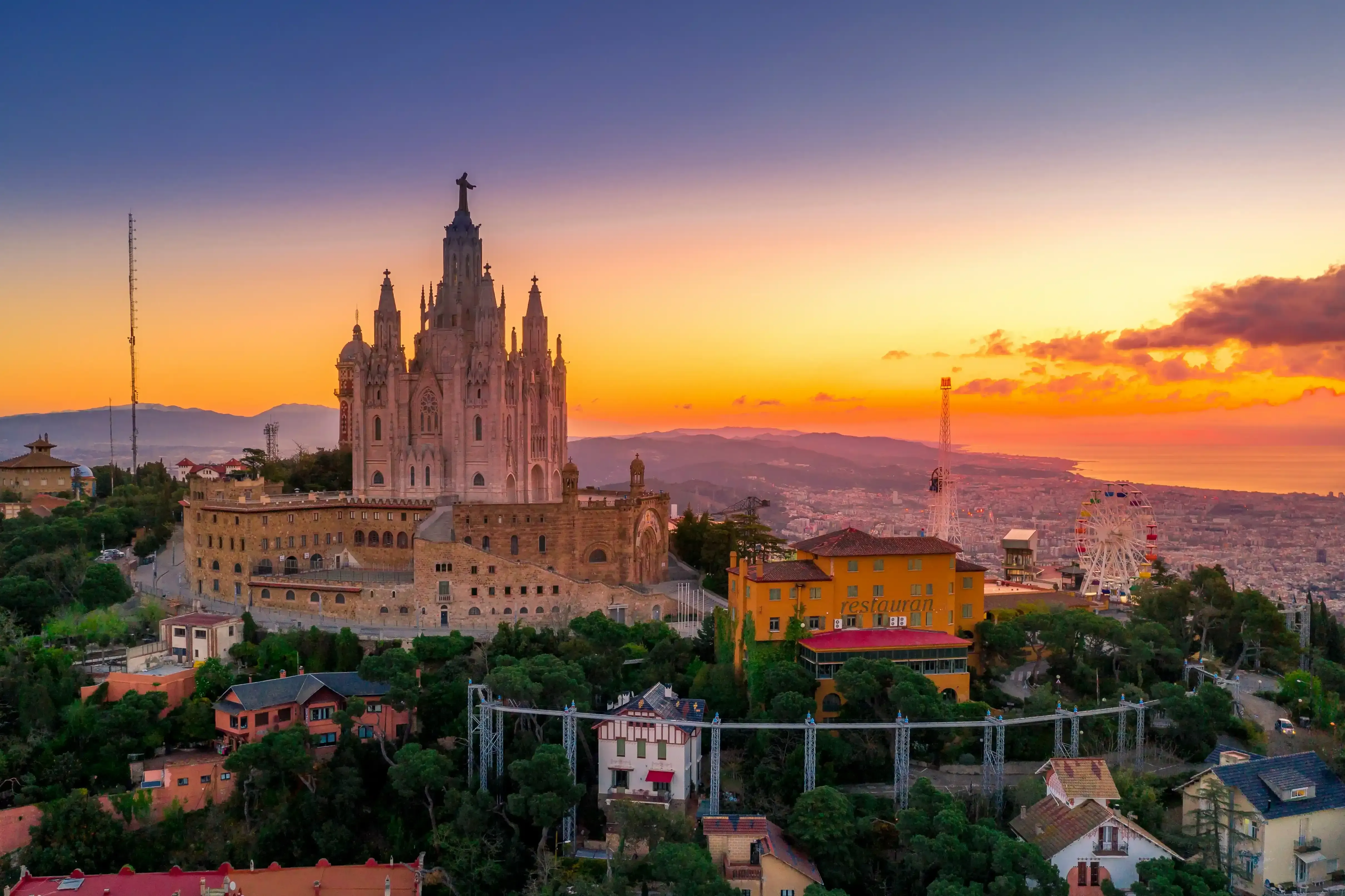
Barcelona Neighborhoods Guide: Where to Stay & What to Expect in Each Barrio

Discover Paris: A Guide to Iconic Landmarks, Historic Cafés & Legendary Stores

Osaka Travel Guide: Top Things to Do & Food Spots

First-Timer's Japan Handbook: 10 Essential Travel Tips + Etiquette FAQ

Rome in a Day & 3 Days in Rome: The Ultimate Itineraries for Every Traveler

Barcelona Airport to Gothic Quarter: Fastest Transfer Options, Prices & Travel Tips

Ultimate Japan Itineraries: Discover the Best of Japan in 7 or 14 Days

More than the Eiffel Tower: Best Things to Do In Paris

Best hotels in Albania: Tirana, Saranda, Vlorë & Durres

Rome: La Dolce Vita in Every Corner — travel guide by Olivia (@doinglifewithliv)

Barcelona Airport to Sagrada Família: Best Transfer Options, Prices & Travel Times

Paris Food Guide: Eiffel Tower View Restaurants & Rooftop Dining

18 Things You Need to Know Before Visiting Croatia

10 Unforgettable Day Trips from Rome, Italy: Ancient Towns, Best Beaches & Countryside Escapes
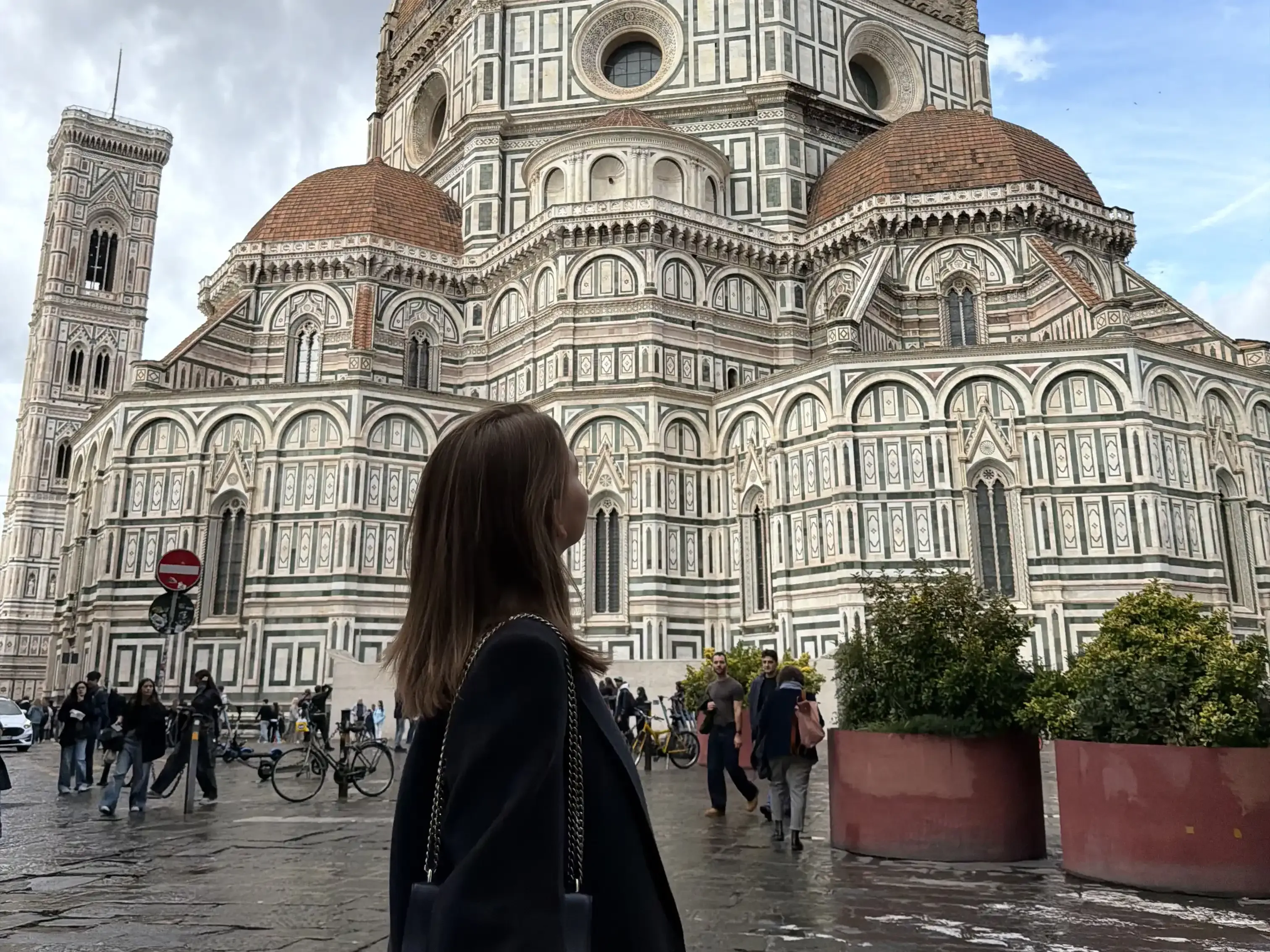
A Taste of Florence: Your Complete Food Guide

Best Day Trips from Milan with a Private Driver: Lake Como, Verona & Beyond

10 Best Holiday Alternatives to the Middle East for Spring 2026

Best Things to Do Around the Colosseum: Rome Attractions, Tours & Insider Tips

Barcelona vs Madrid: Which City Is Better to Visit in Spain?

Barcelona: Hidden Bites, Secret Sips & Sunshine Tips by Nancy Sevilla

Best eSIM for Japan 2026

Budapest Travel Tips: Beyond the Obvious

Best Hotels in Rome for Every Budget: Luxury, Boutique & Budget Stays

Cinque Terre Travel Guide: Best Villages & Trails

Best Wine Tours from Milan: Franciacorta, Valpolicella & Chauffeur Hire
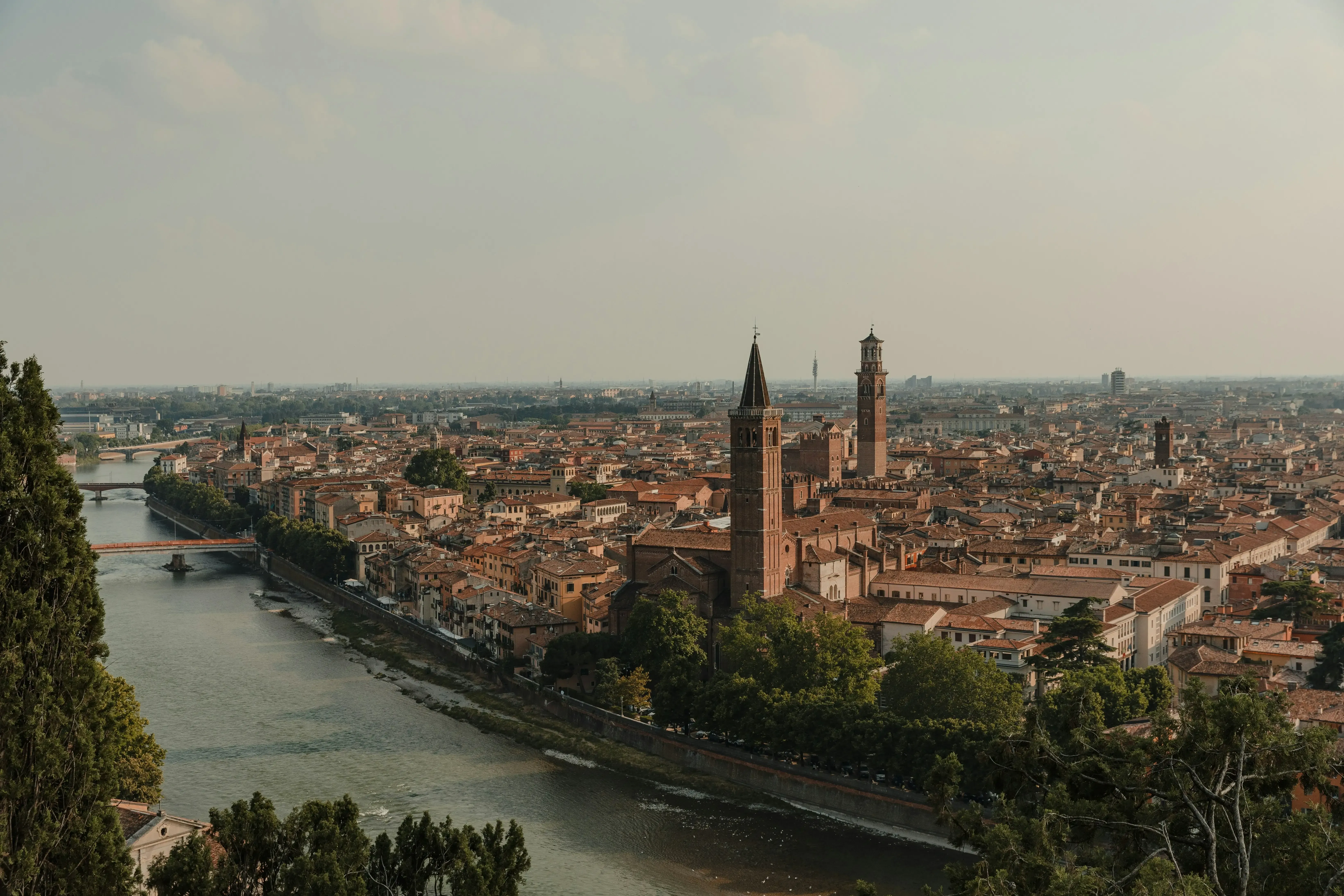
Milan to Verona Day Trip with a Chauffeur

South Korea Travel Guide: Best Cultural, Beauty & Wellness Experiences in Seoul, Busan & Jeonju

Best Things to Do in Singapore: Food, Views & Hidden Gems

Free eSIM Trial: Where to Get Free Data

Hoi An Travel Guide: Hidden Gems, Spas & Local Experiences

Santorini Travel Guide: Sunsets, Cruises & Wine

3 Days in Northern Spain: Bilbao, the Cantabrian Coast & Santander

Best eSim for Europe: One Card for 30+ Countries

Best eSim for Mexico: Stay Connected on Your Trip

How to Get from Lisbon to Porto (2026): Train, Bus, Car, or Flight?

How to Get from London to Madeira: Complete Guide (2026)

How to Get from Beauvais Airport to Paris

Paris on a Budget: Affordable Hotels, Shopping & Free Things to Do

Top 12 Things to Do in Albania: Ultimate Travel Guide

Where to Stay in the Albanian Riviera: Best Hotels & Areas
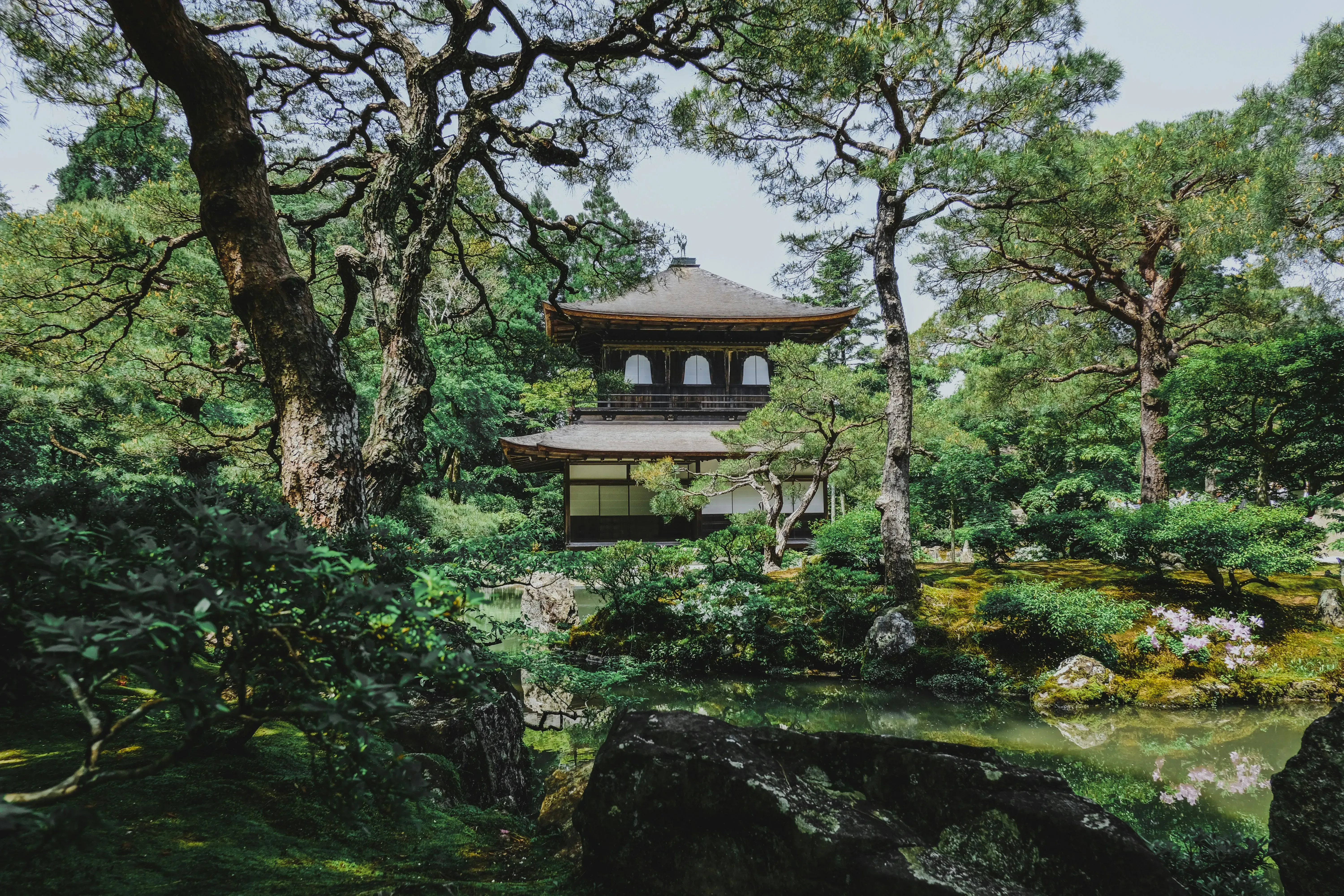
Kyoto Travel Guide: Journey to the Heart of Old Japan

The Ultimate Hanoi Travel Guide: Local Tips, Street Food & Hidden Gems in Vietnam’s Capital

Private Chauffeur Service for Day Trips & Sightseeing in Switzerland
Your own driver, by the hour. No fixed routes. No surprises. Just a professional driver at your disposal - from 3 hours to multiple days.
Book a chauffeur