'%3e%3cpath%20d='M43.073%200.00649261H15.0943V3.94346H43.073V0.00649261Z'%20fill='url(%23kiwitaxi-grad)'%20/%3e%3cpath%20d='M15.0828%203.94346C16.1928%203.94346%2017.0512%203.06513%2017.0512%201.97497C17.0512%200.874164%2016.1822%200.00649261%2015.0828%200.00649261C14.0362%200.00649261%2013.1379%200.851916%2013.1379%201.97497C13.1379%203.10916%2014.0478%203.94346%2015.0828%203.94346Z'%20fill='white'%20/%3e%3cpath%20d='M43.0614%203.94346C44.1715%203.94346%2045.0299%203.06513%2045.0299%201.97497C45.0299%200.874164%2044.1609%200.00649261%2043.0614%200.00649261C42.0149%200.00649261%2041.1166%200.851916%2041.1166%201.97497C41.1166%203.10916%2042.0265%203.94346%2043.0614%203.94346Z'%20fill='white'%20/%3e%3cpath%20d='M19.5921%2038.5052V39.828H23.1471V26.0491H19.5921V27.3446C18.895%2026.5789%2017.4549%2025.8841%2015.7339%2025.8841C11.8502%2025.8841%208.78975%2028.7578%208.78975%2032.939C8.78975%2037.1374%2011.8702%2039.9935%2015.7339%2039.9935C17.4938%2039.9935%2018.932%2039.2691%2019.5921%2038.5052ZM12.2892%2032.939C12.2892%2030.5715%2013.929%2029.1912%2015.9819%2029.1912C18.0106%2029.1912%2019.5647%2030.5845%2019.5647%2032.939C19.5647%2035.2579%2017.9768%2036.6869%2015.9823%2036.6869C13.9596%2036.6869%2012.2892%2035.264%2012.2892%2032.939Z'%20fill='white'%20/%3e%3cpath%20d='M44.7174%2026.0496H41.4289V39.8281H44.7174V26.0496Z'%20fill='white'%20/%3e%3cpath%20d='M32.2183%2035.7001L29.3455%2039.8281H24.94L30.044%2032.8552L25.1624%2026.0496H29.7075L32.3295%2029.8985L35.035%2026.0496H39.4405L34.5599%2032.7435L39.6361%2039.8281H35.1189L32.2183%2035.7001Z'%20fill='white'%20/%3e%3cpath%20d='M3.34504%2022.9604V26.0496H7.4039V29.0939H3.34504V34.2781C3.34504%2035.9866%204.33971%2036.7008%205.955%2036.7008C6.54504%2036.7008%207.16659%2036.5766%207.63241%2036.235V39.4341C7.04237%2039.7757%206.14133%2039.9931%204.89915%2039.9931C1.8243%2039.9931%200.0226746%2038.1293%200.0226746%2034.9298V22.96H3.34504Z'%20fill='white'%20/%3e%3cpath%20d='M36.2094%208.57428L33.307%2016.8723L30.43%208.57428H27.7621L24.8597%2016.8723L21.9828%208.57428H18.4884L23.2157%2021.4188H26.5037L29.084%2014.4093L31.6629%2021.4188H34.951L39.6782%208.57428H36.2094Z'%20fill='white'%20/%3e%3cpath%20d='M44.7174%208.57381H41.4289V21.4188H44.7174V8.57381Z'%20fill='white'%20/%3e%3cpath%20d='M16.7387%208.57381H13.4502V21.4188H16.7387V8.57381Z'%20fill='white'%20/%3e%3cpath%20d='M11.7001%208.57382L6.07922%2014.1326L12.1622%2021.4188H8.05929L3.92163%2016.28L3.3455%2016.8538V21.4188H0.0226746V3.94299H3.3455V12.7574L7.59764%208.57382H11.7001Z'%20fill='white'%20/%3e%3c/g%3e%3cdefs%3e%3clinearGradient%20id='kiwitaxi-grad'%20x1='15.0945'%20y1='1.97497'%20x2='43.073'%20y2='1.97497'%20gradientUnits='userSpaceOnUse'%3e%3cstop%20stop-color='%2300D2CD'%20stop-opacity='0'%20/%3e%3cstop%20offset='1'%20stop-color='%2300D2CD'%20/%3e%3c/linearGradient%3e%3cclipPath%20id='kiwitaxi-clip'%3e%3crect%20width='46'%20height='40'%20fill='white'%20/%3e%3c/clipPath%3e%3c/defs%3e%3c/svg%3e)


Dive In: Paris Through Its Landmarks
Paris is undeniably one of the most celebrated cities across the globe, and its reputation is well earned. The city is a mesmerizing blend of rich history, artistic brilliance, stunning architecture, and an atmosphere that exudes romance. Whether you are visiting for the very first time or returning to explore its timeless beauty, Paris promises an experience unlike any other. Its top attractions extend far beyond the typical tourist spots, often blending harmoniously into the city’s distinctive neighborhoods, magnificent structures, and thriving culture.
From the famous Eiffel Tower to the hidden treasures scattered throughout the city, Paris offers something special for everyone to discover. If you want to navigate the heart of the city like a local, our Central Paris: The Ultimate Guide will take you through the most charming arrondissements, from the elegant boulevards of the 1st to the artistic corners of the Latin Quarter. And for a curated list of can’t-miss spots, unique experiences, and insider tips, explore Paris: Best Things To Do — perfect for both first-time visitors and seasoned travelers.
This guide serves as your gateway to the most notable Parisian attractions, diving deep into the city’s famous monuments and top activities. If you’re eager to visit iconic landmarks, explore famous buildings, or uncover some of the hidden gems that define the City of Light, this article will assist in planning your perfect Parisian getaway. Let’s journey through Paris, exploring its beauty through its legendary landmarks.
The Eiffel Tower: The Ultimate Parisian Landmark
Standing tall at 324 meters, the Eiffel Tower is perhaps the most iconic symbol of Paris and remains a must-see sight for every visitor. Though initially met with criticism when it was constructed for the 1889 World’s Fair, it has since become a beloved structure known worldwide. No trip to Paris is truly complete without experiencing the Eiffel Tower. Its observation platforms provide stunning views of the city, perfectly capturing the essence of Paris Views and Landmarks. Choose the elevator for a smooth ride, or for a more adventurous experience, ascend the stairs to the second floor. From the top, enjoy sweeping views of landmarks like the Louvre, Notre-Dame Cathedral, and the serene Seine River.
As night falls, the tower lights up in a dazzling display, offering a perfect spot for a romantic evening. Whether you’re in it for the view or to check off this iconic structure from your list, the Eiffel Tower remains a must-see Paris attraction. And to make your experience even smoother, consider a Kiwitaxi transfer for a comfortable ride to and from this iconic landmark.
Notre-Dame Cathedral: A Masterpiece of Gothic Architecture Notre-Dame Cathedral is one of Paris’s most well-known monuments and is celebrated worldwide for its breathtaking Gothic architecture. Built in the 12th century, it remains one of the city’s most treasured historical landmarks.
Why It’s a Must-See:
Despite suffering damage in the 2019 fire, the Notre-Dame continues to captivate millions of visitors. The cathedral’s tall spires, intricate stained-glass windows, and the famous rose window highlight its architectural splendor. Inside, you’ll find the relic of the crown of thorns, adding to its historical and religious significance. Don’t forget to wander around the Île de la Cité, the island where the cathedral is situated, to explore Paris’s rich past, even if the interior is closed for restoration. After extensive restoration, the cathedral now stands as a beacon of Paris’s resilience and timeless beauty.
The Louvre Museum: A Treasure Chest of Art and History
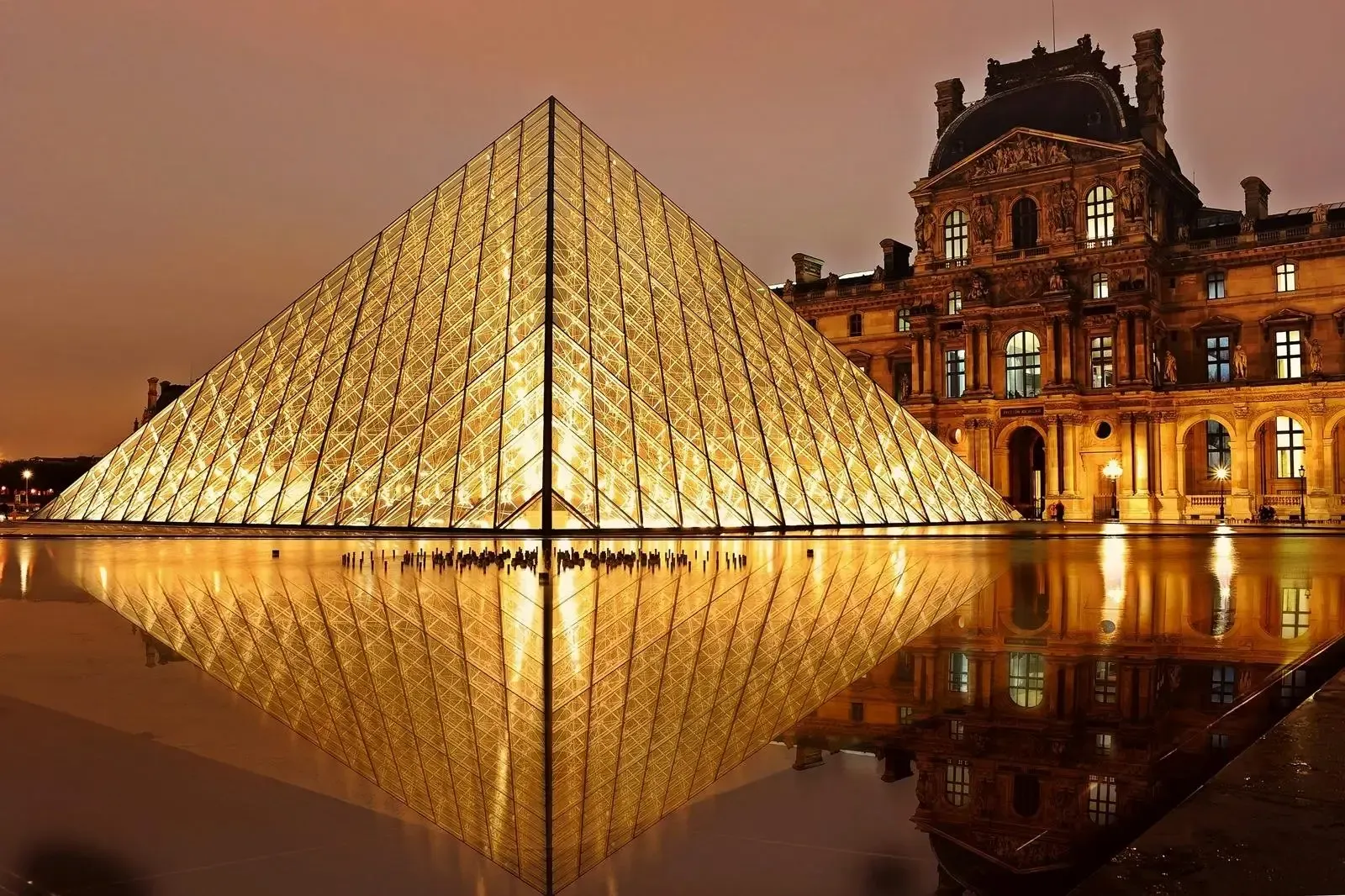
A visit to Paris wouldn’t be complete without stepping into the Louvre, one of the largest and most renowned museums in the world. Home to thousands of iconic works of art, including the famous Mona Lisa, the Louvre is a major highlight of any trip. The Louvre offers an extensive collection that spans ancient civilizations to contemporary works, making it one of the Essential Sights in Paris. Whether you’re drawn to Greek sculptures, Renaissance masterpieces, or Egyptian antiquities, the museum has something for everyone. Highlights include works by Leonardo da Vinci, Michelangelo, and Raphael. For an enriched experience, consider booking a guided tour to bypass long queues and gain deeper insights into the art and history behind the collections. The Louvre’s glass pyramid entrance is a modern contrast to the classical French architecture, making it a perfect blend of old and new.
Sacré-Cœur Basilica: Montmartre’s Majestic Hilltop Sanctuary
The Sacré-Cœur Basilica, located at the highest point in Paris, offers panoramic views of the city. Its white-domed architecture is a stunning sight, making it one of the most iconic landmarks in Paris. A visit to Sacré-Cœur is about more than just the basilica itself—it’s also an opportunity to explore the artistic district of Montmartre, one of the most iconic Parisian Romantic Sights. Known for its bohemian vibe and as a home for famous artists like Picasso and Van Gogh, Montmartre is a district rich in history and charm. For those in search of romantic spots in Paris, Sacré-Cœur and Montmartre provide the perfect blend of beauty, history, and artistic spirit. To make your trip even easier, opt for a Kiwitaxi transfer, allowing you to enjoy the beauty of Paris without the hassle of public transportation.
The Arc de Triomphe: A Monument to France’s Military History
The Arc de Triomphe, located at the top of the Champs-Élysées, was commissioned by Napoleon to celebrate his military victories. It stands as a tribute to those who fought for France throughout its history. This monumental arch is adorned with grand sculptures and detailed reliefs, telling the story of France’s military triumphs, making it one of the Key Parisian Landmarks. You can climb to the top to enjoy breathtaking views of Paris, with the Champs-Élysées stretching out below and the Eiffel Tower visible in the distance. It’s a prime location for anyone interested in learning about French military history.
The Musée d’Orsay: A Celebration of French Art
The Musée d’Orsay, housed in a former railway station along the Seine River, is home to one of the world’s finest collections of Impressionist and Post-Impressionist art. It is a must-visit for art lovers. The museum boasts works by legendary artists such as Monet, Degas, and Van Gogh, securing its place among the Top Parisian Attractions. It offers a more intimate experience compared to the Louvre and is less crowded, making it an ideal spot for those wishing to explore the world of French art without the bustle of larger crowds.
The Seine River: A Scenic View of Paris
The Seine River winds through the heart of Paris, providing a unique perspective of the city and earning its place among the Best Things to Do in Paris. Whether you’re cruising along its waters, strolling on its banks, or enjoying a view from one of the many landmarks, the Seine offers an unmatched experience of Paris. Taking a Seine river cruise allows you to see Paris’s most famous sights, including the Eiffel Tower, Notre-Dame Cathedral, and the Louvre, all from the water. It’s the perfect way to experience the city in a relaxed, scenic manner.
Montmartre: The Artistic Soul of Paris
Montmartre is a neighborhood that has long been associated with artists, poets, and creative minds. Known for its picturesque streets and vibrant atmosphere, it remains one of the most charming places in Paris. Wander through cobbled streets, visit the Place du Tertre where local artists showcase their work, and relax at one of the many cafés in the area. Montmartre is the heart of Parisian creativity, offering a unique atmosphere that has inspired artists for generations.
The Luxembourg Gardens: A Tranquil Retreat
The Luxembourg Gardens offer a peaceful escape from the busy streets of Paris and are undoubtedly one of the top Parisian landmarks. Located in the 6th arrondissement, these lush gardens provide an idyllic setting for relaxation and leisurely walks. The gardens are home to manicured lawns, fountains, statues, and tree-lined paths, making it one of the most serene places in Paris. It’s the perfect spot for a quiet stroll or a romantic picnic away from the city’s tourist hotspots.
Le Marais: The Historic District of Paris
Le Marais is one of Paris’s oldest and most historic neighborhoods. Rich in culture, history, and charm, it offers a unique blend of old-world Parisian landmarks and modern art galleries.
The district is known for its cobblestone streets, historic buildings, and boutique shops. It’s an area where you can experience the authentic Parisian lifestyle, with hidden courtyards, quaint cafés, and vibrant art galleries. Le Marais offers a glimpse of Paris that blends tradition with contemporary creativity.
Where Parisian Charm Meets History and Style
Paris is not only home to some of the world’s most iconic landmarks, but it also boasts a dynamic history, culture, and culinary heritage. The city’s history comes alive in its iconic attractions, lively neighborhoods, and fascinating landmarks. Whether you’re standing at the base of the Eiffel Tower, admiring the art at the Louvre, or wandering through the charming streets of Montmartre, every moment in Paris is a discovery of something beautiful. From history-filled museums to charming cafés and bustling markets, Paris provides an endless array of experiences that connect visitors to the city’s rich past. So, the next time you explore Paris, be sure to experience both its famous landmarks and hidden gems. And for a smooth journey through the city, book a Kiwitaxi transfer to ensure comfort, ease, and a hassle-free experience.

Where the Magic of Food and Culture Meet
5 Legendary Parisian Restaurants Mentioned in Great Literary Works
Paris has long been a muse for writers, poets, and artists, with its vibrant culture and rich culinary history serving as the backdrop for many great works. These celebrated cafés and restaurants have gained immortality in the world of literature, becoming symbols of the city’s intellectual and artistic life. Below are five legendary establishments that have earned their place in Parisian literary history:
Le Procope – The Oldest Café in Paris
Famous For: Being the oldest café in Paris and a hub for writers, revolutionaries, and intellectuals. Le Procope, established in 1686, holds the title of the oldest café in Paris and remains an iconic destination. Located in the Latin Quarter, it has long been a gathering place for thinkers and philosophers like Voltaire, Rousseau, and Balzac. In Literature: Featured in works such as Balzac’s Lost Illusions, Le Procope represents a hotspot for lively conversation and political discussion. It has also been frequented by intellectuals such as Jean-Paul Sartre and Diderot, making it a symbol of the French Enlightenment and a must-visit for anyone interested in Parisian history.
Café de Flore – The Heart of Existentialism
Famous For: Being the meeting point of existentialist philosophers, artists, and writers in the 20th century. Café de Flore, located in the Saint-Germain-des-Prés neighborhood, has been an essential gathering spot for the intellectuals and artists of the 20th century, including figures like Jean-Paul Sartre, Simone de Beauvoir, and André Gide. In Literature: Sartre and de Beauvoir famously spent hours discussing philosophy and literature here, and the café is mentioned in many works exploring existential themes. The café’s enduring legacy in Parisian intellectual life has earned it a spot in literary history, as a symbol of 20th-century thought.
Les Deux Magots – A Literary Landmark
Famous For: Its long-standing association with Paris’s literary elite, including Hemingway and Sartre. Opened in 1885, Les Deux Magots is another Saint-Germain-des-Prés café that played a significant role in the Parisian intellectual scene. Alongside Café de Flore, it became the gathering place for writers like Ernest Hemingway, Simone de Beauvoir, and Albert Camus. In Literature: Hemingway mentions Les Deux Magots in A Moveable Feast, describing it as a place for aspiring writers to meet and exchange ideas. The café helped foster the literary revolution of the 1920s and beyond, becoming an iconic meeting place for the writers and thinkers of the Lost Generation.
La Closerie des Lilas – A Sanctuary for Writers
Famous For: A haven for writers and artists, including Hemingway, Fitzgerald, and Miller. Located near the Luxembourg Gardens, La Closerie des Lilas has been an inspiring location for many writers, artists, and musicians since its opening in 1847. Famous literary figures like Ernest Hemingway, F. Scott Fitzgerald, and Henry Miller found inspiration in its welcoming ambiance. In Literature: Hemingway notably writes about La Closerie des Lilas in his memoir A Moveable Feast, recalling it as a sanctuary where struggling writers could find solace. It is also mentioned in Fitzgerald’s works, representing the struggles and aspirations of the Lost Generation.
Le Dôme Café – A Landmark for Artists and Intellectuals
Famous For: Its long-standing role as a meeting place for intellectuals, artists, and writers in Paris. Le Dôme Café, located in the Montparnasse area, became a popular spot for artists, writers, and intellectuals throughout the 20th century. The café witnessed many literary and artistic discussions, providing a space for creativity to flourish. In Literature: Mentioned in Gertrude Stein’s memoirs and in Hemingway’s works, Le Dôme was a favored meeting spot for the expatriates of the 1920s, including Picasso and Matisse. Its rich history as a center for Paris’s artistic community made it a key influence on the cultural development of the time.
The Impact of Parisian Restaurants on Literature
Parisian cafés and restaurants have been essential not just for their culinary contributions but for their lasting impact on literature. These iconic spots have been central to the exchange of ideas, philosophical discussions, and creative inspiration for generations. Visiting these historic establishments today is a chance to walk in the footsteps of the great minds who once gathered here, creating the intellectual heartbeat of the city. For anyone eager to experience the legacy of these cultural landmarks, sipping a coffee or enjoying a meal at these iconic locations offers a unique blend of history, artistry, and atmosphere. The stories of Parisian cafés and restaurants are as much a part of the city’s charm as the architectural landmarks they surround, providing a deeper connection to the essence of Parisian life, both past and present. From the intellectual salons of Le Procope to the existentialist haunts of Les Deux Magots, Paris has long served as a hub for literature, art, and philosophy. These cafés and restaurants continue to shape the city’s cultural landscape, influencing some of the greatest minds in history. The next time you’re in Paris, step into one of these historic spots, enjoy a coffee, and imagine the lively conversations that once took place there. Who knows? You might just find the inspiration for your own masterpiece.

Discover Paris Through Its Legendary Stores: Shopping with a Side of History
Paris is not only a city of breathtaking landmarks, charming neighborhoods, and artistic heritage, but it also offers a shopping experience that is woven deeply into its cultural fabric. The city’s famous stores are more than just retail spaces—they are historic landmarks that reflect the style, creativity, and elegance Paris is known for. These legendary stores stand as symbols of the city’s luxury, fashion, and craftsmanship, each one offering a unique journey into the heart of Paris’s rich history. Let’s dive into the fascinating world of Paris’s most iconic and historic shopping destinations that have been shaping the city’s retail culture for generations.
Let’s dive in! Most iconic and historic shopping destinations
1. Galeries Lafayette – The Icon of Parisian Luxury
Famous For: Its grand architecture and vast collection of high-end fashion and lifestyle items.
Historical Significance: Galeries Lafayette, established in 1893, is one of the most famous department stores in Paris. Located on Boulevard Haussmann, it is known for its stunning Art Nouveau architecture, including its glass dome, which remains one of the most celebrated architectural features in Paris.
In History: Galeries Lafayette was a revolutionary concept in retail, becoming one of the first department stores to offer fixed prices and a wide selection of goods under one roof. Over time, it became a symbol of luxury and elegance in Paris, attracting the city’s elite. Its architecture continues to inspire and draws admiration from all who visit. As one of Paris’s most beloved landmarks, it represents the city’s chic shopping culture.
2. Le Bon Marché – The World’s First Department Store
Famous For: The world’s first true department store and its dedication to luxury.
Historical Significance: Founded in 1838, Le Bon Marché is often credited with being the first modern department store. Located in the 7th arrondissement, it was revolutionary for its time, offering a wide range of products—from food to fashion—all under one roof.
In History: Le Bon Marché transformed shopping in Paris by introducing the concept of a large, all-encompassing store. The store was particularly popular with Paris’s high society and continues to uphold its reputation for luxury. Its influence on the development of department stores worldwide is undeniable, and it remains an essential part of the Parisian retail landscape. In literature, it is often portrayed as a symbol of Parisian sophistication and modernity.
3. Maison de la Photographie – A Gallery of Parisian Visual History
Famous For: Its remarkable collection of photographs and its dedication to preserving the art of photography.
Historical Significance: Established in 1996, Maison de la Photographie is a treasure trove of photographic works, from iconic Parisian imagery to contemporary photography. It’s located in the Marais district, one of the city’s most vibrant cultural neighborhoods.
In History: The gallery showcases exhibitions from world-renowned photographers like Henri Cartier-Bresson and Robert Doisneau, whose images of Paris are some of the most iconic visual representations of the city. Maison de la Photographie offers an in-depth look at Paris through the lens of these great artists, providing visitors a chance to experience the city’s visual history in an intimate and unique setting.
4. Marché aux Puces de Saint-Ouen – A Vintage Paradise
Famous For: A sprawling market filled with antiques, vintage goods, and eclectic treasures.
Historical Significance: Founded in 1885, the Marché aux Puces de Saint-Ouen is one of the largest and oldest flea markets in the world. Located just outside the city in the Saint-Ouen district, the market is renowned for its vast selection of antiques and collectibles.
In History: The market has attracted artists, collectors, and antique lovers from around the globe. Famous figures like Pablo Picasso would often visit the market, searching for inspiration and rare finds. Today, it remains a hub for anyone seeking vintage goods, offering a unique glimpse into Paris’s cultural and artistic past. The market’s bohemian atmosphere and historical importance make it a must-see for visitors who want to experience a different side of Paris.
5. Au Printemps – A Parisian Fashion Institution
Famous For: Its luxurious selection of fashion, accessories, and home goods, coupled with stunning panoramic views of Paris.
Historical Significance: Founded in 1865, Au Printemps is a monumental Parisian department store that continues to embody luxury shopping. Located on Boulevard Haussmann, the store has been an integral part of Parisian retail history for over a century.
In History: Au Printemps played a crucial role in shaping the city’s modern shopping culture. It was one of the first to introduce the concept of seasonal sales, forever changing consumer shopping habits. Over the years, it has catered to royalty, artists, and fashionistas, offering the finest in fashion and luxury goods. Its rooftop terrace provides stunning views of Paris, making it a perfect spot to take in the city’s beauty while indulging in Parisian elegance.
Paris’s Legendary Stores as Landmarks of History
The stores and markets of Paris are more than just retail spaces—they are living, breathing pieces of the city’s history. These iconic locations have been witnesses to Paris’s transformation over centuries, each offering a glimpse into the cultural, artistic, and social history of the city. Whether it’s the luxury of Galeries Lafayette, the pioneering spirit of Le Bon Marché, the timeless artistry at Maison de la Photographie, the vintage treasures of Marché aux Puces de Saint-Ouen, or the refined elegance of Au Printemps, each store is a window into a different facet of Parisian life. These legendary locations are far from ordinary shopping destinations—they are integral to the story of Paris. They have shaped the city’s culture, influenced its fashion, and provided inspiration to artists and writers throughout history.

Conclusion: Embrace the Parisian Legacy
Paris is a city filled with treasures—historic landmarks, world-class museums, and cultural experiences that continue to inspire. Its stores are no different, offering visitors the chance to explore not just luxury goods, but also the city’s enduring charm and legacy. Whether you’re shopping for Parisian fashion or enjoying the beauty of its timeless architecture, these legendary stores are as much a part of Paris’s identity as the Eiffel Tower or the Louvre.
When you visit Paris, be sure to include these iconic shopping destinations in your itinerary. They will not only offer you exclusive products and experiences but will also connect you to the rich history that has made Paris one of the most iconic cities in the world. And to make your trip even easier, consider booking a Kiwitaxi transfer to enjoy a comfortable and seamless journey through the city. With Kiwitaxi, you’ll focus on exploring the magic of Paris while leaving the transport details to us!

FAQ: Paris Landmarks, Shopping & Getting Around
What are the most iconic landmarks to visit in Paris? The non-negotiables are the Eiffel Tower, the Louvre, Notre-Dame Cathedral, and the Arc de Triomphe — but Paris rewards wandering beyond the obvious. Sacré-Cœur and Montmartre, the Musée d'Orsay, the Luxembourg Gardens, and Le Marais each offer something the big-four landmarks don't: a sense of the city as a place people actually live in, rather than a backdrop for photographs.
Do I need to book Paris attractions in advance? For the Eiffel Tower and the Louvre, advance booking is essential — not just recommended. Both have timed entry systems, and popular slots sell out days or weeks ahead during summer and school holidays. Notre-Dame, the Arc de Triomphe, and the Musée d'Orsay also benefit from pre-booked tickets to avoid queuing. The Luxembourg Gardens and Montmartre require nothing — you simply show up.
What is the best time to visit Paris? April through June and September through October are the sweet spots — mild temperatures, manageable crowds, and the city at its most photogenic. July and August bring peak tourist season: long queues, higher prices, and a Paris that's partly running on autopilot for visitors. January and February are the quietest months, with lower hotel rates and almost no queues at museums, though some days are genuinely cold. Paris in December has excellent Christmas markets and a magic that justifies the crowds.
Is the Eiffel Tower free to visit? The grounds around the tower are free to walk through at any time. Going up costs between €11.80 (stairs to the second floor) and €31.40 (elevator to the summit) for adults, with reduced rates for children and young people. The famous light show — 20,000 bulbs sparkling for five minutes on the hour after dark — is visible from the Trocadéro gardens for free. Book tickets online well in advance; the on-site queues for same-day entry are long and unpredictable.
Is Notre-Dame Cathedral open to visitors after the 2019 fire? Notre-Dame reopened to the public in December 2024 following five years of restoration — one of the most remarkable architectural rescue operations in modern history. Entry is free, though timed entry tickets are required and must be booked in advance on the official Notre-Dame website. Even if access were limited, the exterior of the cathedral and the surrounding Île de la Cité are worth an extended visit in their own right.
How much time do you need at the Louvre? You could spend three days in the Louvre and still not see everything. For a first visit, three to four hours is a realistic minimum if you want to cover the highlights — the Mona Lisa, the Venus de Milo, Winged Victory, and a selection of the Egyptian and Greek antiquities collections. The queues at the Mona Lisa are significant; go first thing in the morning or arrive late in the afternoon. A pre-booked skip-the-line guided tour is worth the premium on a tight schedule.
What is the best neighborhood to stay in Paris? It depends entirely on what you're there for. The Marais (3rd and 4th arrondissements) is central, walkable to most major sites, and genuinely interesting to spend time in. Saint-Germain-des-Prés (6th) is quieter, literary, and expensive. Montmartre (18th) has atmosphere but requires a journey to reach most landmarks. The 1st and 2nd arrondissements put you closest to the Louvre and Les Halles. For first-time visitors, anywhere between the 1st and the 7th keeps everything within reasonable distance.
What are the best literary cafés to visit in Paris? The three names that appear in every serious account of Parisian literary history are Café de Flore, Les Deux Magots, and La Closerie des Lilas — all immortalized in Hemingway's A Moveable Feast. Le Procope in the Latin Quarter is the oldest café in Paris, open since 1686. Le Dôme in Montparnasse was the haunt of the expatriate writers and artists of the 1920s. All five are still operating. Expect to pay Parisian café prices — the history comes included.
Which Paris department store is worth visiting? Galeries Lafayette on Boulevard Haussmann is the most architecturally spectacular — the Belle Époque glass dome alone is worth the visit, and the rooftop terrace offers one of the best free views in the city. Le Bon Marché in the 7th is smaller, calmer, and genuinely more pleasurable to shop in. Au Printemps, next door to Galeries Lafayette, has a strong beauty and fashion selection and its own rooftop terrace. All three are worth at least a browse regardless of budget — they're landmarks, not just shops.
How do I get around Paris efficiently? The Paris Métro is excellent — 16 lines, frequent service, and a network dense enough that you're rarely more than a 10-minute walk from a station anywhere in central Paris. Buy a carnet of 10 tickets or a Navigo Easy card loaded with single tickets for the best per-ride rate. For unlimited travel over multiple days, the Navigo Découverte weekly pass is exceptional value. Vélib' (Paris's bike-share scheme) is a great option for short hops between neighborhoods. For longer distances or arrivals with luggage, a Kiwitaxi private transfer removes the guesswork entirely.
Is Paris safe for tourists? Paris is a safe city by international standards, but petty theft — pickpocketing and bag-snatching — is common at tourist hotspots: the Eiffel Tower, Montmartre, the metro, and around Notre-Dame. Keep valuables in front pockets or a secure bag, be aware of groups creating distractions, and ignore anyone offering you a "gold ring" or asking you to sign a petition. The tourist police line (3117) is English-speaking and available across the network.
What is the best way to get from Paris airports to the city center? From Charles de Gaulle (CDG): the RER B train takes 35–45 minutes to central Paris stations (Gare du Nord, Châtelet–Les Halles) and costs around €11.80. A private transfer takes 40–60 minutes depending on traffic and eliminates any transfer stress — particularly valuable with heavy luggage or late-night arrivals. From Orly (ORY): the Orlyval shuttle + RER B combination takes about 35 minutes; the Orlybus to Denfert-Rochereau is slower but cheaper. Taxis from CDG operate on zone-based fixed fares (€56 to the Right Bank, €65 to the Left Bank). Uber and Bolt both operate from both airports.
Is Paris expensive? Paris sits in the upper tier of European cities for cost. A sit-down lunch in a mid-range restaurant runs €15–25 per person; dinner at a proper bistro €30–50. Coffee at a café table costs €3–5. Museum entry is free for EU residents under 26 and on the first Sunday of every month for all visitors at national museums. Budget travelers who eat at boulangeries, picnic by the Seine, and use the Navigo weekly pass can manage on €80–100/day including accommodation. There is genuinely no upper limit.
What should I know before visiting Paris for the first time? A few things most guides don't emphasize enough: the Paris Métro requires you to validate your ticket at the barrier on entry every single time — inspectors check inside the carriages and fines are immediate. Many smaller restaurants don't take card payment — carry some cash. Tipping is not obligatory but rounding up or leaving €1–2 is appreciated at sit-down restaurants. Most Parisians will make a genuine effort if you open any interaction with Bonjour and Parlez-vous anglais? — starting in English without a greeting is the single most reliable way to get a frosty reception. And finally: the boulangeries are not overhyped. Eat the croissants.

Landing in Paris? We’ll Be Waiting
Private transfer from the airport to your hotel - no stress, no hidden fees. Skip crowded taxi lines and book in advance.
Book a transferBest Picks: Paris & Beyond

Central Paris, France: The Ultimate Local Guide to Hotels, Food & Hidden Gems
More than the Eiffel Tower: Best Things to Do In Paris

Top Attractions Near the Eiffel Tower You Shouldn’t Miss

How to Get from Beauvais Airport to Paris

How to Get from Beauvais Airport to Paris: Best Transport Options, Prices, Timetables & Pro Tips (2026 Guide)
Paris Travel Guide: Melissa’s Must-Do Experiences in the City of Light
Planning a Romantic Trip to Paris? Explore the best hotels, Airbnbs, and activities for couples

Paris Food Guide: Eiffel Tower View Restaurants & Rooftop Dining

How to Get from Paris to Disneyland (2026): Fastest, Cheapest & Easiest Ways (Times, Tickets, Tips)

Private Chauffeur Service for Day Trips & Sightseeing
Your own driver, by the hour. No fixed routes. No surprises. Just a professional driver at your disposal - from 3 hours to multiple days.
Book a chauffeur