'%3e%3cpath%20d='M43.073%200.00649261H15.0943V3.94346H43.073V0.00649261Z'%20fill='url(%23kiwitaxi-grad)'%20/%3e%3cpath%20d='M15.0828%203.94346C16.1928%203.94346%2017.0512%203.06513%2017.0512%201.97497C17.0512%200.874164%2016.1822%200.00649261%2015.0828%200.00649261C14.0362%200.00649261%2013.1379%200.851916%2013.1379%201.97497C13.1379%203.10916%2014.0478%203.94346%2015.0828%203.94346Z'%20fill='white'%20/%3e%3cpath%20d='M43.0614%203.94346C44.1715%203.94346%2045.0299%203.06513%2045.0299%201.97497C45.0299%200.874164%2044.1609%200.00649261%2043.0614%200.00649261C42.0149%200.00649261%2041.1166%200.851916%2041.1166%201.97497C41.1166%203.10916%2042.0265%203.94346%2043.0614%203.94346Z'%20fill='white'%20/%3e%3cpath%20d='M19.5921%2038.5052V39.828H23.1471V26.0491H19.5921V27.3446C18.895%2026.5789%2017.4549%2025.8841%2015.7339%2025.8841C11.8502%2025.8841%208.78975%2028.7578%208.78975%2032.939C8.78975%2037.1374%2011.8702%2039.9935%2015.7339%2039.9935C17.4938%2039.9935%2018.932%2039.2691%2019.5921%2038.5052ZM12.2892%2032.939C12.2892%2030.5715%2013.929%2029.1912%2015.9819%2029.1912C18.0106%2029.1912%2019.5647%2030.5845%2019.5647%2032.939C19.5647%2035.2579%2017.9768%2036.6869%2015.9823%2036.6869C13.9596%2036.6869%2012.2892%2035.264%2012.2892%2032.939Z'%20fill='white'%20/%3e%3cpath%20d='M44.7174%2026.0496H41.4289V39.8281H44.7174V26.0496Z'%20fill='white'%20/%3e%3cpath%20d='M32.2183%2035.7001L29.3455%2039.8281H24.94L30.044%2032.8552L25.1624%2026.0496H29.7075L32.3295%2029.8985L35.035%2026.0496H39.4405L34.5599%2032.7435L39.6361%2039.8281H35.1189L32.2183%2035.7001Z'%20fill='white'%20/%3e%3cpath%20d='M3.34504%2022.9604V26.0496H7.4039V29.0939H3.34504V34.2781C3.34504%2035.9866%204.33971%2036.7008%205.955%2036.7008C6.54504%2036.7008%207.16659%2036.5766%207.63241%2036.235V39.4341C7.04237%2039.7757%206.14133%2039.9931%204.89915%2039.9931C1.8243%2039.9931%200.0226746%2038.1293%200.0226746%2034.9298V22.96H3.34504Z'%20fill='white'%20/%3e%3cpath%20d='M36.2094%208.57428L33.307%2016.8723L30.43%208.57428H27.7621L24.8597%2016.8723L21.9828%208.57428H18.4884L23.2157%2021.4188H26.5037L29.084%2014.4093L31.6629%2021.4188H34.951L39.6782%208.57428H36.2094Z'%20fill='white'%20/%3e%3cpath%20d='M44.7174%208.57381H41.4289V21.4188H44.7174V8.57381Z'%20fill='white'%20/%3e%3cpath%20d='M16.7387%208.57381H13.4502V21.4188H16.7387V8.57381Z'%20fill='white'%20/%3e%3cpath%20d='M11.7001%208.57382L6.07922%2014.1326L12.1622%2021.4188H8.05929L3.92163%2016.28L3.3455%2016.8538V21.4188H0.0226746V3.94299H3.3455V12.7574L7.59764%208.57382H11.7001Z'%20fill='white'%20/%3e%3c/g%3e%3cdefs%3e%3clinearGradient%20id='kiwitaxi-grad'%20x1='15.0945'%20y1='1.97497'%20x2='43.073'%20y2='1.97497'%20gradientUnits='userSpaceOnUse'%3e%3cstop%20stop-color='%2300D2CD'%20stop-opacity='0'%20/%3e%3cstop%20offset='1'%20stop-color='%2300D2CD'%20/%3e%3c/linearGradient%3e%3cclipPath%20id='kiwitaxi-clip'%3e%3crect%20width='46'%20height='40'%20fill='white'%20/%3e%3c/clipPath%3e%3c/defs%3e%3c/svg%3e)

Here's the thing about South Korea that nobody tells you before you go: it's better than the K-dramas. Not because the dramas misrepresent it — they don't — but because no amount of screen time adequately captures what it actually feels like to stand inside a 600-year-old Joseon Dynasty palace at 9 AM with the morning mist still hanging over the courtyard walls, then walk fifteen minutes to a neighborhood where the coffee shops are designed by architects and the line for the pastry place wraps around the corner.
South Korea runs two parallel realities simultaneously. The ancient and the hyper-modern don't just coexist here — they share neighborhoods, share buildings, share entire worldviews. The grandmothers doing their morning stretches in Gyeongbokgung palace courtyard and the teenagers filming TikToks at the same location are not in tension. They are both, equally, Korean.
The food alone would justify the flight. The public transport alone would justify the relocation. The combination of palaces, mountains, beaches, street markets, temple architecture, late-night barbecue, and the specific Seoul phenomenon of entire subcultures thriving in basement spaces nobody would ever find without a recommendation — all of it, packed into a country roughly the size of Indiana, makes South Korea one of the most rewarding destinations in Asia. And it keeps getting more popular. Q1 2026 brought 4.76 million foreign visitors — Korea's highest first quarter on record, up 23% year on year.
Come with an appetite and comfortable shoes. You're going to walk a lot and eat more.
Getting to South Korea
By Air
Incheon International Airport (ICN) near Seoul is South Korea's primary international gateway and has been consistently rated one of the best airports in the world for two decades running — clean, logical, fast, and equipped with a transit hotel, golf course, and ice rink that make layovers feel less like punishment. Two terminals serve a full range of international routes from North America, Europe, the Middle East, Southeast Asia, and beyond. Korean Air, Asiana, Singapore Airlines, Emirates, Qatar Airways, United, Delta, and most major carriers operate through Incheon.
Gimhae International Airport (PUS) in Busan handles direct international routes from Japan, China, Southeast Asia, and select Middle Eastern cities — useful for travelers starting or ending their trip in the south rather than Seoul.
Jeju International Airport (CJU) handles domestic routes primarily, with some international connections from Japan, China, and Taiwan. Domestic flights from Seoul (Gimpo Airport) take about an hour.
Visas and Entry
The K-ETA (Korea Electronic Travel Authorization) requirement has been temporarily suspended through December 31, 2026 for citizens of 67 countries including the US, UK, Canada, Australia, New Zealand, Japan, and most EU nations. Check the official Hi Korea website (hikorea.go.kr) for your specific nationality before travel — the exemption has been extended multiple times and may continue. Without K-ETA, you'll complete an e-Arrival Card at immigration.
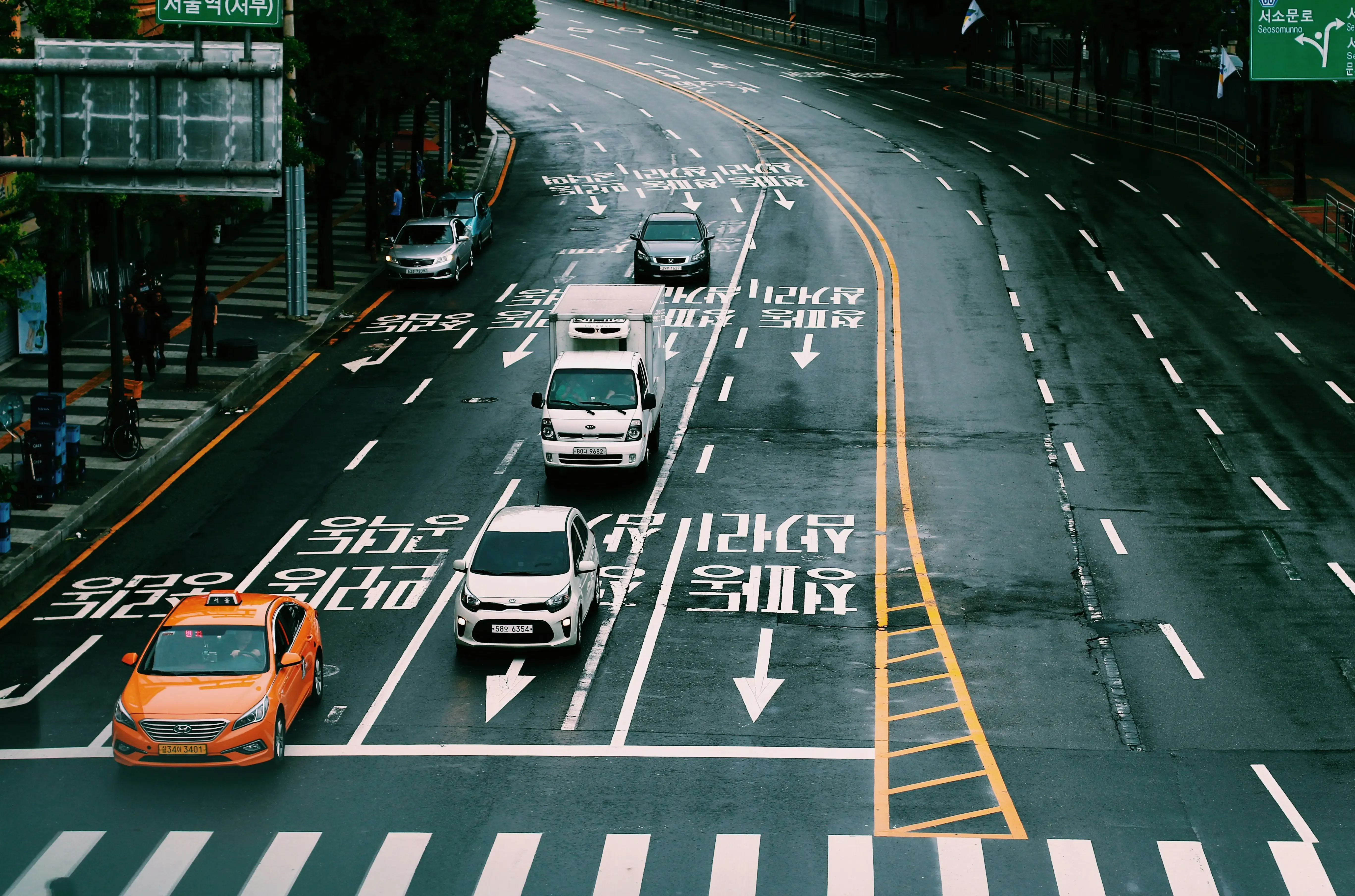
Arriving at Incheon Airport: What to Expect
ICN is enormous, efficient, and easy to navigate. Baggage claim runs 20–35 minutes after landing. Get a T-Money card from a convenience store or transport kiosk in arrivals immediately — this rechargeable IC card works on every metro, bus, and most taxis in Seoul, Busan, and most Korean cities, and you'll use it constantly. Load ₩30,000–50,000 to start.
Seoul's Climate Card Tourist Pass (introduced July 2025) offers unlimited rides on Seoul's subway and city buses for ₩5,000/day, ₩8,000/2-day, ₩10,000/3-day, ₩15,000/5-day, or ₩20,000/7-day. Foreign Visa, Mastercard, JCB, UnionPay, and AMEX are now accepted at 440 Seoul Metro kiosks since March 2026 — the T-Money cash-only limitation that frustrated many visitors is now resolved for major card types.
By AREX Express Train: The Airport Railroad Express runs non-stop from Terminal 1 to Seoul Station in 43 minutes (51 minutes from Terminal 2). Reserved seating, luggage racks, Wi-Fi onboard. Cost: approximately ₩13,000 (≈ USD 9). Departures every 20–40 minutes. This is the fastest, most comfortable public transport option for travelers heading to central Seoul — and a significantly better deal than the equivalent airport train in most major Asian cities.
By AREX All-Stop Train: The same rail line with 13 intermediate stops including Hongik University (Hongdae) and Gimpo Airport. Takes about 60 minutes to Seoul Station. Cost: ₩4,850. No reserved seats — gets crowded during peak hours. The best budget option if your accommodation is near a stop along the route.
By Airport Limousine Bus: Direct routes to specific hotel clusters and neighborhoods across Seoul. Slower than AREX (60–90 minutes depending on traffic), but drops you closer to certain districts that require a subway transfer from Seoul Station. Cost: approximately ₩17,000. Good option if your hotel is along a direct bus route.
By Taxi: Available 24/7 at clearly marked stands outside both terminals. Standard taxi to central Seoul: approximately ₩48,000–60,000 (USD 35–45). Night surcharges apply 12 AM–4 AM. KakaoTaxi and Tmap Taxi work directly from the airport with English interfaces and upfront price estimates — download both before you land.
By Private Transfer: For families, groups, late-night arrivals, or travelers heading somewhere other than central Seoul (directly to a specific Gangnam hotel, to a northern district, or onward to another city without stopping in Seoul), a Kiwitaxi private transfer from Incheon covers the full journey with meet and greet, fixed pricing, and no navigation stress on arrival.
One critical note: Google Maps does not work reliably in South Korea due to national mapping restrictions. Download Naver Maps or Kakao Maps before you land. Both have English interfaces and are significantly more accurate for Korean addresses, transit routing, and walking directions.
Getting Around South Korea
Seoul's Metro
Seoul's metro system is one of the finest urban transit networks on Earth. Nine main lines cover the entire city with surgical frequency — most lines run every 2–5 minutes during peak hours and 5–10 minutes off-peak. Signage is in Korean and English throughout. The T-Money card (or Climate Card Tourist Pass) works on every line. Stations have free Wi-Fi and clean, air-conditioned cars. The app to use is Kakao Metro or Naver Map — both give real-time routing, departure boards, and transfer instructions.
KTX High-Speed Train (Intercity)
The KTX (Korea Train Express) is the fastest way to move between major Korean cities. Seoul to Busan: 2 hours 30 minutes to 3 hours depending on service. Seoul to Gyeongju: 2 hours 15 minutes. Book tickets on the KORAIL website (letskorail.com) or KORAIL app — available in English, and bookable with foreign cards. Book in advance, especially for weekend travel and holidays when trains sell out. Seat selection matters: window seats and quiet cars are popular and fill first.
KORAIL Pass (for foreign visitors only) covers unlimited KTX and other KORAIL trains for 2, 3, 4, or 5 days within a 10-day validity window — good value if you're doing Seoul-Busan plus another intercity route.
Buses
Express and intercity coaches serve destinations not on the KTX network, including Gyeongju (also reachable by KTX but buses serve more stop combinations), Jeonju, Sokcho, and smaller cities. Express Bus Terminal in Seoul has departures to most cities. Intercity buses are comfortable, punctual, and cheaper than trains.
Domestic Flights
Jeju is the most common domestic flight destination — 30+ daily departures from Seoul's Gimpo Airport (GMP), roughly 1 hour, and often cheaper than you'd expect given the distance. Korean Air, Asiana, Jeju Air, T'way Air, and Air Busan all operate the route. Booking through the airline apps gives the best prices.
Best Time to Visit South Korea
South Korea has four genuine seasons and strong reasons to visit in each. Two of them are exceptional.
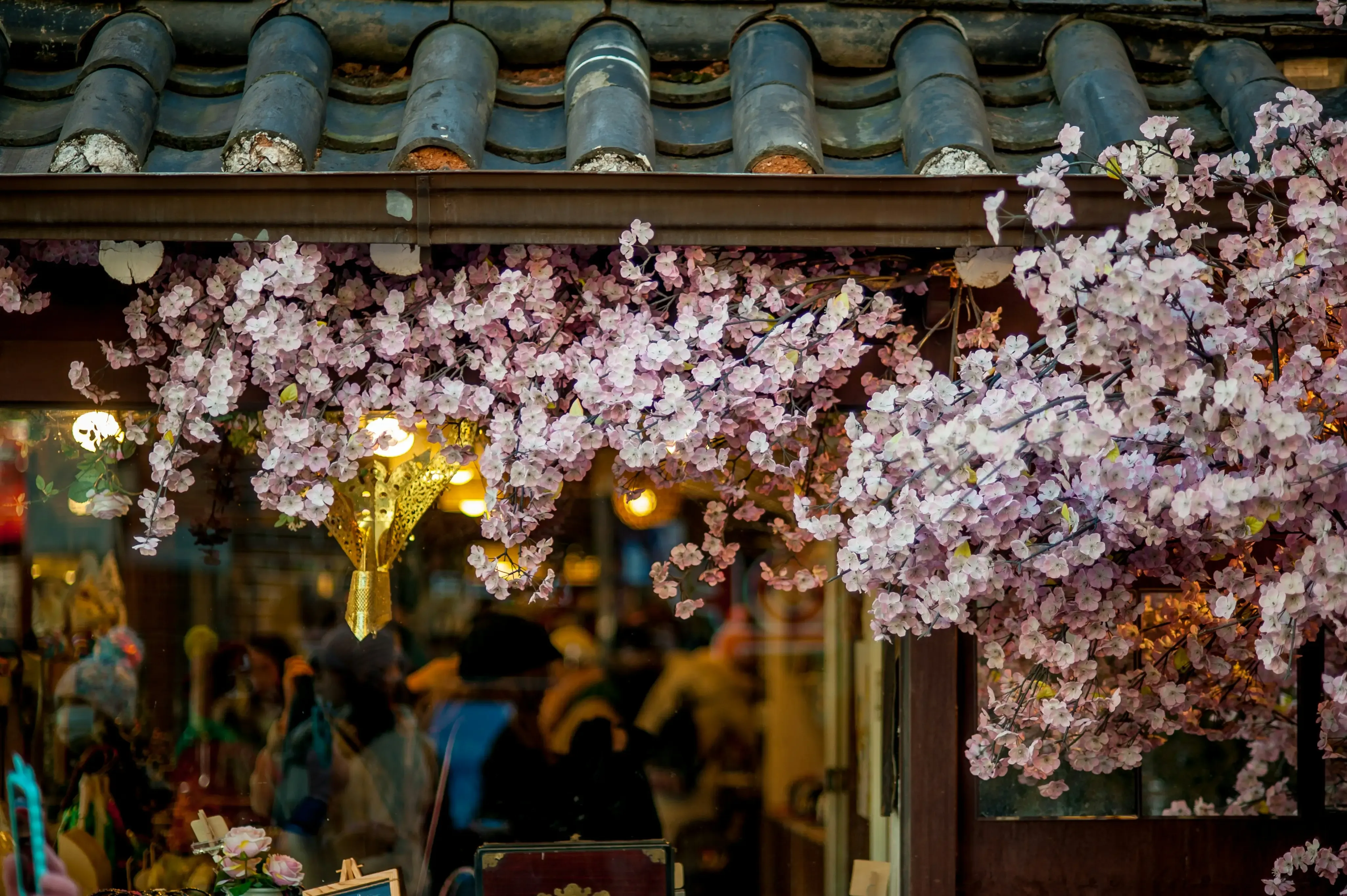
Cherry Blossom Season: Late March to Mid-April The most photographed season in Korea and the most booked. Cherry blossoms (벚꽃, beotkkot) bloom in Seoul typically from late March through the first two weeks of April, slightly later in higher elevations. Every park, palace courtyard, and riverside path transforms. Yeouido in Seoul, Gyeongju's Bomun Lake, and Jinhae in South Gyeongsang Province (which hosts Korea's largest cherry blossom festival) are the peak destinations. Hotels in Seoul book out 6–8 weeks ahead during peak bloom week. Plan early — this is not hyperbole.
Autumn Foliage: Late September to November Arguably the finest season, slightly less crowded than spring, and visually extraordinary. Seoraksan National Park in Gangwon Province turns first (typically late September), Gyeongbokgung Palace grounds peak in late October, and the whole country takes on that specific golden quality that makes hiking and temple visits significantly more rewarding. Temperatures are 12–22°C — ideal for walking cities and doing national park trails without sweating through every layer.
Summer: June to August Hot and humid, with temperatures hitting 32–35°C in July and August. The monsoon (jangma) brings heavy rain for 2–3 weeks in late June/early July. The rest of summer is hot but genuinely lively — beach season on Busan's Haeundae and Gwangalli beaches, outdoor festivals, and the specific summer energy of Korean street life that runs until 2 AM. Jeju in summer is peak season with full hotel prices.
Winter: December to February Cold and dry — temperatures in Seoul range from -5°C to 5°C in January. Clear skies, no humidity, and Korea's mountain ski resorts (Pyeongchang, Yongpyong, Bears Town) running at full capacity. The Christmas market scene is modest but improving. New Year celebrations are significant. Winter is the low season for beach and cultural tourism — which means lower prices, shorter queues at palaces, and a quieter Seoul that rewards the colder mornings.

Seoul — The Capital That Refused to Pick a Lane
Seoul is home to 9.7 million people inside the city limits and over 25 million in the broader metropolitan area. It is one of the largest cities in the world, one of the most technologically advanced, and somehow also home to six UNESCO-listed palaces from the Joseon Dynasty (1392–1910), a 600-year-old fortress wall that still circles the northern mountains, Buddhist temples in the middle of apartment districts, and a street food culture that operates around the clock with no apparent intention of slowing down.
The city is organized around a few key areas that every visitor should know:
Jongno-gu (Historic Center) holds the Joseon palaces — Gyeongbokgung, Changdeokgung, Changgyeonggung — along with Bukchon Hanok Village (traditional Korean tile-roofed houses), Insadong (galleries, tea houses, traditional crafts), and the Jogyesa Buddhist Temple. This is where old Seoul is most visible and most photogenic.
Myeongdong is the commercial center — K-beauty flagship stores, international retail, and some of the best street food in Seoul packed into two blocks: tteokbokki (spicy rice cakes), bindaetteok (mung bean pancakes), and tornado potatoes on sticks. Crowded, necessary.
Hongdae (Hongik University area) is the youth culture district — live music on the streets, independent cafés in every direction, the Friday and Saturday night street performances that pack the alleys until 1 AM, and the nightclub scene that extends well past that. Also the home of some Seoul's best thrift shopping.
Gangnam is the wealth district south of the Han River — the Apgujeong fashion streets, the COEX Mall and its spectacular Starfield Library (a floor-to-ceiling bookshelf atrium that went viral for good reason), Bongeunsa Temple providing a contemplative counterpoint to the luxury retail, and the Cheongdam-dong gallery cluster for contemporary Korean art.
Itaewon and Yongsan is the international neighborhood — historically the area around the US military base, now one of Seoul's most cosmopolitan districts with antiques markets, international restaurants, and the National Museum of Korea nearby.
Seongsu and Ikseon-dong are the neighborhoods to know in 2025–2026. Seongsu (nicknamed "Seoul's Brooklyn") is the repurposed factory and warehouse district east of the river — independent coffee shops, design studios, and the kind of weekend pop-up culture that moves so fast it barely registers before it becomes the next thing. Ikseon-dong is a preserved block of 1930s hanok houses converted into cafés and small restaurants so atmospheric that it's impossible to photograph badly.

Busan — The City That Made Ocean Cool
South Korea's second city sits on the southeastern coast where the Nakdong River meets the Korea Strait, and it runs at a different frequency from Seoul — more salt air, more visible ocean, more inclined to take the afternoon slowly and the evening seriously.
The KTX from Seoul takes 2 hours 30 minutes — book in advance, especially for weekend travel, as trains sell out and standing for three hours is an experience the internet has documented extensively and uncharitably.
Book a private driver
Haeundae Beach is Korea's most famous beach — 1.5 km of sand in the city's east, backed by hotels and restaurants, with the specific summer energy of a beach where the entire country seems to have arrived simultaneously. It works better outside July–August peak, when the water is still warm in September and the sand isn't shoulder-to-shoulder. The Busan X the Sky observation deck above Haeundae, accessed from the 98th floor of Haeundae LCT, gives the most dramatic view in Busan.
Gamcheon Culture Village is the terraced hillside neighborhood of pastel-colored houses above Saha District — a community that was rebuilt as an artistic district over the past decade, with murals, sculptures, small galleries, and cafés climbing the steep lanes. The view from the top back over the layered rooftops to the harbor is the shot.
Jagalchi Fish Market is the largest fish market in Korea — open-air stalls of live seafood on the ground floor, restaurants on the upper floors where you pick your fish from a tank and eat it prepared to order. Arrive before noon for maximum variety. The ajummas (older Korean women) running the stalls are a force of nature.
Beomeosa Temple, 20 minutes by metro from central Busan, sits in a forested valley of Mount Geumjeong and is one of Korea's finest Buddhist temple complexes — founded in 678 AD, atmospheric at any hour, and completely uncrowded compared to the coastal attractions. The autumn foliage around the main hall in late October is extraordinary.
Haedong Yonggungsa Temple is the dramatic cliffside Buddhist temple built directly on the eastern coast — a 15th-century complex on rocky coastal outcroppings with the sea visible through the gates. It's one of the most distinctive temple settings in Korea and worth the 40-minute bus ride from Haeundae.
Gyeongju — The City That Is Basically an Open-Air Museum
Gyeongju was the capital of the Silla Kingdom for a thousand years — from 57 BC to 935 AD — and the city's landscape reflects this with a density of archaeological sites, royal tumuli (burial mounds), and ancient temples that prompted UNESCO to inscribe the entire "Historic Areas of Gyeongju" as a World Heritage Site.
The grass-covered burial mounds of the Daereungwon Tumuli Park sit literally in the middle of the modern city — enormous earthen hills where Silla kings are buried, so integrated into the urban fabric that locals walk dogs around them in the evenings. Cheomseongdae observatory, built in 634 AD, is the oldest surviving astronomical observatory in East Asia. The Bulguksa Temple complex, 16 km east of the city, is Korea's most-visited temple and the finest example of Silla Buddhist architecture.
Gyeongju rewards a full day and repays the traveler who isn't rushing. Rent a bicycle from the station area — the flat terrain around the tumuli park and historic center is ideal for cycling, and the rice paddies between archaeological sites in autumn are quietly beautiful.
From Busan by KTX: 25 minutes. From Seoul: 2 hours 15 minutes.

Jeju Island — Korea's Volcanic Island and the Country's Escape Hatch
The volcanic island 85 km south of the Korean mainland is where Koreans go when they want a week of doing nothing intensive. It's also, for international visitors, a genuinely extraordinary place — the dormant shield volcano of Hallasan (1,947 meters, Korea's highest peak) at the center, lava tube caves running beneath the fields, black basalt sea cliffs on the southern coast, tangerine orchards covering the slopes, and a rural landscape that looks nothing like the rest of Korea.
Hallasan National Park offers multiple hiking trails to the Baengnokdam crater lake at the summit. The Gwaneumsa trail (9.6 km) is the most dramatic; the Eorimok trail (4.7 km) is the most accessible. Summit access is regulated — entry closes at specific times depending on the season to ensure hikers can descend before dark. Check conditions and regulations at halla.jeju.go.kr before attempting the summit route.
Seongsan Ilchulbong (Sunrise Peak) is the dramatic tuff cone that rises from the eastern coast — a 182-meter volcanic crater that can be climbed in 20 minutes from the base, with views over the surrounding sea. Watching the sunrise from the rim is the peak experience, which requires arriving before 5:30 AM in summer.
Manjanggul Cave is a 7.4 km lava tube formed around 300,000 years ago — one of the longest lava tube systems in the world, with a 1 km section open to visitors and a lava column 7.6 meters high at the far end.
Jeju's food culture is distinct from the mainland — haenyeo (traditional female divers) who harvest abalone and sea urchin have been diving without tanks since the 17th century, and the seafood they surface is served raw in restaurants along the coast. Heukdwaeji (black pork from Jeju's native pigs) barbecued over volcanic stone is the island's signature dish.
Flights from Seoul Gimpo to Jeju take 55 minutes and run constantly — some days this is the world's busiest air route. Frequent departures mean flexibility, but book 2–3 days ahead to get reasonable prices.

Best Things to Do in South Korea
Visit Gyeongbokgung Palace at Dawn The main Joseon Dynasty palace — "Greatly Blessed by Heaven" — covers 410,000 square meters in the center of Seoul. The changing of the royal guard ceremony at the Gwanghwamun gate runs twice daily (10 AM and 2 PM) with guards in full Joseon-era costume. The palace itself is best explored early morning before the tour groups arrive — the rear garden Hyangwonjeong pavilion above its lotus pond in morning mist is the image of Seoul that deserves more attention than the Instagram locations in Bukchon. Wearing a hanbok (traditional dress) gives free entry to all five major Seoul palaces — rental shops surround every entrance.
Eat Korean Barbecue Properly Korean barbecue (gogi-gui) is a group dining experience, not a solo sport. The table has a grill in the center; meat arrives raw; you cook it yourself over charcoal or gas; you wrap it in perilla leaves or lettuce with a dab of ssamjang (fermented soybean paste), a sliver of garlic, and a slice of kimchi. Samgyeopsal (thick-cut pork belly) and galbi (marinated short ribs) are the canonical orders. The side dishes (banchan) arrive automatically and are refilled automatically. Don't pay for refills or ask — it's included, it's expected, it's the point.
Do a Jjimjilbang (Korean Sauna) Night The jjimjilbang is a Korean spa complex that operates 24 hours and serves as a social space, a sleeping option, and a cultural institution simultaneously. You pay ₩12,000–15,000 for a wristband that gives access to sex-segregated bathing areas (soaking pools at various temperatures, cold plunge, steam rooms), mixed-gender heated floor rooms where people sleep in provided uniforms, a food court, PC room, and sometimes a cinema or nap pods. It is an excellent way to experience a distinctly Korean social ritual, recover from long travel days, and sleep cheaply if your flight is at 6 AM. Dragon Hill Spa in Seoul is the most famous; Sparecus in Busan is the largest.
Take the KTX to Gyeongju and Wander the Burial Mounds Book the 7 AM KTX from Seoul Station and you're walking the Daereungwon tumuli park by 9:30 AM on a weekday when most visitors haven't arrived yet. Rent a bicycle outside the park. Ride between burial mounds in a city that has been continuously inhabited since before Rome was an empire. Eat ssambap (herb-wrapped rice) at a local restaurant for lunch. Take the afternoon train back to Seoul. This is a complete day and costs less than almost anything comparable in Japan.
Walk Bukchon Hanok Village Before 10 AM The neighborhood of traditional hanok tile-roofed houses on the hill between Gyeongbokgung and Changdeokgung palaces is genuinely beautiful and genuinely crowded by 10 AM. Since March 2025, tourists are prohibited from entering between 5 PM and 10 AM to protect residents — which means the morning window starting exactly at opening is the correct approach. Walk the upper lanes before the organized tours arrive, when the tile roofs are still catching the morning light and the cats that live in the neighborhood gardens are the only other ones out.
Eat Bibimbap in Jeonju Jeonju is the UNESCO Creative City of Gastronomy and the home of bibimbap — mixed rice with sautéed vegetables, a fried egg, and gochujang (red pepper paste) that is arguably the most internationally recognized Korean dish and is here at its best. The city also has a large hanok village (Jeonju Hanok Village) with 800+ traditional buildings, and makgeolli (milky rice wine) that comes from local rice and tastes unlike the commercial version. Jeonju is 2 hours from Seoul by KTX — a full day trip or, better, an overnight.
Hike Seoraksan in Autumn Seoraksan National Park in Gangwon Province, 3 hours northeast of Seoul by bus, is Korea's most dramatic mountain landscape — granite peaks, Buddhist temples in the valleys, and autumn foliage that turns the entire massif from late September that makes the park booking system crash annually. The Ulsanbawi Rock trail (2–3 hours return) climbs through forest to a granite slab with views over the entire park. The Biryong Falls trail is the easier, shorter option. Sokcho on the coast nearby has excellent seafood and surprisingly good beaches.
Shop and Eat Your Way Through Gwangjang Market Seoul's oldest and largest traditional market, operating since 1905, is a sprawling indoor bazaar with stalls selling fabric, vintage clothing, bedding, and antiques in the back halls and a dedicated street food section in the center that operates from 9 AM to 11 PM. The food section serves mayak kimbap (tiny seaweed rice rolls), bindaetteok (mung bean pancakes), raw beef yukhoe with sesame and pine nuts, and mandu (handmade dumplings). The haenyeo grannies selling their market food have been doing so for decades and are not interested in being photographed unless you buy something first. Buy something first.

Transfers Across South Korea with Kiwitaxi
Korea's public transport is exceptional for most city-to-city routes. Where private transfers earn their place:
Incheon Airport to anywhere south of Seoul: If you're heading directly from Incheon to Suwon, Yongin, or another satellite city, a private transfer eliminates the AREX + subway transfer combination with luggage.
Seoul to the DMZ: The Demilitarized Zone border area requires specific transport coordination — most organized tours handle this, but private transfers to border-area tour starting points can be arranged through Kiwitaxi.
Busan airport transfers: Gimhae Airport to Haeundae or central Busan by private transfer is 30–40 minutes and avoids the airport-to-rail-to-bus sequence with luggage.
Jeju transfers: Kiwitaxi covers Jeju Airport to all major island hotels and resorts — useful given that Jeju's taxi availability can be strained during peak holiday periods.
Seoul hotel to KTX station with heavy luggage: Particularly for families or groups heading to Busan or Gyeongju, a private transfer to Seoul Station or Suseo (SRT) station with luggage avoids the metro during rush hour.

South Korea on a Practical Note
Currency: South Korean won (₩/KRW). At current rates approximately ₩1,380–1,420 per US dollar, ₩1,500–1,550 per euro. Cards are widely accepted everywhere in cities — more so than almost any other Asian country. Cash is still needed for some street markets, traditional restaurants, and older establishments. The WOWPASS (a travel prepaid card with exchange function) and Wise card both work well for money management in Korea. The WOW money exchange machines (automated currency exchange kiosks, available across Seoul) give significantly better rates than airport desks.
Tax refunds: From 2025, tax refund limits for travelers were doubled — purchases of ₩50,000 or more at registered stores qualify for VAT refunds at departure. Look for the "Tax Free" label in store windows. App-based instant refunds are available at participating stores via apps like KTO Tax Refund.
Connectivity: Korea has some of the fastest and most pervasive mobile internet in the world. A local SIM card or eSIM from the airport (available 24 hours at Incheon arrival counters from KT, SK Telecom, and U+) gives you full LTE/5G coverage throughout the country. Pocket Wi-Fi rental is also available and sometimes preferable for groups. Most cafés, metro stations, and public spaces have free Wi-Fi.
Navigation: Google Maps does not work properly in Korea — national mapping laws prevent accurate routing. Download Naver Maps (better for transit and walking) and Kakao Maps (better for driving) before landing. Both have English interfaces and are reliable.
Language: Korean (한국어) uses its own alphabet (Hangul), but Hangul is actually highly learnable — 24 characters, phonetically consistent, can be read within a few hours of focused study. Knowing how to read Hangul dramatically improves your ability to navigate menus, signs, and transport. English is spoken in tourist areas, international hotels, and by younger Koreans in cities. Outside tourist zones and in older neighborhoods, a translation app (Google Translate camera mode works well even without reliable maps) handles the gaps.
Tipping: Korea does not have a tipping culture. Do not tip at restaurants, taxis, or hotels — it can cause confusion or awkwardness. The price on the menu is the price you pay. Exceptional service at a high-end restaurant occasionally accepts a small token, but this is the exception rather than any expectation.
Safety: South Korea is one of the safest countries in the world for international travelers. Violent crime rates are extremely low; solo female travelers are a visible and normal presence. The political tension with North Korea does not affect daily life in Seoul or anywhere else in the country — it is a geopolitical backdrop, not a travel safety concern.
Shoes: This comes up in every Korea guide for a reason. You walk a lot, the palaces have extensive grounds, and Bukchon's streets are steep and cobbled. Bring comfortable footwear. The number of blisters reported at temple sites has not been formally tabulated but is certainly significant.
South Korea figured out how to put 5,000 years of history and a world-class transit system and the best street food in Asia into a country small enough that you can actually see most of it in two weeks. It's not showing off. It's just very, very good at being itself.
Explore South Korea Guides

Landing in South Korea? Your Ride Is Ready
Pre-book your private driver, skip the taxi line, and get to your hotel with a fixed price and no surprises.
Book nowExplore All Guides
Barcelona Neighborhoods Guide: Where to Stay & What to Expect in Each Barrio

Discover Paris: A Guide to Iconic Landmarks, Historic Cafés & Legendary Stores

Osaka Travel Guide: Top Things to Do & Food Spots

First-Timer's Japan Handbook: 10 Essential Travel Tips + Etiquette FAQ

Rome in a Day & 3 Days in Rome: The Ultimate Itineraries for Every Traveler

Barcelona Airport to Gothic Quarter: Fastest Transfer Options, Prices & Travel Tips

Ultimate Japan Itineraries: Discover the Best of Japan in 7 or 14 Days

More than the Eiffel Tower: Best Things to Do In Paris

Best hotels in Albania: Tirana, Saranda, Vlorë & Durres

Rome: La Dolce Vita in Every Corner — travel guide by Olivia (@doinglifewithliv)

Barcelona Airport to Sagrada Família: Best Transfer Options, Prices & Travel Times

Paris Food Guide: Eiffel Tower View Restaurants & Rooftop Dining

18 Things You Need to Know Before Visiting Croatia

10 Unforgettable Day Trips from Rome, Italy: Ancient Towns, Best Beaches & Countryside Escapes
A Taste of Florence: Your Complete Food Guide

Best Day Trips from Milan with a Private Driver: Lake Como, Verona & Beyond

10 Best Holiday Alternatives to the Middle East for Spring 2026

Best Things to Do Around the Colosseum: Rome Attractions, Tours & Insider Tips

Barcelona vs Madrid: Which City Is Better to Visit in Spain?

Barcelona: Hidden Bites, Secret Sips & Sunshine Tips by Nancy Sevilla

Best eSIM for Japan 2026

Budapest Travel Tips: Beyond the Obvious

Best Hotels in Rome for Every Budget: Luxury, Boutique & Budget Stays

Cinque Terre Travel Guide: Best Villages & Trails

Best Wine Tours from Milan: Franciacorta, Valpolicella & Chauffeur Hire
Milan to Verona Day Trip with a Chauffeur

South Korea Travel Guide: Best Cultural, Beauty & Wellness Experiences in Seoul, Busan & Jeonju

Best Things to Do in Singapore: Food, Views & Hidden Gems

Free eSIM Trial: Where to Get Free Data

Hoi An Travel Guide: Hidden Gems, Spas & Local Experiences

Santorini Travel Guide: Sunsets, Cruises & Wine

3 Days in Northern Spain: Bilbao, the Cantabrian Coast & Santander

Best eSim for Europe: One Card for 30+ Countries

Best eSim for Mexico: Stay Connected on Your Trip

How to Get from Lisbon to Porto (2026): Train, Bus, Car, or Flight?

How to Get from London to Madeira: Complete Guide (2026)

How to Get from Beauvais Airport to Paris

Paris on a Budget: Affordable Hotels, Shopping & Free Things to Do

Top 12 Things to Do in Albania: Ultimate Travel Guide

Where to Stay in the Albanian Riviera: Best Hotels & Areas
Kyoto Travel Guide: Journey to the Heart of Old Japan

The Ultimate Hanoi Travel Guide: Local Tips, Street Food & Hidden Gems in Vietnam’s Capital

Private Chauffeur Service for Day Trips & Sightseeing
Your own driver, by the hour. No fixed routes. No surprises. Just a professional driver at your disposal - from 3 hours to multiple days.
Book a chauffeur