'%3e%3cpath%20d='M43.073%200.00649261H15.0943V3.94346H43.073V0.00649261Z'%20fill='url(%23kiwitaxi-grad)'%20/%3e%3cpath%20d='M15.0828%203.94346C16.1928%203.94346%2017.0512%203.06513%2017.0512%201.97497C17.0512%200.874164%2016.1822%200.00649261%2015.0828%200.00649261C14.0362%200.00649261%2013.1379%200.851916%2013.1379%201.97497C13.1379%203.10916%2014.0478%203.94346%2015.0828%203.94346Z'%20fill='white'%20/%3e%3cpath%20d='M43.0614%203.94346C44.1715%203.94346%2045.0299%203.06513%2045.0299%201.97497C45.0299%200.874164%2044.1609%200.00649261%2043.0614%200.00649261C42.0149%200.00649261%2041.1166%200.851916%2041.1166%201.97497C41.1166%203.10916%2042.0265%203.94346%2043.0614%203.94346Z'%20fill='white'%20/%3e%3cpath%20d='M19.5921%2038.5052V39.828H23.1471V26.0491H19.5921V27.3446C18.895%2026.5789%2017.4549%2025.8841%2015.7339%2025.8841C11.8502%2025.8841%208.78975%2028.7578%208.78975%2032.939C8.78975%2037.1374%2011.8702%2039.9935%2015.7339%2039.9935C17.4938%2039.9935%2018.932%2039.2691%2019.5921%2038.5052ZM12.2892%2032.939C12.2892%2030.5715%2013.929%2029.1912%2015.9819%2029.1912C18.0106%2029.1912%2019.5647%2030.5845%2019.5647%2032.939C19.5647%2035.2579%2017.9768%2036.6869%2015.9823%2036.6869C13.9596%2036.6869%2012.2892%2035.264%2012.2892%2032.939Z'%20fill='white'%20/%3e%3cpath%20d='M44.7174%2026.0496H41.4289V39.8281H44.7174V26.0496Z'%20fill='white'%20/%3e%3cpath%20d='M32.2183%2035.7001L29.3455%2039.8281H24.94L30.044%2032.8552L25.1624%2026.0496H29.7075L32.3295%2029.8985L35.035%2026.0496H39.4405L34.5599%2032.7435L39.6361%2039.8281H35.1189L32.2183%2035.7001Z'%20fill='white'%20/%3e%3cpath%20d='M3.34504%2022.9604V26.0496H7.4039V29.0939H3.34504V34.2781C3.34504%2035.9866%204.33971%2036.7008%205.955%2036.7008C6.54504%2036.7008%207.16659%2036.5766%207.63241%2036.235V39.4341C7.04237%2039.7757%206.14133%2039.9931%204.89915%2039.9931C1.8243%2039.9931%200.0226746%2038.1293%200.0226746%2034.9298V22.96H3.34504Z'%20fill='white'%20/%3e%3cpath%20d='M36.2094%208.57428L33.307%2016.8723L30.43%208.57428H27.7621L24.8597%2016.8723L21.9828%208.57428H18.4884L23.2157%2021.4188H26.5037L29.084%2014.4093L31.6629%2021.4188H34.951L39.6782%208.57428H36.2094Z'%20fill='white'%20/%3e%3cpath%20d='M44.7174%208.57381H41.4289V21.4188H44.7174V8.57381Z'%20fill='white'%20/%3e%3cpath%20d='M16.7387%208.57381H13.4502V21.4188H16.7387V8.57381Z'%20fill='white'%20/%3e%3cpath%20d='M11.7001%208.57382L6.07922%2014.1326L12.1622%2021.4188H8.05929L3.92163%2016.28L3.3455%2016.8538V21.4188H0.0226746V3.94299H3.3455V12.7574L7.59764%208.57382H11.7001Z'%20fill='white'%20/%3e%3c/g%3e%3cdefs%3e%3clinearGradient%20id='kiwitaxi-grad'%20x1='15.0945'%20y1='1.97497'%20x2='43.073'%20y2='1.97497'%20gradientUnits='userSpaceOnUse'%3e%3cstop%20stop-color='%2300D2CD'%20stop-opacity='0'%20/%3e%3cstop%20offset='1'%20stop-color='%2300D2CD'%20/%3e%3c/linearGradient%3e%3cclipPath%20id='kiwitaxi-clip'%3e%3crect%20width='46'%20height='40'%20fill='white'%20/%3e%3c/clipPath%3e%3c/defs%3e%3c/svg%3e)
Rome: The City That Has Been Everywhere and Never Needed to Go Anywhere
Every city has a story. Rome is the story.
Two thousand seven hundred years of continuous occupation, the center of an empire that stretched from Scotland to Mesopotamia, the city that gave Western civilization its legal system, its calendar, its architecture, and a significant portion of its vocabulary. The Roman Forum that Julius Caesar walked through. The Pantheon built under Hadrian in 125 AD and still holding its original concrete roof. The Colosseum that seated 50,000 spectators on its opening day in 80 AD and is still the largest amphitheatre ever built. The Vatican, which has been operating as a religious state within the city for 1,700 years.
And then, on top of all of that: the pizza. The carbonara. The morning espresso standing at a zinc bar counter that has probably served three generations of the same neighborhood families. The neighborhood itself, with its laundry strung between medieval buildings and its children kicking a ball against walls that were ancient when the Renaissance was young.
Rome operates on several chronological planes simultaneously and the skill of visiting it is learning to move between them without losing your bearings. The ancient city, the baroque city, the fascist city (yes — it left its mark too), and the modern city of young Romans who eat late, dress well, and regard the Colosseum with the casual proprietary affection of people who grew up in its shadow. All of it is Rome, all of it is real, and none of it adequately prepares you for the first time you turn a corner and find yourself standing in front of the Pantheon — a building completed in 125 AD, still standing, still with its original roof — with a cup of coffee in your hand and nowhere you have to be for two hours.
Give Rome time. It returns the investment.
Getting to Rome
By Air — Two Airports, Two Very Different Situations
Leonardo da Vinci–Fiumicino Airport (FCO) is Rome's main international hub, 32 km southwest of the city center. Italy's largest airport handles direct connections from across Europe, North America, the Middle East, Africa, and Asia. Alitalia's successor ITA Airways, Ryanair, easyJet, British Airways, Lufthansa, Emirates, Delta, American Airlines, and most major carriers operate through Fiumicino. A modern, manageable airport with multiple terminals — arrive early for international departures, particularly in summer.
Ciampino Airport (CIA) is Rome's secondary airport, 16 km southeast of the city, handling primarily budget carriers — Ryanair, Wizz Air, easyJet on certain routes. Smaller, simpler, and notably less polished than Fiumicino. Transfer options to the center are bus-dependent (Terravision, SITBusShuttle) or fixed-fare taxi at €40.
By Train
Rome Termini is Italy's largest train station and a major European rail hub. Frecciarossa high-speed trains reach Florence in 1h 30min, Milan in 3 hours, Naples in 1h 10min, Venice in 3h 25min. International connections run to Paris, Vienna, Munich, and beyond via overnight trains and Eurocity services. If you're combining Rome with other Italian cities — and you should — the rail network is exceptional.
By Cruise Ship
Civitavecchia is Rome's cruise port, 80 km northwest of the city center. A significant proportion of Rome's summer visitors arrive this way. Kiwitaxi covers transfers from Civitavecchia to Rome (approximately 1 hour by private transfer) in both directions for shore excursions and cruise departures.

Arriving at Rome's Airports: What to Know
From Fiumicino (FCO):
By Leonardo Express: The fastest, most comfortable public transport option — a dedicated non-stop train from the airport station (5 minutes' walk from Terminal 3 arrivals, follow the signs) directly to Roma Termini in 32 minutes. Departures every 15 minutes from 5:38 AM to 00:23 AM from the airport. Cost: €14 one way. Tickets from vending machines, the official counter, or online via Trenitalia. Book a specific departure time if buying online — you cannot board earlier without a fine, though boarding later is fine. Groups of four can buy a mini-group ticket for €40.
By FL1 Regional Train: Slower (45–55 minutes) but cheaper (€8) and more useful for travelers heading to Trastevere, Ostiense, Tuscolana, or Tiburtina rather than Termini. Runs every 15 minutes on weekdays, every 30 minutes on weekends. Useful if your hotel is in the southern or western neighborhoods that connect via these stations.
By Private Transfer: For families, late-night arrivals (the Leonardo Express stops before 1 AM), travelers going directly to a specific hotel outside Termini's immediate area, or anyone who wants a driver with their name at arrivals and a vehicle ready to go, a Kiwitaxi private transfer from Fiumicino covers the full 32 km door to door with fixed pricing and flight monitoring. Particularly useful for travelers heading to Trastevere, Prati, or the Vatican area where the Leonardo Express requires an onward metro or taxi.
From Ciampino (CIA):
By bus shuttle: SITBusShuttle and Terravision both run direct services from Ciampino to Roma Termini in 35–45 minutes for €6–7. Departures timed around arriving flights. Tickets sold at the bus company desks in arrivals.
By private transfer: Kiwitaxi covers Ciampino to Rome with the same door-to-door service, useful particularly for late arrivals when buses have stopped running.
Getting Around Rome
Rome's historic center is best understood as a walking city with strategic public transport supplements. The distances between major sites are often shorter than they appear on a map — the Pantheon to the Trevi Fountain is a 10-minute walk; the Pantheon to Campo de' Fiori is 7 minutes. The ZTL (Zona a Traffico Limitato) restricted traffic zone that covers most of the centro storico means private vehicles cannot enter without a permit — which keeps the historic center walkable but makes taxis and ride-shares drop you at the perimeter.
Metro Rome's metro has two main lines: Line A (the useful one for tourists) running from Vatican/Ottaviano through Termini to the Spanish Steps and Spagna, and Line B connecting Termini to the Colosseum (Colosseo station). A third line (C) serves the southeastern suburbs. Buy tickets (€1.50 each) from vending machines at any station. A 48-hour tourist ticket costs €6.50. The metro is not comprehensive and many major sites require bus or walking.
Buses The extensive ATAC bus network covers the entire city and is the correct way to reach areas the metro doesn't serve — Trastevere, the Vatican area from most of the center, the Borghese Gallery. The same €1.50 ticket works on buses as on the metro, valid for 100 minutes from validation. Google Maps works well for bus routing in Rome. Board through the rear doors, validate your ticket at the reader.
Walking The only way to actually see Rome. The Colosseum area, the Forum, Palatine Hill, Circus Maximus, the Capitoline Hill, the Pantheon, Navona, the Campo, the Trevi — all of these connect on foot through streets that are themselves the experience. Rome's sampietrini cobblestones are beautiful and hostile to wheeled luggage, high heels, and flip-flops simultaneously. Comfortable, sturdy shoes are not optional.

Best Time to Visit Rome
April to June is the finest window. Temperatures reach a comfortable 18–25°C, the city is in full spring bloom, the light is extraordinary on the travertine stone, and the Easter crowds (which peak hard in the week around Easter, particularly for the Vatican) have thinned by May. April is increasingly popular — book hotels well ahead.
September to October is the best autumn option — still warm (22–28°C), school holidays over, crowds visibly reduced from August levels, and the golden light of October on Rome's ochre buildings is the photographer's gift. Harvest season in Frascati and the Castelli Romani makes a September wine country day trip from Rome particularly rewarding.
July and August is Rome at maximum heat and maximum tourism. Temperatures regularly exceed 35°C; the centro storico bakes; the smell of the summer city is a specific acquired taste. Many Romans leave for the coast in August, which means some local restaurants close and the city briefly feels like it belongs primarily to tourists. That said: Rome in summer has its own specific appeal — the outdoor cinema at Isola Tiberina, the evening passeggiata, the terrace dinners that start at 9 PM when the air finally begins to cool.
November through March is underrated. Cold (5–12°C), occasionally rainy, dramatically less crowded, and offering the best hotel prices of the year. The Vatican Museums without a 90-minute queue. The Colosseum without hundreds of photos being taken simultaneously of the same angle. Rome's churches and piazzas in the rain and the grey winter light. Christmas markets in Piazza Navona and the Nativity scenes in the city's churches. December 8th (Immaculate Conception) and January 6th (Epiphany) are national holidays with specific Roman traditions worth experiencing.
Rome's Neighborhoods: A City of Districts
Rome's historic center is compact enough that most visitors cover it primarily on foot, but the character shifts dramatically from district to district. Where you stay shapes which Rome you wake up in every morning.
Trastevere The most beloved neighborhood in Rome and one of the most atmospheric in Italy. The name means "across the Tiber" — the working-class district on the west bank that has somehow resisted gentrification while simultaneously becoming one of the most visited neighborhoods in the city. Narrow medieval lanes, ivy-covered walls, laundry strung between the upper floors of buildings that were already old in the Renaissance, and some of the finest restaurants in Rome — both the honest family trattorias and the more sophisticated iterations of Roman cuisine that have arrived in the last decade. The church of Santa Maria in Trastevere, with its 12th-century gold mosaics, is open and free and consistently overlooked in favor of more famous churches elsewhere. Come in the evening, after 7 PM, when the restaurants fill and the piazzas become social spaces rather than tourist thoroughfares.
Centro Storico — Navona, Pantheon, Campo de' Fiori The dense historic heart between the Tiber and the main ancient sites. Piazza Navona — Bernini's Fountain of the Four Rivers, the baroque churches, the late-night cafés — is the theatrical showpiece. The Pantheon area radiates narrow streets filled with gelato shops, wine bars, and restaurants of varying quality and price. Campo de' Fiori is the morning market and the evening bar scene in a single piazza, separated by 12 hours. This area is where the photographs come from and where the most visitors concentrate — it rewards early mornings and late evenings more than midday.
Monti The neighborhood immediately west of Termini station and arguably Rome's most livable central district for visitors who want both convenience and character. Monti was Rome's original working-class neighborhood (rione Monti appears in ancient records) and is now hip, independent, and full of vintage clothing shops, aperitivo bars, and trattorias that aren't primarily aimed at tourists. The streets around Via del Boschetto and Via dei Serpenti are the heart of it. Easy access to the Colosseum (10 minutes on foot), the Forum, and Termini's transport connections.
Prati The elegant residential neighborhood immediately across the Tiber from the Vatican — grid-planned, wide-avenueed, and full of good independent restaurants, cafés, and bakeries that serve the people who actually live here rather than the tourists who come for the museums. Staying in Prati means a 15-minute walk to St. Peter's Square, proximity to the Vatican Museums through the back streets, and the pleasant sensation of eating breakfast in a bar where nobody is photographing their cappuccino.
Testaccio Rome's historic slaughterhouse district, now its food neighborhood. The Testaccio market is one of the finest in Rome. The trattorie that have always cooked quinto quarto (the "fifth quarter" — offal, organ meats, the cuts that the slaughterhouse workers brought home) have been joined by wine bars and modern restaurants, but the cooking tradition is intact. Cacio e pepe, coda alla vaccinara, rigatoni con la pajata — these are Roman dishes and Testaccio is where they are most honestly executed. The neighborhood is 15 minutes south of the centro storico by tram and feels genuinely removed from the tourist center.
Pigneto Rome's creative district — east of Termini, unfashionable enough to remain affordable and interesting. Street art on every second building; wine bars and aperitivo spots from 6 PM; restaurants that reflect the city's immigrant communities and the Italian food culture that forms around them. Not for first-time Rome visitors with limited time, but for returning visitors who want to see a Rome that has nothing to do with the Colosseum.

Best Things to Do in Rome
Enter the Pantheon at Opening Time Built under Emperor Hadrian between 118 and 125 AD and in continuous use since — as a pagan temple, as a church, as a burial site for Italian kings including Vittorio Emanuele II and Raphael. The oculus at the center of the 43-meter concrete dome (the largest unreinforced concrete dome ever built, still) opens directly to the sky and admits light that moves across the interior throughout the day. Entry now requires a ticket (€5 for standard entry, reservations available online) following years of free access. Come when it opens at 9 AM before the groups arrive. Stand directly under the oculus and look up. Rain comes in through the opening during storms; the floor drains were built in 125 AD and still work.
Colosseum, Roman Forum, and Palatine Hill — Do All Three The combined ticket covers the Flavian Amphitheatre (capacity 50,000 at opening in 80 AD, the largest arena ever built), the Roman Forum beneath Palatine Hill (the civic heart of ancient Rome — the Senate house, the Temple of Vesta, the Arch of Titus), and Palatine Hill itself (the origin of the word "palace," where Rome's emperors built their residences and where the city's mythological founding — Romulus and Remus — is located). Booking online in advance is mandatory in peak season; same-day entry during July–August is essentially impossible. Go in the first hour after opening or the last hour before closing for the best light and the fewest people. Allow 4–5 hours for all three. The Arena level of the Colosseum (walk on the actual arena floor) requires a separate, premium ticket — book this specifically.
Follow Caravaggio Around Rome The best free art tour in the city. Caravaggio painted several of his major works for specific Roman churches between 1600 and 1606, and most remain in the churches they were commissioned for — meaning you encounter them in the context for which they were designed, lit by natural light through the original windows, surrounded by the smell of incense and the sounds of a working church. San Luigi dei Francesi (the Contarelli Chapel — three paintings of Saint Matthew's life, including the Calling of Saint Matthew); Santa Maria del Popolo (the Cerasi Chapel — the Crucifixion of Saint Peter and the Conversion of Saint Paul); Sant'Agostino (Madonna of the Pilgrims). All three churches require only appropriate dress and the willingness to put a coin in the coin-operated lights. The detour from any of these to the next takes under 20 minutes on foot.
Visit the Borghese Gallery — but Book The Villa Borghese's private museum contains the finest collection of Bernini sculptures in existence — Pluto and Proserpina, Apollo and Daphne, David — plus significant Caravaggio paintings, Raphael, Titian, and Rubens, all displayed in a casino built for Cardinal Borghese's personal pleasure in the early 17th century. Entry is strictly timed and limited to 360 visitors per 2-hour session. Booking in advance is mandatory and essential — the gallery sells out weeks ahead in peak season. Check borghese.it directly. The 2-hour time limit feels cruel when you arrive; the collection is that good.
Throw a Coin in the Trevi Fountain It's a tourist cliché precisely because Nicola Salvi designed one of the finest baroque spectacles in Europe in 1762 and the resulting fountain at the junction of three ancient aqueducts is genuinely extraordinary. The tradition — throw a coin over your left shoulder with your right hand to ensure a return to Rome — generates approximately €1 million annually, collected nightly and donated to Caritas Rome for food programs. Go early morning (the fountain is lit through the night) or late evening. The coins are real. The fountain is real. The crowds at 11 AM in August are also very real.
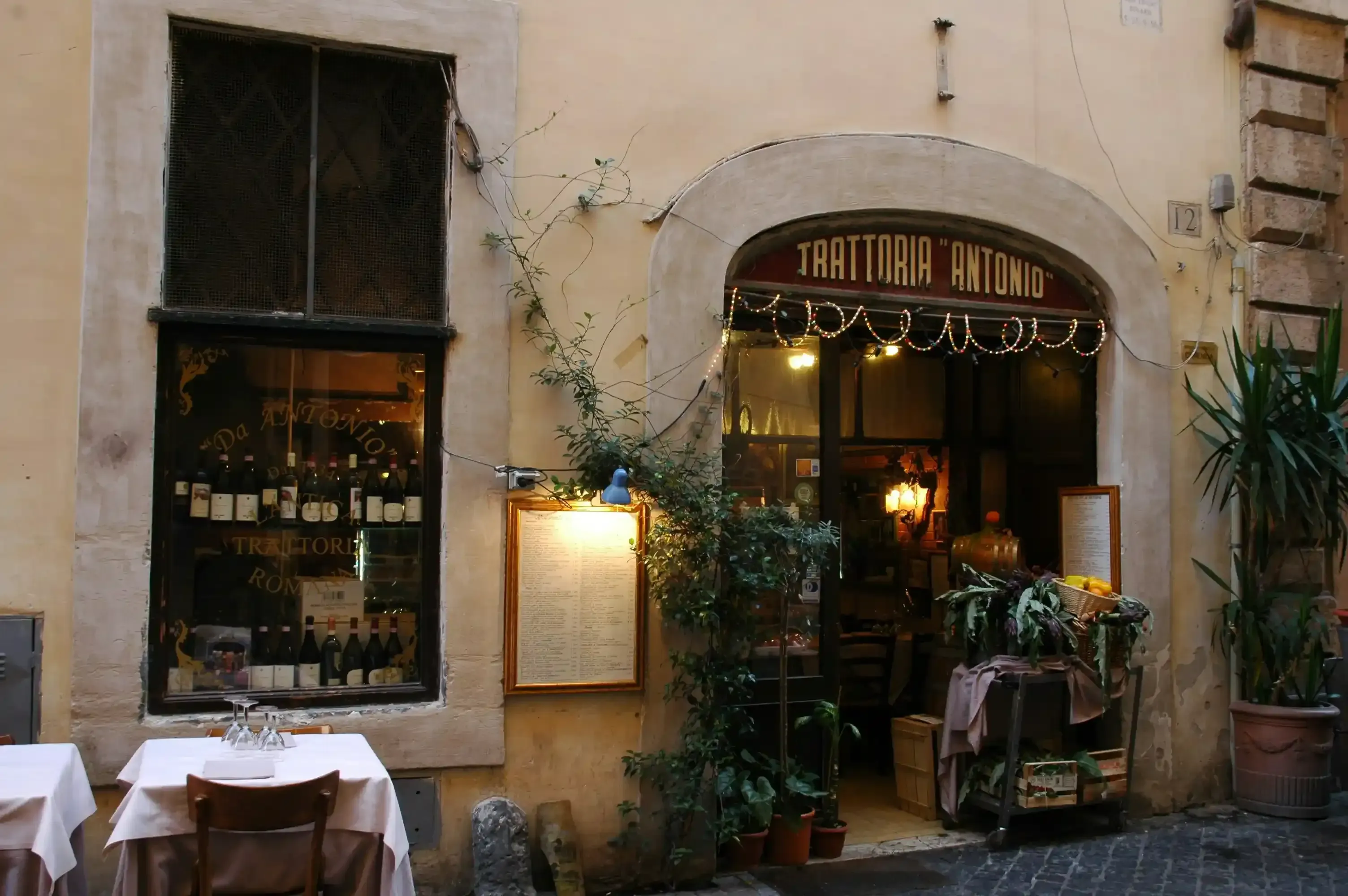
Eat Cacio e Pepe at a Trattoria Without a Tourist Menu The canonical Roman pasta — tonnarelli pasta with Pecorino Romano, Pecorino Sardo, and black pepper, nothing else, emulsified into a sauce that requires technique and the right cheese. Every Roman has an opinion on who makes it best. The practical rule: if the menu is laminated or has photographs, keep walking. Find a neighborhood trattoria where the pasta is made that morning and the owner asks what you want rather than handing you a translation. Da Remo in Testaccio (Roman pizza and fried supplì), Tonnarello in Trastevere, Flavio al Velavevodetto near the Circus Maximus — these are restaurants where Romans actually eat, priced accordingly.
Walk the Appian Way on a Sunday The Via Appia Antica — the ancient Roman road running south from the city's Porta San Sebastiano — is car-free on Sundays. The original basalt paving stones are still in place; the tombs of Roman senators and consuls line the road under umbrella pines; the Catacombs of San Callisto and San Sebastiano operate guided tours that take you below the surface into the 2nd-century Christian burial networks. Rent a bicycle from the point where the restricted zone begins on Sunday morning and ride south as far as the road takes you. The combination of ancient road, pine trees, and the visible layers of Roman and early Christian history makes this one of the finest outdoor experiences in the city.
Climb the Gianicolo Hill at Sunset The Gianicolo (Janiculum) hill west of Trastevere is Rome's best viewpoint — better than any paid tower, with the full panorama of the centro storico spread to the east and the Vatican in the center of the view. At 12 noon daily (since 1847), a cannon is fired from the hill as a time signal — the cannone del Gianicolo. In the evening before sunset, the view changes color as the light drops. Walk up from Trastevere, bring wine, and stay until the city lights come on.
See the Vatican Museums on the First Entrance of the Day The Vatican Museums hold the Sistine Chapel, the Raphael Rooms (Stanze di Raffaello), the Gallery of Maps, 54 galleries of ancient sculpture, and more art than can be adequately absorbed in a single visit. Entry requires booking in advance via the Vatican's official website (museivaticani.va). The museum opens at 9 AM on weekdays; booking the first entry slot significantly reduces the crowd in the Sistine Chapel, which reaches capacity by 10:30 AM in peak season. The Raphael Rooms, directly before the Sistine Chapel, contain the School of Athens — one of the finest paintings of the Italian Renaissance — and are worth the time even when tired from two hours of galleries. Exit through St. Peter's Basilica (free entry, separate queue) — the largest church in Christendom, with Michelangelo's Pietà in the first chapel on the right.
Drink Aperitivo Like a Roman The early evening aperitivo — a drink accompanied by small bites, practiced daily by the city's population between 6 and 8 PM — is the correct way to transition from afternoon to dinner. Unlike Milan's more elaborate apericena tradition, Roman aperitivo is simple: a glass of Aperol spritz, Campari, Negroni, or local Frascati wine with supplì (fried risotto balls with a mozzarella center), olives, or bruschetta. The price of the drink (€5–10) typically includes the food. Bars in Testaccio, Monti, and Pigneto do this best.

Day Trips from Rome with Kiwitaxi
Rome is excellent at being Rome, but it's also surrounded by one of the finest day-trip regions in Italy. Kiwitaxi covers transfers to all these destinations from Rome — both the initial journey and return — with fixed pricing and the option to book the full round trip at once.
Tivoli — 35 minutes from Rome Two UNESCO World Heritage Sites in a single hilltop town 35 km east of Rome. Villa d'Este is the most spectacular Renaissance garden in Italy — 500 fountains fed by an aqueduct diverted from the Aniene River, covering a hillside in water features that include the Hundred Fountains promenade and the Fountain of the Organ. Villa Adriana (Hadrian's Villa), 5 km below the town, was the largest Roman villa ever built — a private imperial residence covering 120 hectares that contains a copy of the Stoa Poikile in Athens, an Egyptian-inspired canal, libraries, theaters, and guest palaces. Both require half a day each; a full Tivoli day combines both with lunch at a trattoria in the town center.
The Castelli Romani and Frascati — 25 minutes from Rome The volcanic Alban Hills southeast of Rome hold a cluster of hilltop towns — Frascati, Castel Gandolfo (the traditional summer residence of the Pope, now open to visitors), Ariccia, and Genzano — that have served as Rome's country retreat since antiquity. Frascati produces the Lazio region's most famous white wine, drunk in the local fraschette wine taverns that evolved from the practice of selling new wine directly from the cellar. The combined day — wine at a Frascati estate, lunch in the town, a drive through the crater lake landscape to Castel Gandolfo — is one of the finest half-days available within an hour of the city.
Ostia Antica — 40 minutes from Rome The ancient port city of Rome, preserved in a state that rivals Pompeii but receives a fraction of Pompeii's visitors. Ostia Antica was a working city of 100,000 people at its 2nd-century peak — complete streets, multi-story apartment blocks (insulae), warehouses, temples, restaurants, baths, and a theater that still hosts summer performances. The mosaic floors of the merchant guilds hall show seafood merchants, rope-makers, and ship builders advertising their trade in tesserae. Entry is approximately €12; the site is reachable by direct regional train from Roma Ostiense (30 minutes) or by private transfer. Allow 3–4 hours.
Civitavecchia and the Etruscan Coast — 1 hour from Rome The Etruscan civilization preceded Rome in this region, leaving hilltop necropolises and coastal towns that predate the Roman Empire. Cerveteri, 40 km north of Rome, holds the Necropoli di Banditaccia — a UNESCO-listed city of the dead with hundreds of circular tumulus tombs cut from volcanic tufa. The painted tombs of nearby Tarquinia (the Etruscan capital) contain the finest pre-Roman figurative painting in existence. Kiwitaxi covers the transfer from Rome directly; combining Cerveteri with a coastal lunch at Santa Marinella makes an excellent full day.
Naples and Pompeii — 1h 10min by Frecciarossa, or 3h by private transfer
The fastest Frecciarossa trains reach Naples in 1 hour 10 minutes — making a day trip to Pompeii logistically possible (though genuinely tiring). Private transfer to Pompeii directly takes approximately 3 hours but delivers you to the site entrance rather than requiring a Circumvesuviana connection from Naples. For travelers who want to see Vesuvius, the ruins, and perhaps Herculaneum in a single day from Rome, a Kiwitaxi Chauffeur Hire covers the round trip with flexibility to spend more time at whichever site earns it.
Rome on a Practical Note
Booking in advance is not optional. This applies to: the Colosseum (sold out 2–3 days ahead in peak season), the Vatican Museums (2–4 weeks ahead), the Borghese Gallery (often 2 weeks ahead, book immediately upon planning your trip), any major monument with a time-slot entry system. Same-day or walk-in entry at Rome's major sites is effectively impossible in July–August and significantly difficult in spring and autumn. The official booking sites are: coopculture.it (Colosseum, Roman Forum, Palatine, Castel Sant'Angelo), museivaticani.va (Vatican Museums and Sistine Chapel), borghese.it (Borghese Gallery).
The ZTL (Zona a Traffico Limitato) covers most of the historic center and is camera-enforced. If you rent a car, confirm your hotel's parking situation before driving in — ZTL fines are automatic and can follow you home via your rental agreement. Most central hotels have no on-site parking.
Dress code for churches. Shoulders covered, knees covered. Most churches enforce this. Lightweight scarves or wraps are the practical solution in summer. Carry one in your bag. The reward for compliance is access to dozens of extraordinary buildings — Caravaggio, Michelangelo, Raphael — that are completely free to enter.
Unlicensed taxis and tour sellers. Rome's biggest tourist trap issue is not the food — it's the people at the Colosseum entrance offering "skip the line" tours at elevated prices, and the drivers at Fiumicino who are not official taxis and will charge three times the legal rate. Colosseum entry: use coopculture.it only. Fiumicino taxis: official white cab at the rank or pre-booked private transfer only.
Water. Rome has over 2,500 public drinking fountains called nasoni (little noses — a nickname for the constantly running taps) providing fresh water from the ancient aqueduct system, still operating after 2,000 years. The water is cold, clean, and free. Carry a reusable bottle. You will never be far from a nasone.
Coffee etiquette. Espresso is served at the bar, drunk standing up, and costs €1–1.50. Sitting down costs more (table service). Cappuccino is a morning drink — ordering one after 11 AM marks you as a tourist (though nobody will refuse to make you one). Ordering a "latte" in Rome gets you a glass of warm milk. The drink you want is a caffelatte or caffè macchiato.
Rome does not try to be anything. It has already been everything. The only remaining question is whether you arrive with enough time to understand even a fraction of what that means. The answer is no — but you come back anyway.
Best Picks for True Adventurers: Rome Edition
We've curated the most helpful and inspiring stories about Rome - from hidden gems to local food, family routes, and transport tips.

Fiumicino Airport to Rome Hotels: Transportation Options for Every Budget

10 Unforgettable Day Trips from Rome, Italy: Ancient Towns, Best Beaches & Countryside Escapes
Fiumicino Airport (FCO) to Rome City Center: Complete Transportation Guide

Rome in a Day & 3 Days in Rome: The Ultimate Itineraries for Every Traveler

Best Hotels in Rome for Every Budget: Luxury, Boutique & Budget Stays

Rome Ciampino Airport to Termini Station: Fastest & Cheapest Options Compared

Rome: La Dolce Vita in Every Corner — travel guide by Olivia (@doinglifewithliv)

Rome Airport to City with Kids: Best Family Transfer Options

Best Things to Do Around the Colosseum: Rome Attractions, Tours & Insider Tips

How to Get from Rome Airport to Civitavecchia Port: 2026 Transportation Guide

Day Trip from Rome to Pompeii and the Amalfi Coast

Rome Travel Guide 2026: Best Time to Visit, Where to Stay & What Not to Miss

Rome Travel Guide by @vilettv: Hidden Gems, Best Cafés, Gelato & Boutique Hotels

Looking for a Rome Airport Transfer?
Skip the long taxi lines and land stress-free in Rome Your private driver will meet you, track your flight in real time, and take you directly to your hotel or destination with fixed prices and no surprises.
Book a transferExplore All Guides
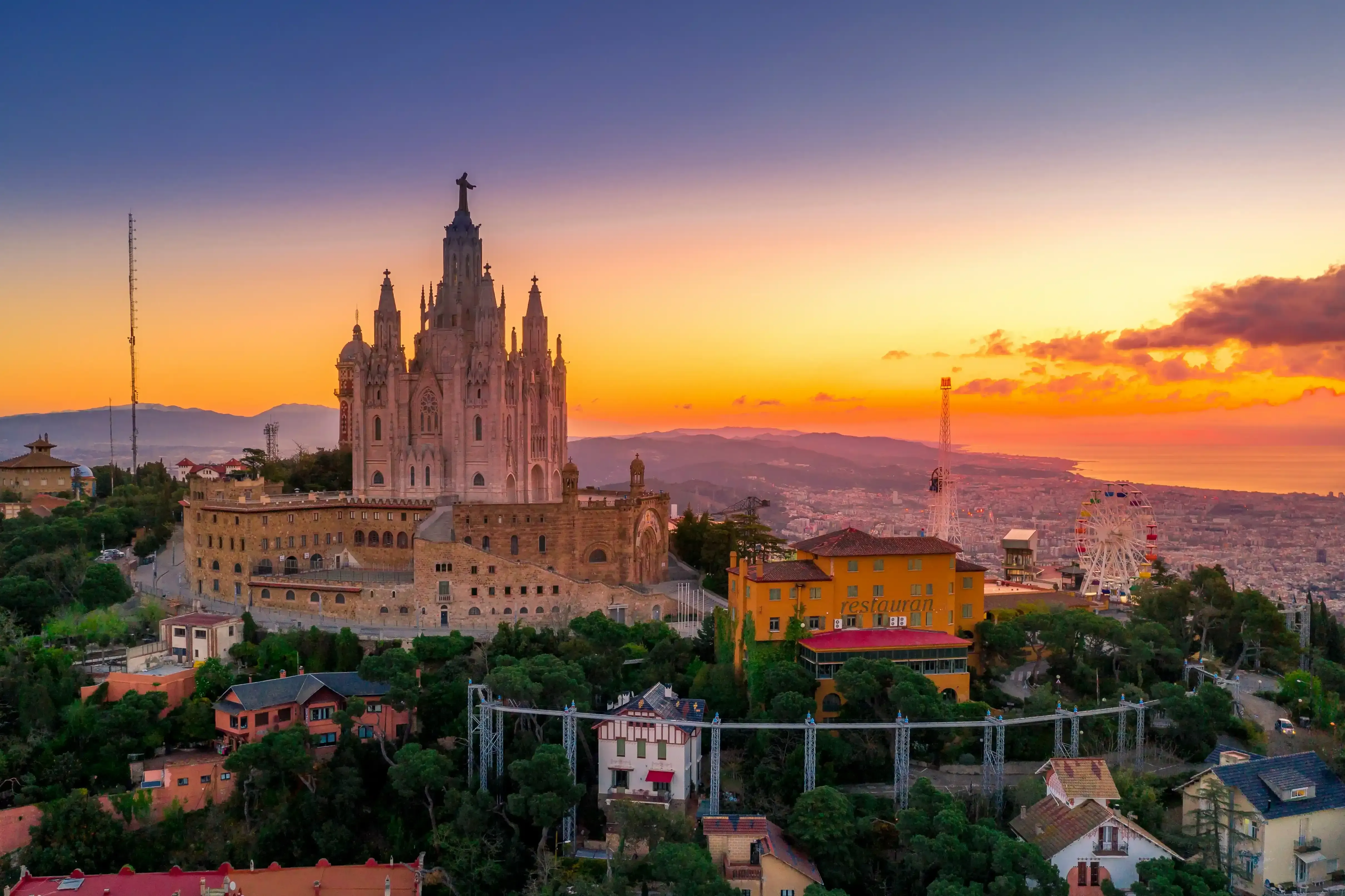
Barcelona Neighborhoods Guide: Where to Stay & What to Expect in Each Barrio

Discover Paris: A Guide to Iconic Landmarks, Historic Cafés & Legendary Stores

Osaka Travel Guide: Top Things to Do & Food Spots

First-Timer's Japan Handbook: 10 Essential Travel Tips + Etiquette FAQ
Rome in a Day & 3 Days in Rome: The Ultimate Itineraries for Every Traveler

Barcelona Airport to Gothic Quarter: Fastest Transfer Options, Prices & Travel Tips

Ultimate Japan Itineraries: Discover the Best of Japan in 7 or 14 Days

More than the Eiffel Tower: Best Things to Do In Paris

Best hotels in Albania: Tirana, Saranda, Vlorë & Durres
Rome: La Dolce Vita in Every Corner — travel guide by Olivia (@doinglifewithliv)

Barcelona Airport to Sagrada Família: Best Transfer Options, Prices & Travel Times

Paris Food Guide: Eiffel Tower View Restaurants & Rooftop Dining

18 Things You Need to Know Before Visiting Croatia
10 Unforgettable Day Trips from Rome, Italy: Ancient Towns, Best Beaches & Countryside Escapes
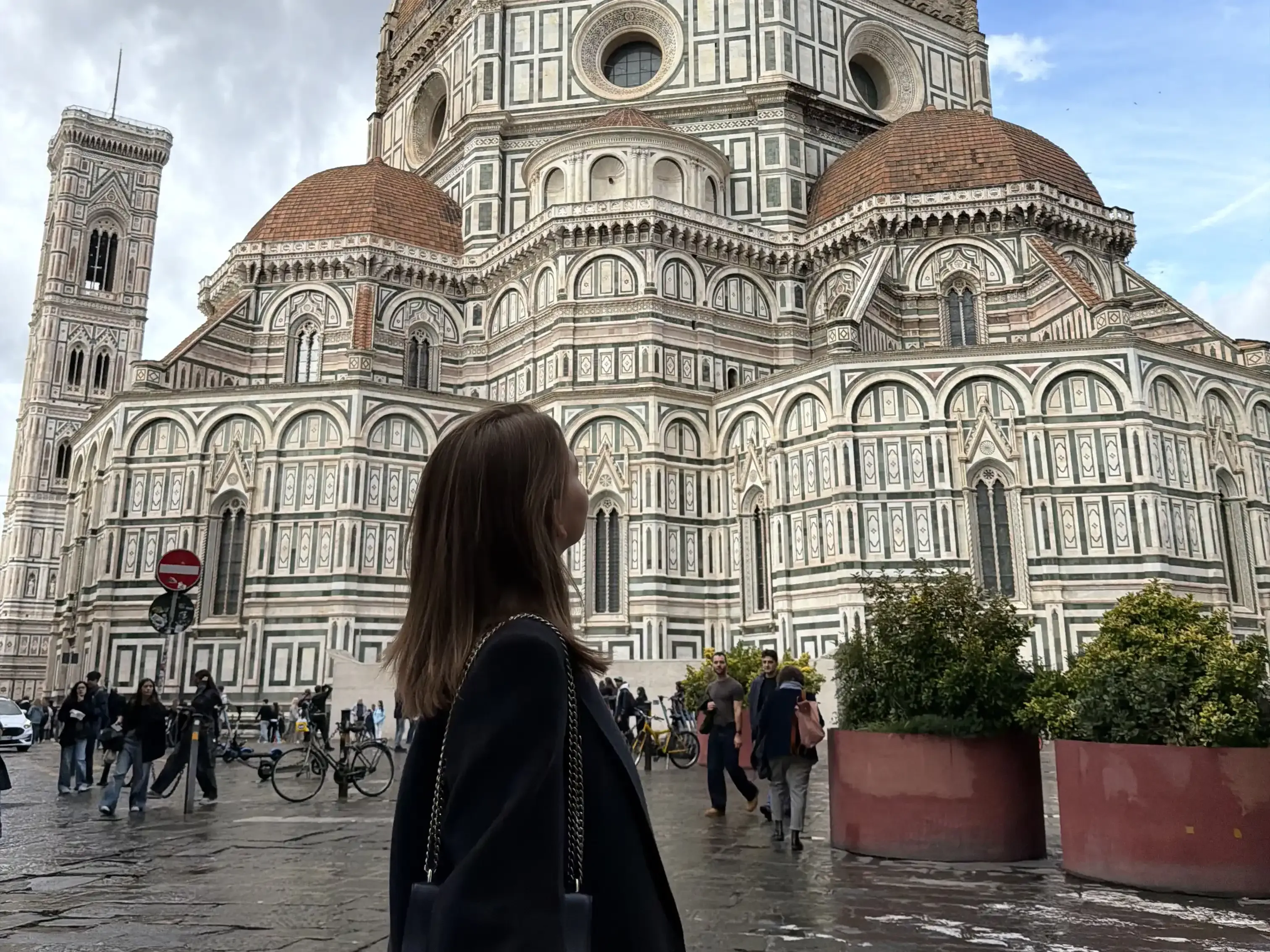
A Taste of Florence: Your Complete Food Guide

Best Day Trips from Milan with a Private Driver: Lake Como, Verona & Beyond

10 Best Holiday Alternatives to the Middle East for Spring 2026
Best Things to Do Around the Colosseum: Rome Attractions, Tours & Insider Tips

Barcelona vs Madrid: Which City Is Better to Visit in Spain?

Barcelona: Hidden Bites, Secret Sips & Sunshine Tips by Nancy Sevilla

Best eSIM for Japan 2026

Budapest Travel Tips: Beyond the Obvious
Best Hotels in Rome for Every Budget: Luxury, Boutique & Budget Stays

Cinque Terre Travel Guide: Best Villages & Trails

Best Wine Tours from Milan: Franciacorta, Valpolicella & Chauffeur Hire
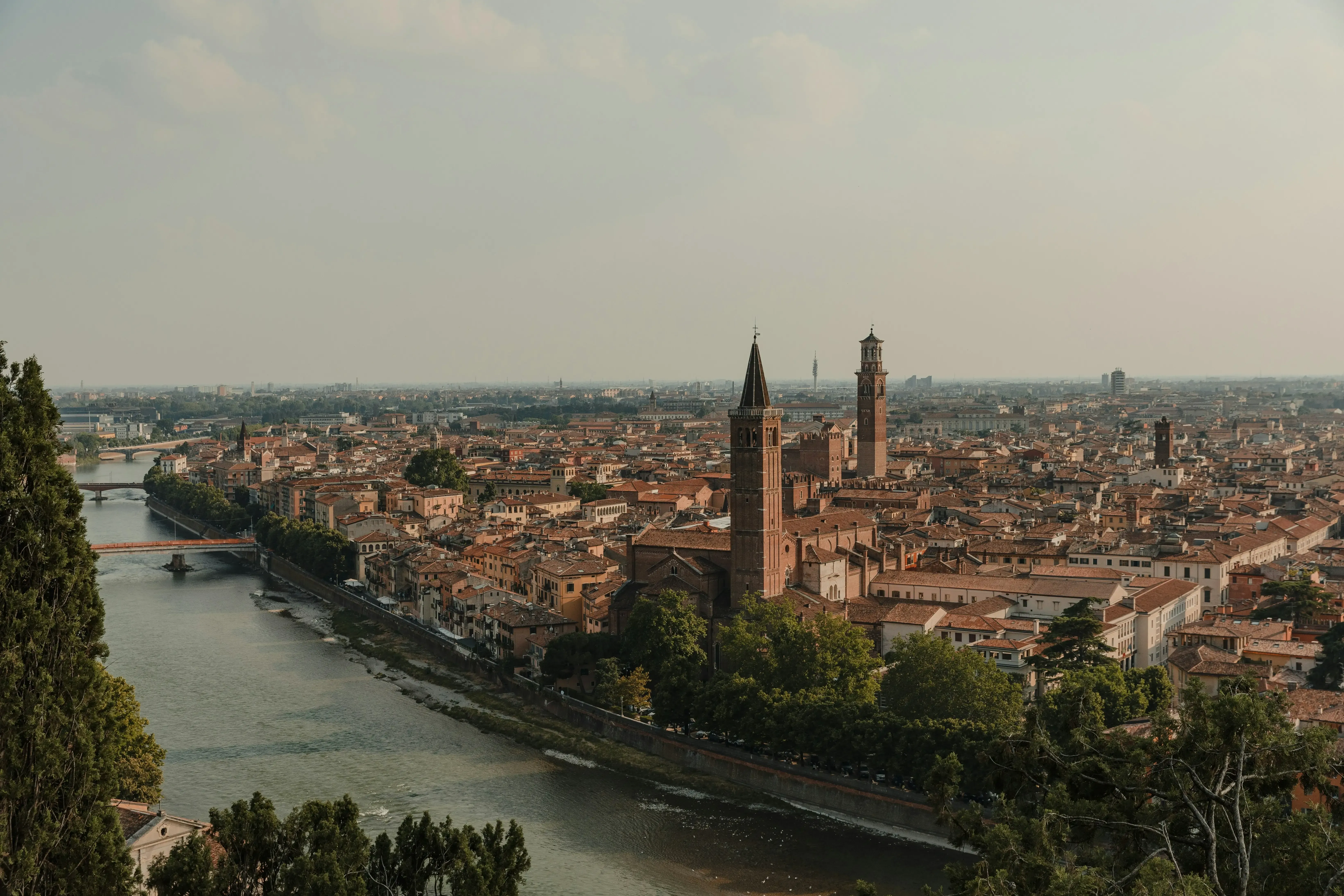
Milan to Verona Day Trip with a Chauffeur

South Korea Travel Guide: Best Cultural, Beauty & Wellness Experiences in Seoul, Busan & Jeonju

Best Things to Do in Singapore: Food, Views & Hidden Gems

Free eSIM Trial: Where to Get Free Data

Hoi An Travel Guide: Hidden Gems, Spas & Local Experiences

Santorini Travel Guide: Sunsets, Cruises & Wine

3 Days in Northern Spain: Bilbao, the Cantabrian Coast & Santander

Best eSim for Europe: One Card for 30+ Countries

Best eSim for Mexico: Stay Connected on Your Trip

How to Get from Lisbon to Porto (2026): Train, Bus, Car, or Flight?

How to Get from London to Madeira: Complete Guide (2026)

How to Get from Beauvais Airport to Paris

Paris on a Budget: Affordable Hotels, Shopping & Free Things to Do

Top 12 Things to Do in Albania: Ultimate Travel Guide

Where to Stay in the Albanian Riviera: Best Hotels & Areas
Kyoto Travel Guide: Journey to the Heart of Old Japan

The Ultimate Hanoi Travel Guide: Local Tips, Street Food & Hidden Gems in Vietnam’s Capital

Private Chauffeur Service for Day Trips from Rome
Explore Lake Como, the Italian Riviera, wineries, and hidden villages with your own private driver. Flexible hourly hire with no fixed itineraries, no rushing, and no stress - just comfortable travel, wherever the road takes you.
Book a chauffeur