'%3e%3cpath%20d='M43.073%200.00649261H15.0943V3.94346H43.073V0.00649261Z'%20fill='url(%23kiwitaxi-grad)'%20/%3e%3cpath%20d='M15.0828%203.94346C16.1928%203.94346%2017.0512%203.06513%2017.0512%201.97497C17.0512%200.874164%2016.1822%200.00649261%2015.0828%200.00649261C14.0362%200.00649261%2013.1379%200.851916%2013.1379%201.97497C13.1379%203.10916%2014.0478%203.94346%2015.0828%203.94346Z'%20fill='white'%20/%3e%3cpath%20d='M43.0614%203.94346C44.1715%203.94346%2045.0299%203.06513%2045.0299%201.97497C45.0299%200.874164%2044.1609%200.00649261%2043.0614%200.00649261C42.0149%200.00649261%2041.1166%200.851916%2041.1166%201.97497C41.1166%203.10916%2042.0265%203.94346%2043.0614%203.94346Z'%20fill='white'%20/%3e%3cpath%20d='M19.5921%2038.5052V39.828H23.1471V26.0491H19.5921V27.3446C18.895%2026.5789%2017.4549%2025.8841%2015.7339%2025.8841C11.8502%2025.8841%208.78975%2028.7578%208.78975%2032.939C8.78975%2037.1374%2011.8702%2039.9935%2015.7339%2039.9935C17.4938%2039.9935%2018.932%2039.2691%2019.5921%2038.5052ZM12.2892%2032.939C12.2892%2030.5715%2013.929%2029.1912%2015.9819%2029.1912C18.0106%2029.1912%2019.5647%2030.5845%2019.5647%2032.939C19.5647%2035.2579%2017.9768%2036.6869%2015.9823%2036.6869C13.9596%2036.6869%2012.2892%2035.264%2012.2892%2032.939Z'%20fill='white'%20/%3e%3cpath%20d='M44.7174%2026.0496H41.4289V39.8281H44.7174V26.0496Z'%20fill='white'%20/%3e%3cpath%20d='M32.2183%2035.7001L29.3455%2039.8281H24.94L30.044%2032.8552L25.1624%2026.0496H29.7075L32.3295%2029.8985L35.035%2026.0496H39.4405L34.5599%2032.7435L39.6361%2039.8281H35.1189L32.2183%2035.7001Z'%20fill='white'%20/%3e%3cpath%20d='M3.34504%2022.9604V26.0496H7.4039V29.0939H3.34504V34.2781C3.34504%2035.9866%204.33971%2036.7008%205.955%2036.7008C6.54504%2036.7008%207.16659%2036.5766%207.63241%2036.235V39.4341C7.04237%2039.7757%206.14133%2039.9931%204.89915%2039.9931C1.8243%2039.9931%200.0226746%2038.1293%200.0226746%2034.9298V22.96H3.34504Z'%20fill='white'%20/%3e%3cpath%20d='M36.2094%208.57428L33.307%2016.8723L30.43%208.57428H27.7621L24.8597%2016.8723L21.9828%208.57428H18.4884L23.2157%2021.4188H26.5037L29.084%2014.4093L31.6629%2021.4188H34.951L39.6782%208.57428H36.2094Z'%20fill='white'%20/%3e%3cpath%20d='M44.7174%208.57381H41.4289V21.4188H44.7174V8.57381Z'%20fill='white'%20/%3e%3cpath%20d='M16.7387%208.57381H13.4502V21.4188H16.7387V8.57381Z'%20fill='white'%20/%3e%3cpath%20d='M11.7001%208.57382L6.07922%2014.1326L12.1622%2021.4188H8.05929L3.92163%2016.28L3.3455%2016.8538V21.4188H0.0226746V3.94299H3.3455V12.7574L7.59764%208.57382H11.7001Z'%20fill='white'%20/%3e%3c/g%3e%3cdefs%3e%3clinearGradient%20id='kiwitaxi-grad'%20x1='15.0945'%20y1='1.97497'%20x2='43.073'%20y2='1.97497'%20gradientUnits='userSpaceOnUse'%3e%3cstop%20stop-color='%2300D2CD'%20stop-opacity='0'%20/%3e%3cstop%20offset='1'%20stop-color='%2300D2CD'%20/%3e%3c/linearGradient%3e%3cclipPath%20id='kiwitaxi-clip'%3e%3crect%20width='46'%20height='40'%20fill='white'%20/%3e%3c/clipPath%3e%3c/defs%3e%3c/svg%3e)
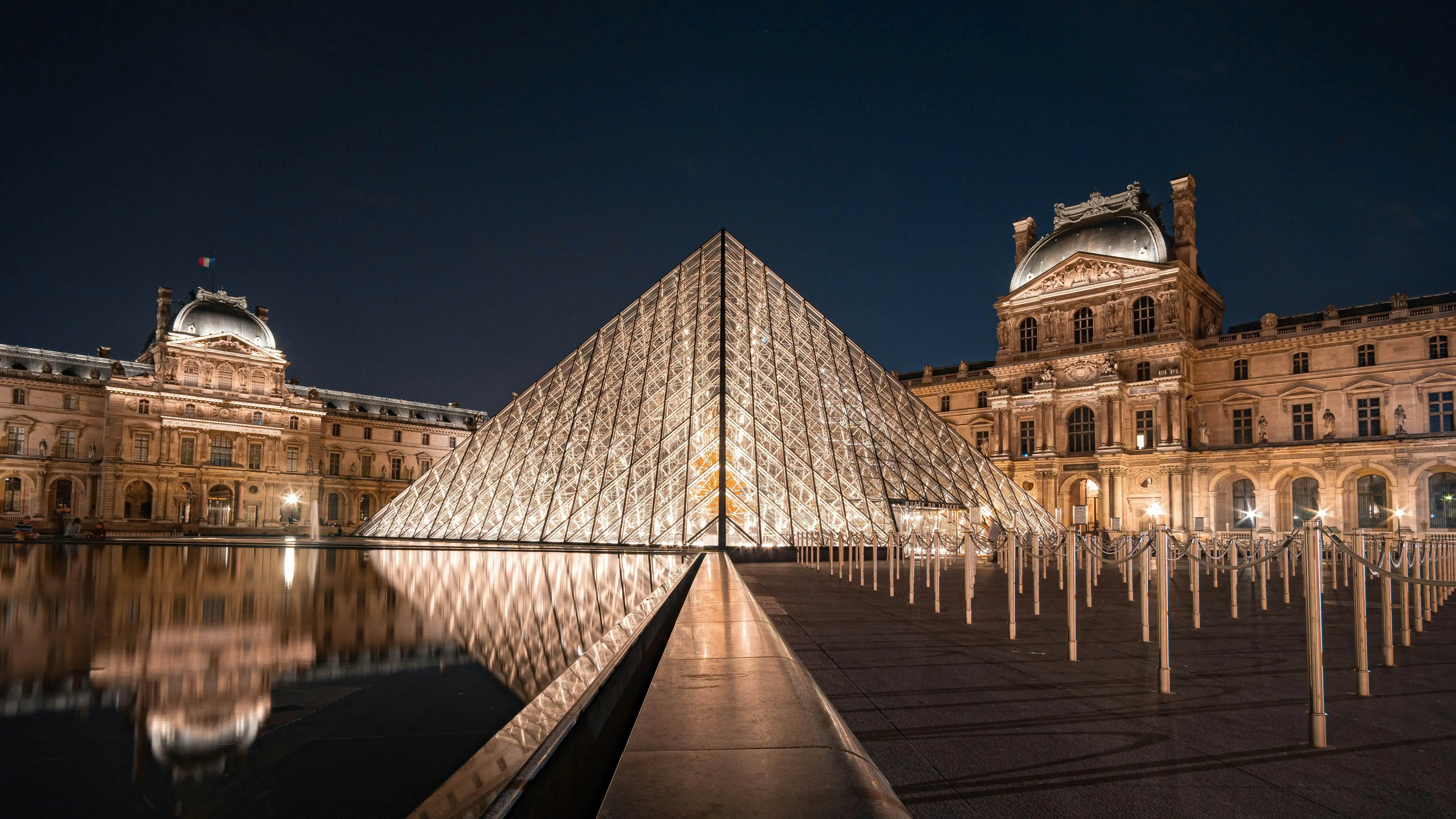
Paris is the most visited city on Earth. Approximately 50 million people per year. Dozens of guidebooks published annually. Hundreds of thousands of Instagram posts per day from the same angle of the same iron tower. The Louvre alone received 8.7 million visitors in 2024 — a number that would constitute the population of a significant nation.
And still, somehow, Paris is better than its reputation.
Not because the guidebooks are wrong about the Eiffel Tower or the Louvre or the croissants — those things are as good as advertised. But because the city keeps revealing itself past the obvious. The Marais on a Sunday morning before the galleries open. The Canal Saint-Martin in September when the light comes low through the plane trees and the locals are sitting on the quai with wine from the corner shop. The brasserie on a side street in the 11th where the steak frites costs €18 and the couple at the next table have been having the same argument since 1987 and are both still clearly enjoying it.
Paris has been defined, refined, and lived in for two thousand years, and it has arrived at a set of civic values — the long lunch, the correctly kept cheese counter, the opinion expressed without invitation, the specific pleasure of walking without a destination — that represent a genuine philosophy of how to inhabit urban space. The city doesn't apologize for these values or translate them for visitors. It simply embodies them and assumes you'll figure it out, which you will.
What Paris requires is time, walking shoes, and the willingness to let the day go slower than you planned. What it returns is disproportionate.

Getting to Paris
By Air — Two Airports, Two Completely Different Situations
Charles de Gaulle Airport (CDG) is Paris's main international hub, 34 km northeast of the city center in Roissy-en-France. It handles direct connections from virtually every continent — Air France, British Airways, Lufthansa, Emirates, Delta, American Airlines, United, Singapore Airlines, and most major global carriers operate through CDG. Three terminals serve different carriers; Terminals 1, 2, and 3 are connected by the free CDGVal shuttle. CDG is one of the busiest airports in Europe and can be operationally complex — allow more connection time than you think you need.
Paris Orly (ORY) is Paris's secondary airport, 18 km south of the city center, handling primarily European and some international routes. Easier to navigate than CDG, slightly closer to the city, and used by easyJet, Transavia, Volotea, and Air France domestic. If your routing offers a choice and you're staying on the Left Bank or in the south of Paris, Orly's logistics are often more straightforward.
By Train
Paris is the hub of France's high-speed rail network (TGV) and a major European Eurostar/TGV terminus. London St Pancras to Paris Gare du Nord by Eurostar: 2h 20min. Brussels to Paris: 1h 22min. Amsterdam to Paris: 3h 19min. Berlin to Paris Gare de l'Est: approximately 8 hours (improving). Lyon: 2 hours. Marseille: 3 hours. Bordeaux: 2 hours. Barcelona: 6h 25min. Milan: 7 hours.
Paris has seven major rail terminals serving different geographic directions — Gare du Nord (Eurostar, northern France, TGV to Belgium and Netherlands), Gare de l'Est (Germany, Alsace, Champagne), Gare de Lyon (Lyon, Marseille, Mediterranean, Italy), Gare Montparnasse (Brittany, southwest France, Spain), Gare Saint-Lazare (Normandy), Gare d'Austerlitz (central France, Spain overnight trains), Gare de Bercy (occasional overnight services). For travelers combining Paris with a broader European circuit, arriving and departing from different stations — and using the city's hotels as a base between train legs — is the most efficient structure.
Arriving at Paris Airports: What to Know
From Charles de Gaulle (CDG)
By RER B train: The main public transit option. Two RER B stations serve the terminals directly (CDG 1 for Terminal 1, CDG 2 for Terminals 2 and 3). Trains run every 6–15 minutes from approximately 4:50 AM to 11:50 PM. Journey times: Gare du Nord 35 minutes, Châtelet-Les Halles 40 minutes, Saint-Michel Notre-Dame 45 minutes. Ticket price: approximately €14 for a single trip. Buy from the white-and-blue vending machines at the airport station (labeled "Tickets Navigo Paris Île-de-France") — credit cards accepted. Important 2026 update: The RoissyBus shuttle retired permanently on March 1, 2026 after 34 years of service. If you have an older guide recommending it, that information is now outdated. The RER B is the primary public transit option from CDG. A CDG Express (non-stop direct train from CDG to Gare de l'Est) is scheduled to open in March 2027 — not yet operating at the time of this guide.
By private transfer: For families with luggage, business travelers, late-night arrivals, or anyone heading directly to a specific Paris hotel without carrying luggage through RER stations, a Kiwitaxi private transfer from CDG covers the full 34 km door to door. Fixed pricing, meet and greet in the arrivals hall, flight monitoring that adjusts for delays, and the ability to go directly to your hotel address rather than the nearest metro station. Typical journey time: 35–60 minutes depending on traffic.
From Orly (ORY)
By Orly Line (formerly Orlyval): The Orly Line connects Orly terminals to Antony station on the RER B, then continues to Paris center. The connection at Antony is quick and covered by a combined ticket. Total journey to Châtelet-Les Halles: approximately 35–40 minutes. Single ticket: approximately €13.
By Tram T7 + Metro: Tram T7 connects Orly to Villejuif-Louis Aragon on Metro Line 7. Cheapest option; takes approximately 50–60 minutes to central Paris.
By private transfer: Kiwitaxi covers Orly arrivals with the same fixed pricing and meet-and-greet service as CDG.

Getting Around Paris
Paris's public transport network — operated by RATP — covers the city with extraordinary density. The Métro (16 lines, 302 stations) and RER (regional express, crossing the city and connecting suburbs) form the backbone; trams and buses fill the gaps.
The 2025–2026 fare simplification: A significant restructuring of Île-de-France ticketing took effect January 1, 2025 and remains in place. Key points for visitors: The classic carnet of ten tickets has been phased out completely. The T+ ticket (single trip on metro or bus, valid 90 minutes for bus transfers) is the standard unit. Buy tickets via the Île-de-France Mobilités app (most convenient), via Navigo Easy card (reloadable, no personalization required, available at any metro station for €2), or from vending machines in stations. The Navigo Liberté+ card allows pay-as-you-go billing with automatic weekly fare capping.
For visitors spending a week or more, the Navigo Découverte weekly pass (Monday–Sunday) covers unlimited travel on Metro, RER within Paris, trams, and buses for approximately €30/week — by far the best value if you're using public transport more than twice daily. Requires a passport photo (print one in advance or use the photo booth in major stations).
Current T+ ticket price (2026): approximately €2.15 for a single metro or bus ride. Check the Île-de-France Mobilités website or app for exact current pricing before travel.
Walking: Paris is structured for walking in a way that makes the map distances feel shorter than expected. From the Louvre to Notre-Dame: 15 minutes. From Notre-Dame to the Luxembourg Gardens: 20 minutes. From the Marais to Bastille: 10 minutes. The Seine provides a consistent navigational reference; arrondissement numbers spiral outward from the center in a logical clockwise pattern once you understand the system. The Vélib' bike-share scheme covers the city with 1,400 stations — useful for medium distances across flat terrain (eastern Paris is largely flat; Montmartre, Belleville, and Butte-aux-Cailles involve genuine hills).

Best Time to Visit Paris
April to June is the finest window for most visitors — the chestnut trees bloom in late April, the city's outdoor café terraces reopen fully, the light in May is what painters have been trying to describe for centuries, and the tourist crowds haven't yet peaked to summer levels. Hotel prices are below August peaks. Bastille Day (July 14th) brings the finest evening fireworks in Europe, visible from much of the city.
September to October is the most sophisticated time to visit — the French rentrée (return from summer holidays) refills the city with Parisians, the cultural season restarts with new exhibitions and performances, the light on the Seine in October is extraordinary, and the summer tourist peak has retreated. The Paris Motor Show (alternating years) and Paris Fashion Week (September/October) add energy and hotel price pressure in specific weeks.
July and August is summer Paris — warm (25–30°C), with significantly fewer Parisians (many leave for August) and significantly more tourists. The queues at major museums are at their longest; the city's parks, riverbanks, and outdoor venues are at their most active. The Paris Plages (temporary beach installations along the Seine) run through August. Some smaller restaurants and shops close for August.
November to March is cold (5–10°C), sometimes grey, dramatically less crowded, and deeply rewarding for anyone who wants the museums, galleries, and restaurants without the queue management. December brings the Christmas markets on the Champs-Élysées and in various quarters, the illuminated shop windows of Haussmann department stores, and the specific beauty of Paris in evening winter light. January is the quietest and cheapest month of the year.

Paris by Arrondissement: Where to Stay and Why
Paris is divided into 20 arrondissements — administrative districts spiraling outward from the 1st (the Louvre area, geographic center) to the 20th (Belleville, Père Lachaise). Understanding the arrondissements gives you a mental map of the city's character before you arrive.
1st and 2nd — The Historic Center The Louvre, the Palais Royal, the Tuileries, Les Halles, and the passages couverts (covered arcades — the Galerie Vivienne and Galerie Colbert are the finest). Dense with history, centrally located, expensive, and genuinely extraordinary to walk through at any hour. Staying here places you at the museum-rich center of the city; finding restaurants that aren't primarily aimed at tourists requires walking a few streets in any direction.
3rd and 4th — Le Marais The most fashionable neighborhood in Paris for the past two decades and still earning it. Medieval lanes in the historic Jewish Quarter (Rue des Rosiers), the Place des Vosges (the oldest planned square in Paris, surrounded by arcaded red-brick buildings from 1612), the Musée Picasso, the Centre Pompidou at the western edge, and the contemporary gallery district of the upper Marais. The Marais is also Paris's most prominent LGBTQ+ neighborhood. On Sundays, when much of Paris closes, the Marais stays open. Come for the art galleries on Rue de Bretagne and Rue Debelleyme; eat at the falafel counters on Rue des Rosiers; find the brasseries that have been here since before the neighborhood was fashionable.
5th and 6th — The Left Bank The Latin Quarter (5th) — the Sorbonne, the Panthéon, the Jardin des Plantes, the Shakespeare and Company bookshop — and Saint-Germain-des-Prés (6th) — the literary café culture of Café de Flore and Les Deux Magots, the Musée d'Orsay at the western edge, the Luxembourg Gardens. The 6th is expensive and full of tourists during the day; at 9 PM, after the tour buses have left, the streets around Saint-Sulpice and the back lanes near the Odéon take on a different character entirely.
7th — The Eiffel Tower District The Eiffel Tower, the Champ de Mars, the Musée d'Orsay (technically in the 7th), the Hôtel des Invalides and Napoléon's tomb. Residential, grand, and expensive. Good for families who want proximity to the main sights; quieter than central Paris in the evenings.
8th — The Champs-Élysées The grand commercial avenue, the Arc de Triomphe, the luxury hotels of the Golden Triangle (Avenue Montaigne, Avenue George V), the Grand Palais and Petit Palais. Touristy along the main avenue; the side streets of the 8th hold some of Paris's finest restaurants and very little that caters to tourism.
9th — Opéra and the Grands Boulevards The Palais Garnier (the opera house that inspired Phantom of the Opera, open for tours and performances), the Galeries Lafayette and Printemps department stores, and the increasingly lively neighbourhood around Rue des Martyrs — the finest food street in Paris, a daily market of fromageries, boulangeries, wine shops, and traiteurs that constitutes a better tour of French food culture than most food tours.
10th — Gare du Nord and Canal Saint-Martin The arrondissement of Eurostar arrivals and one of the city's most interesting contemporary neighborhoods. Canal Saint-Martin runs from the Bassin de la Villette south through a neighborhood of independent bars, record shops, vintage clothing, and restaurants that have been generating the city's social energy for a decade. The quais along the canal on a warm evening are where young Paris actually lives.
11th — Oberkampf and Bastille The nightlife arrondissement — Rue Oberkampf, Rue de la Roquette, and the streets around Bastille hold the densest concentration of bars, music venues, and affordable restaurants in the city. The neighborhood has been interesting since the 1990s and has managed to stay interesting without becoming purely touristic. Place de la Bastille is the center of the July 14th celebrations.
18th — Montmartre The hilltop neighborhood above the 9th — Sacré-Cœur Basilica, the Place du Tertre with its portrait artists, the Moulin Rouge at the bottom of the hill, and the quieter streets east of the tourist center (Rue Lepic, the Abbesses area) that constitute the actual neighborhood rather than its postcard version. Montmartre is inevitably crowded during the day and worth staying in for the evenings when the day-trippers have descended.
20th — Belleville and Père Lachaise The 20th is Paris's most diverse arrondissement — a working-class neighborhood that has been absorbing immigrant communities for 150 years and whose street food, market culture, and independent restaurant scene reflect this honestly. Père Lachaise Cemetery, where Jim Morrison, Édith Piaf, Marcel Proust, and Oscar Wilde are buried, is one of Paris's most atmospheric and least crowded major sites. The Belleville panoramic viewpoint gives the finest free view over Paris available without climbing a tower.

Best Things to Do in Paris
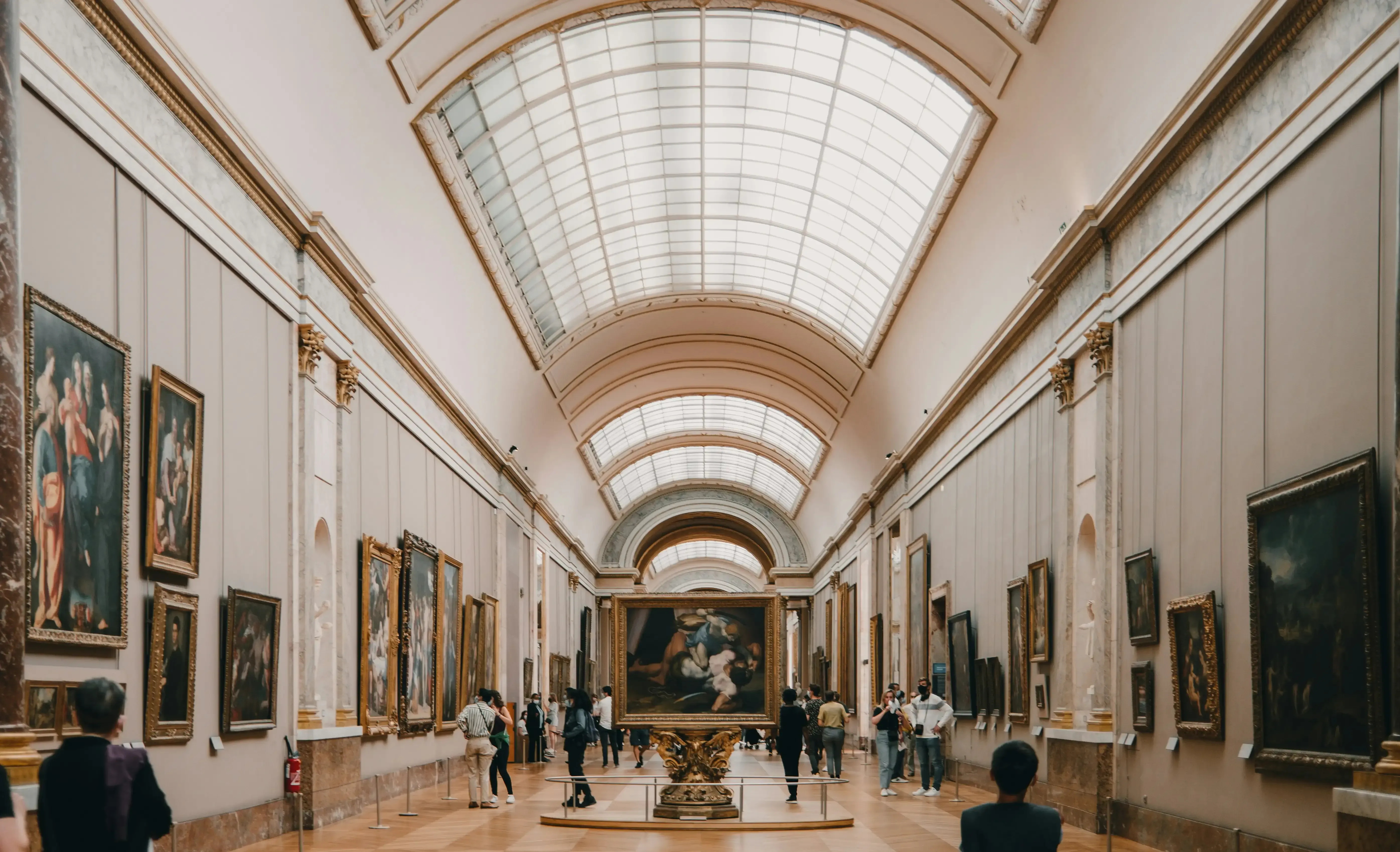
Visit the Louvre at Opening Time — and Have a Strategy The world's largest and most visited art museum requires more than enthusiasm — it requires a plan. The permanent collection covers 652,300 square feet across three wings and contains over 35,000 works. Nobody sees it all in a day; trying is how visitors end up exhausted and photographically overloaded. Choose one or two wings and cover them properly: the Denon Wing for Italian Renaissance (the Mona Lisa, Veronese's Wedding at Cana, Raphael, Botticelli), the Richelieu Wing for Dutch and Flemish (Vermeer, Rembrandt), or the Sully Wing for antiquities (the Venus de Milo, the Winged Victory of Samothrace). Book timed tickets in advance — the priority entrance queue is still significant in peak season, but significantly better than the standby line. Come when it opens at 9 AM on Wednesdays or Fridays (the late-opening nights until 9:45 PM are significantly less crowded than daytime).
See the Eiffel Tower at Night The Eiffel Tower was built as the temporary entrance arch for the 1889 World's Fair and was supposed to be dismantled after 20 years. Gustave Eiffel saved it by installing a radio transmitter at the top, making it useful to the military. The structure has been repainted in progressively darker shades of "Eiffel Tower Brown" seventeen times since construction, each time slightly darker to account for the sky color of Paris. These are interesting facts, but the essential one is simpler: the tower illuminates at night on the hour and half-hour with a sparkling light display that lasts five minutes, visible from the Trocadéro across the Seine and from the Champ de Mars below. Watching this from a picnic on the Champ de Mars with a bottle of wine bought at the corner shop is one of the finest free experiences Paris offers. Book summit access online in advance if you want to ascend; the queues for walk-up tickets are long year-round.
Spend a Morning at the Musée d'Orsay Housed in the Gare d'Orsay, a disused Beaux-Arts railway station on the Left Bank, the Musée d'Orsay holds the world's finest collection of Impressionist and Post-Impressionist art — Monet, Renoir, Degas, Manet, Cézanne, Van Gogh, Gauguin, Seurat, Toulouse-Lautrec, Klimt — in a building that is itself architecturally extraordinary. The Impressionist galleries on the fifth floor, with the clock faces of the original station on the wall above the entrance, are the destination within the destination. Come on Tuesday when it opens (it's closed Mondays) and arrives at 9:30 AM for the calmest version of the upper galleries. Book tickets online; the museum receives 3 million visitors annually.
Walk Notre-Dame's Rebuilt Interior Notre-Dame Cathedral reopened in December 2024 after five years of restoration following the April 2019 fire that destroyed the spire and much of the roof. The rebuilding used the original plans, medieval techniques where possible, and extraordinary craft — the new oak framework and lead roof covering represent the most significant medieval building restoration project of the 21st century. The interior is cleaner, brighter, and in certain respects more visually legible than before the fire, with the restoration revealing the original medieval stone color that centuries of candle smoke had darkened. Entry to the cathedral is free but timed tickets are required to manage visitor flow — book at notredamedeparis.fr before your visit.
Find the Palais Royal Gardens on a Weekday Morning The enclosed garden behind the Palais Royal — former home of Cardinal Richelieu, then of the Orléans family, then center of the revolutionary debates that preceded 1789 — is one of the finest spaces in Paris and one of the most overlooked. The colonnaded galleries surrounding the garden once housed gambling dens, revolutionary pamphlet printers, and the most libertine cafés in the city; now they hold antique dealers, specialist toy shops, and restaurants. The Daniel Buren striped columns that fill the courtyard on the southern side (installed in 1986, still controversial) are the most photographed element. Come at 8:30 AM before the garden fills, sit on the green metal chairs, and do nothing for 30 minutes. This is Parisian.
Eat Correctly Paris food culture has specific protocols that improve the experience substantially once understood. Breakfast (petit déjeuner) is a croissant or tartine at the counter of a café — standing, with an espresso or café crème, for €3–5. Lunch is the serious meal — a two-course formule (starter + main or main + dessert) at a non-tourist bistro costs €15–22 and represents the highest calories-per-euro ratio in French cuisine. Dinner is later than most visitors expect: kitchens typically open at 7:30 PM and the French don't arrive until 8:30–9 PM. A boulangerie croissant test is a useful heuristic for neighborhood quality — a croissant that uses real butter should be layered, slightly flaky, and smell of caramelized dairy. Anything that tastes of margarine is from an industrial supplier.
The relevant food geography: Rue des Martyrs (9th) for the finest food shopping street in Paris. Rue Montorgueil (2nd) for the most photogenic market street. The covered passages (2nd) for old-Paris atmosphere and specialist food shops. The Marais for falafel (L'As du Fallafel on Rue des Rosiers), Jewish bakeries, and the contemporary restaurant scene. The 11th for the best restaurant-per-euro ratio in the city.
Walk the Père Lachaise Cemetery The most atmospheric cemetery in Europe covers 110 acres of forested hilltop in the 20th arrondissement — 300,000 buried residents, 70,000 tombs, and the kind of October afternoon walk under copper-and-gold trees that makes "cemetery" feel inadequate as a description. The famous residents (Jim Morrison, Édith Piaf, Proust, Chopin, Molière, Wilde, Balzac, Delacroix) have clear signage; the actual pleasure is the less-signed sections where the 19th-century sculptural funerary art — elaborate stone structures, bronze medallion portraits, weeping figures — creates an outdoor sculpture museum nobody organized. Come on a weekday afternoon when the tour groups have dispersed.
See the Sainte-Chapelle Before 10 AM The 13th-century Gothic chapel on the Île de la Cité — built by Louis IX to house Christian relics including the Crown of Thorns — contains fifteen stained glass windows covering 600 square meters of wall space, telling 1,113 biblical scenes in a space so filled with colored light that visitors consistently describe it as entering a glass box. It is arguably the most visually extraordinary interior in Paris and is overshadowed by Notre-Dame next door. Tickets available online; come when it opens at 9 AM on clear mornings when the eastern light is full on the glass. The effect on overcast days is genuinely different — softer, more uniform — but the morning-sun version is the one that stops people mid-sentence.
Drink Wine on the Canal Saint-Martin The Canal Saint-Martin runs through the 10th and 11th arrondissements from the Bassin de la Villette south toward the covered canal under Place de la Bastille. The quais along the canal — lined with iron footbridges, locks that operate in slow industrial rhythm, and the specific plane tree shadow on the water that French cinema has used as a shorthand for Paris atmosphere for 80 years — fill on warm evenings with picnics. Bring wine from the Nicolas or Lavinia shop, bread from any boulangerie, cheese from the market, and sit on the stone quayside with everyone else who has figured out that this is free and better than most bar terraces.

Day Trips from Paris with Kiwitaxi
The Île-de-France region surrounding Paris is extraordinary in its own right — royal palaces, Impressionist painting locations, Champagne country, Gothic cathedrals, and the largest palace garden in Europe all within 90 minutes in various directions. Kiwitaxi's Chauffeur Hire covers all the main day trip routes from Paris with a dedicated driver, fixed pricing, and the flexibility to combine destinations that share a geographic direction.
Versailles — 45 minutes from Paris Louis XIV's palace of 700 rooms, 67 staircases, 2,000 windows, and the 800-hectare garden is the superlative statement of royal absolutism in architectural form. The Hall of Mirrors — 73 meters long, 357 mirrors, 20,000 candles when fully illuminated, site of the 1919 Treaty of Versailles — is the centerpiece, but the gardens, the Trianon palaces, and the Hameau de la Reine (Marie Antoinette's theatrical rural retreat) require a full day to explore properly. Take the RER C from Paris to Versailles Château station (40 minutes, €7 each way), or book a Kiwitaxi transfer for the most convenient door-to-door option. Book palace tickets far in advance — the site receives 15 million visitors annually.
Giverny and Monet's Garden — 1.5 hours from Paris Claude Monet lived and painted at Giverny for 43 years, designing the famous water garden (the lily pond, the Japanese bridge, the wisteria) that became the subject of his late series of Water Lily paintings. The garden is maintained to the painting period's condition and operates May through October. The experience of standing on the Japanese bridge over the water garden and recognizing it from the canvases that hang in the Orangerie in Paris — the Nymphéas panels, painted in the final decade of Monet's life — is one of those moments where art and reality collapse into each other in a way that's genuinely moving. By Kiwitaxi from Paris: approximately 1.5 hours. No direct train connection — the closest station at Vernon requires a connecting bus or taxi. A Kiwitaxi transfer covers the route directly.
Épernay and the Champagne Region — 1.5 hours from Paris The town of Épernay in the Marne Valley is the commercial center of the Champagne industry — the Avenue de Champagne runs 4 km through the town, flanked by the aging cellars of Moët & Chandon, Pol Roger, Perrier-Jouët, and a dozen other houses, with 28 million bottles aging underground at any given moment. Cellar tours and tastings run throughout the year; Moët & Chandon's tour is the most comprehensive; Pol Roger and Billecart-Salmon are more intimate. By TGV from Gare de l'Est to Épernay: approximately 1 hour 15 minutes. By Kiwitaxi Chauffeur: approximately 1.5 hours, with the flexibility to combine Épernay with Reims (30 minutes north, home of the Gothic cathedral where French kings were crowned) in a single day.
Fontainebleau — 1 hour from Paris The royal forest and palace 65 km south of Paris offer an alternative to Versailles's baroque grandeur — the Château de Fontainebleau has been a royal residence since the 12th century and contains the finest ensemble of Renaissance French interiors in the country, less visited and less crowded than Versailles. The surrounding Fontainebleau Forest — 25,000 hectares of sandstone formations, ancient oaks, and marked hiking trails — was the location of the Barbizon School of landscape painting in the 19th century and is now one of the finest forest hiking areas accessible from Paris. By RER D to Fontainebleau-Avon: approximately 40 minutes, then bus or taxi to the château. By Kiwitaxi: 1 hour direct.
Reims — 1 hour 25 minutes from Paris The city where Clovis was baptized in 498 AD and where French kings were crowned for a thousand years has one of the finest Gothic cathedrals in the world — the Cathedral of Notre-Dame de Reims, with its sculptural program of 2,300 figures on the three portals and the Chagall windows installed in 1974 in the axial chapel. The Palais du Tau (the archbishop's palace, now a museum holding the original cathedral sculpture) and the nearby Abbaye Saint-Remi complete the UNESCO-listed ensemble. Combine with Champagne tastings in Épernay (30 minutes south) for a full day. By TGV from Gare de l'Est: 45 minutes. By Kiwitaxi Chauffeur covering both Reims and Épernay: approximately 1h 30min from Paris.
Book your Paris day trip with Kiwitaxi Chauffeur Hire — fixed pricing, English-speaking drivers, and the flexibility to stop when the countryside or the cathedral earns it.

Paris on a Practical Note
Currency: Euro. Card payment is widely accepted in Paris — more so than in any previous decade, and increasingly even at smaller boulangeries and cafés. Carry €20–30 in cash for street markets, the occasional traditional café that prefers it, and public toilet fees in some locations.
Paris is expensive — significantly more so than five years ago. A café crème at a counter: €3–4. At a terrace on the Champs-Élysées: €7–9. A two-course formule lunch at a neighborhood bistro: €16–22. A Michelin-starred dinner: €90–200+ per person. Budget travelers who eat at the counter, use the markets, and picnic in the parks can manage very well on €50–80 per person per day excluding accommodation.
Etiquette: Say bonjour when entering any shop, café, or restaurant and merci, au revoir when leaving — even if you don't speak French otherwise. This is not optional courtesy; it's the minimum expected social contract. Failing to greet is considered rude rather than merely culturally ignorant. The effort to say bonjour and attempt any other French, however imperfectly, is received warmly and will change the quality of many interactions.
Strikes: French transport strikes are a documented reality. The RATP and SNCF both have established traditions of industrial action that can affect metro, RER, and train services. Check strike notices before travel, particularly during September–December which is the most active social movement season. Major disruptions are typically announced 48 hours ahead. Private transfers are unaffected by transit strikes — a practical note for airport departure days.
Pickpockets: Paris's tourist areas — particularly the Eiffel Tower, Sacré-Cœur, and Châtelet-Les Halles — have documented pickpocket activity, typically groups that create a distraction while others operate. Keep valuables in front pockets or inside zipped bags; be aware of anyone who approaches with a clipboard or petition; avoid the Eiffel Tower area scam involving "found gold rings." These are the predictable tourism scams of a very busy city; straightforward awareness prevents most of them.
Pharmacies: The French pharmacy (pharmacie, indicated by a green cross) is a first-line healthcare resource — pharmacists are medically trained and can advise on minor issues, prescribe over-the-counter treatments, and recommend appropriate next steps. Useful for minor ailments and far quicker than any other healthcare option.
Paris has been everything the photographs suggest for two thousand years and has no intention of stopping. The croissant is correct. The light on the Seine at 6 PM in September is correct. The particular satisfaction of sitting at a café counter with an espresso that was made with enough care to have a specific flavor — that is correct too. The city doesn't need your validation and offers it anyway. Come with time. Walk when you planned to take the metro. Eat longer than the schedule allows. Paris is better at its own pace than any pace you bring to it.
Best Picks for True Adventurers: Paris

Discover Paris: A Guide to Iconic Landmarks, Historic Cafés & Legendary Stores

Central Paris, France: The Ultimate Local Guide to Hotels, Food & Hidden Gems

More than the Eiffel Tower: Best Things to Do In Paris
Paris Travel Guide: Melissa’s Must-Do Experiences in the City of Light

Paris Food Guide: Eiffel Tower View Restaurants & Rooftop Dining

Paris on a Budget: Affordable Hotels, Shopping & Free Things to Do

Top Attractions Near the Eiffel Tower You Shouldn’t Miss
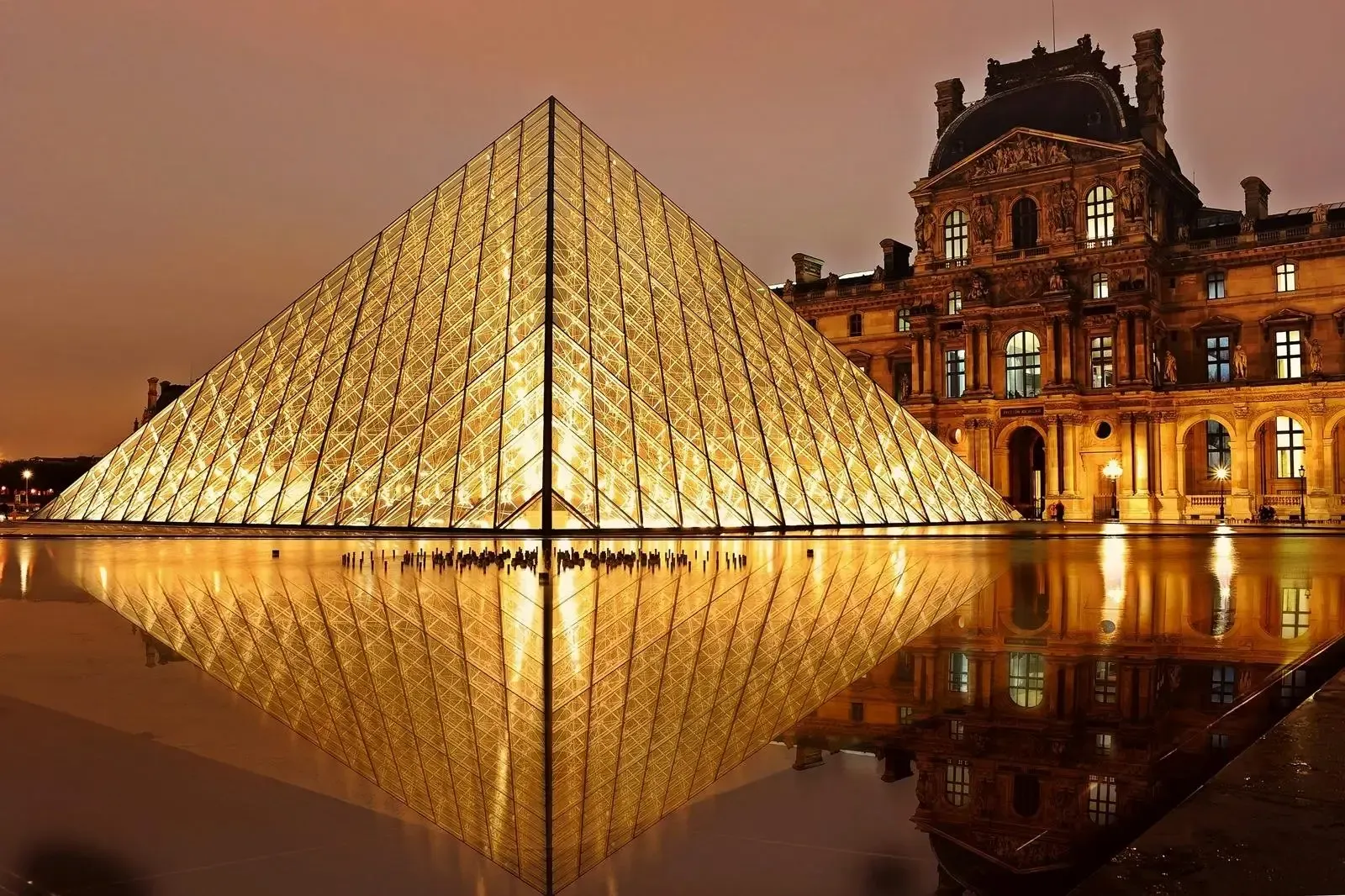
Planning a Romantic Trip to Paris? Explore the best hotels, Airbnbs, and activities for couples
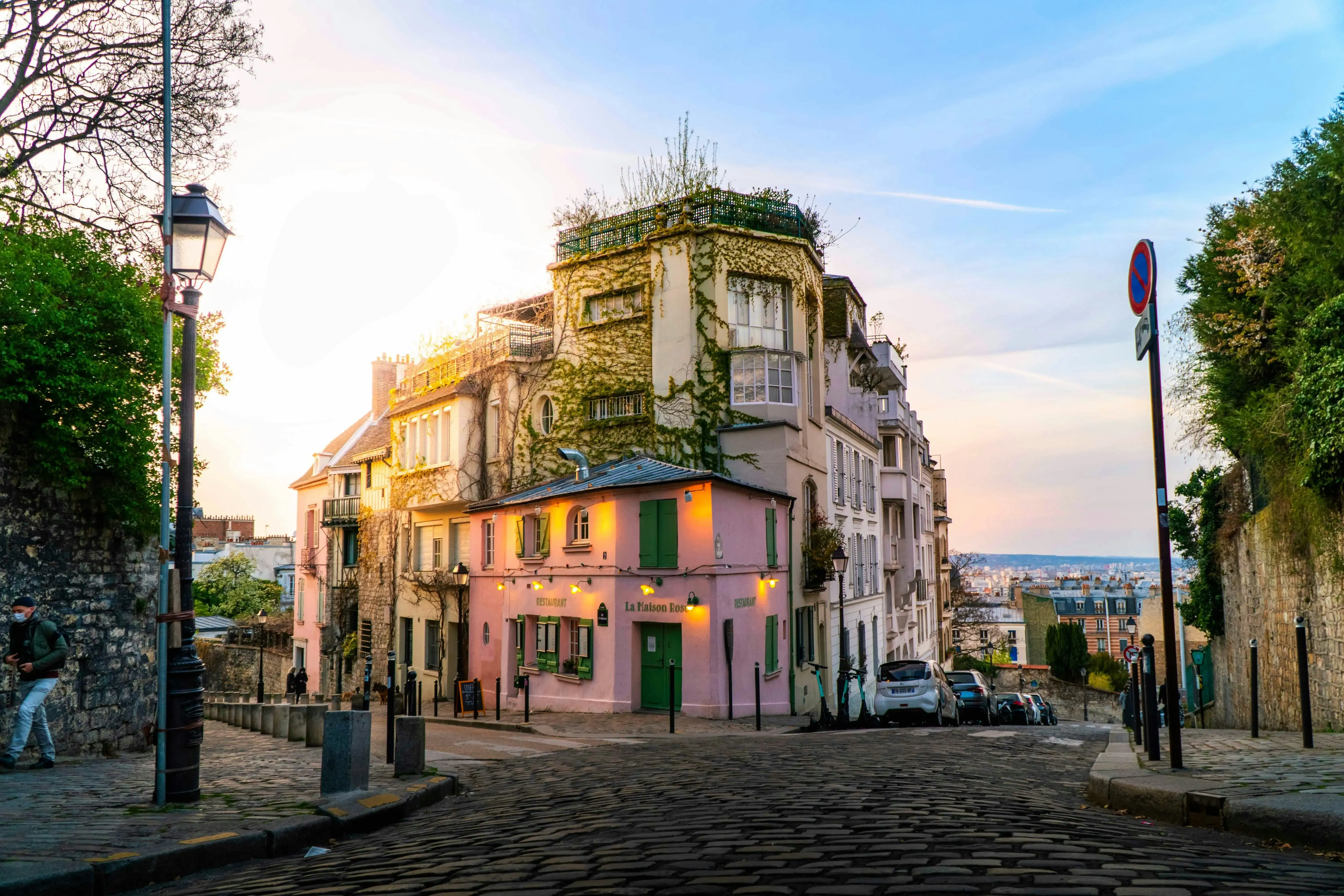
Where to Stay in Paris: Best Areas, Affordable Hotels & Eiffel Tower Stays
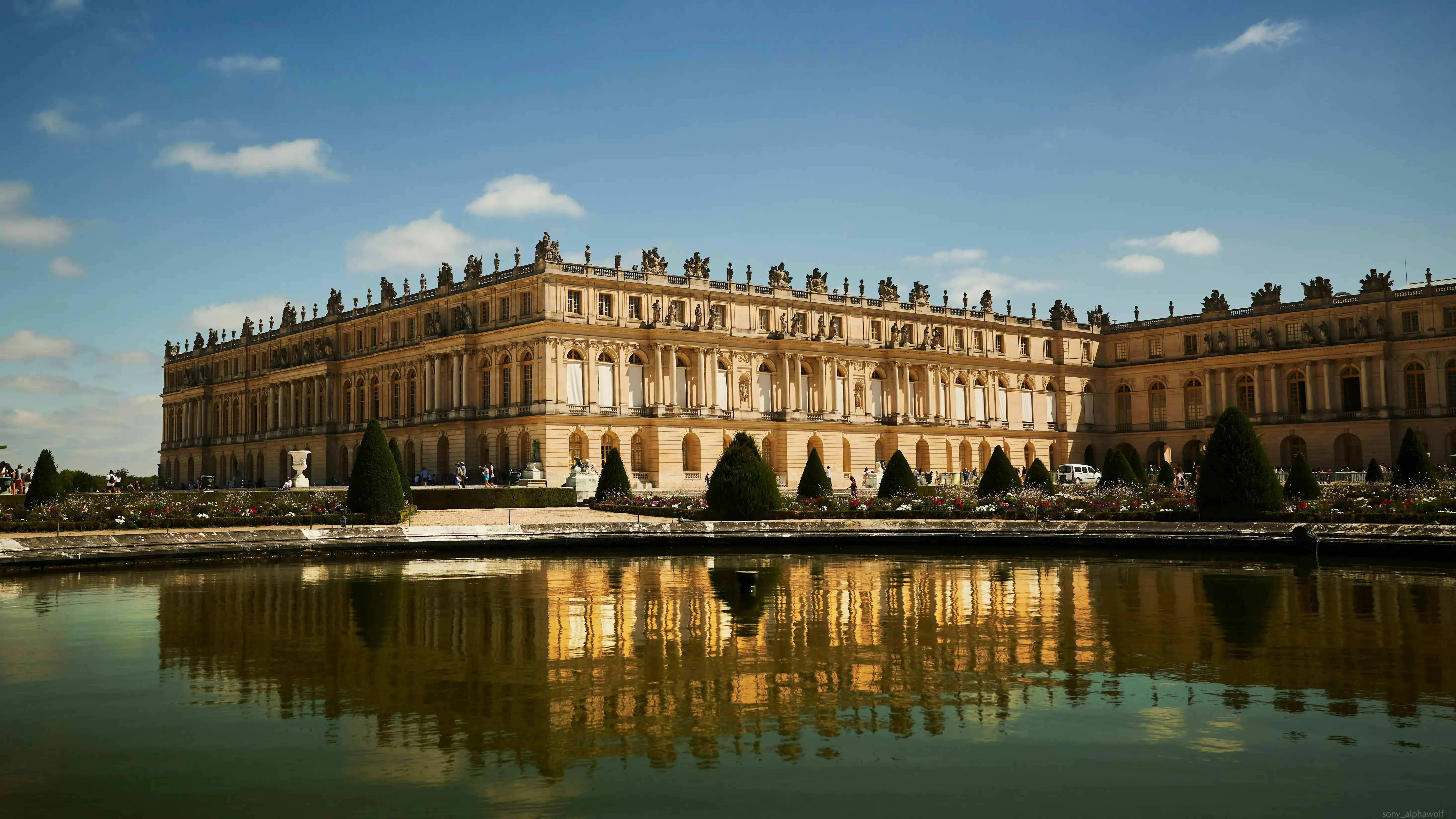
Day Trip from Paris to Versailles and the Loire Valley: Can You Do Both?
Visiting the Louvre Museum in Paris: Complete Guide for Travelers

How to Get from Paris to Disneyland (2026): Fastest, Cheapest & Easiest Ways (Times, Tickets, Tips)

How to Get from Beauvais Airport to Paris

How to Get from Beauvais Airport to Paris: Best Transport Options, Prices, Timetables & Pro Tips (2026 Guide)

Stade de France Transport: How to Get There from Paris City Center & CDG

How to Get from Paris Charles de Gaulle Airport to Eiffel Tower: Train, Bus, Taxi & Transfers

Landing in Paris? We’ll Be Waiting
Private transfer from the airport to your hotel - no stress, no hidden fees. Skip crowded taxi lines and book in advance.
Book a transferExplore All Guides
Barcelona Neighborhoods Guide: Where to Stay & What to Expect in Each Barrio
Discover Paris: A Guide to Iconic Landmarks, Historic Cafés & Legendary Stores

Osaka Travel Guide: Top Things to Do & Food Spots

First-Timer's Japan Handbook: 10 Essential Travel Tips + Etiquette FAQ

Rome in a Day & 3 Days in Rome: The Ultimate Itineraries for Every Traveler

Barcelona Airport to Gothic Quarter: Fastest Transfer Options, Prices & Travel Tips

Ultimate Japan Itineraries: Discover the Best of Japan in 7 or 14 Days
More than the Eiffel Tower: Best Things to Do In Paris

Best hotels in Albania: Tirana, Saranda, Vlorë & Durres

Rome: La Dolce Vita in Every Corner — travel guide by Olivia (@doinglifewithliv)

Barcelona Airport to Sagrada Família: Best Transfer Options, Prices & Travel Times
Paris Food Guide: Eiffel Tower View Restaurants & Rooftop Dining

18 Things You Need to Know Before Visiting Croatia

10 Unforgettable Day Trips from Rome, Italy: Ancient Towns, Best Beaches & Countryside Escapes
A Taste of Florence: Your Complete Food Guide

Best Day Trips from Milan with a Private Driver: Lake Como, Verona & Beyond

10 Best Holiday Alternatives to the Middle East for Spring 2026

Best Things to Do Around the Colosseum: Rome Attractions, Tours & Insider Tips

Barcelona vs Madrid: Which City Is Better to Visit in Spain?

Barcelona: Hidden Bites, Secret Sips & Sunshine Tips by Nancy Sevilla

Best eSIM for Japan 2026

Budapest Travel Tips: Beyond the Obvious

Best Hotels in Rome for Every Budget: Luxury, Boutique & Budget Stays

Cinque Terre Travel Guide: Best Villages & Trails

Best Wine Tours from Milan: Franciacorta, Valpolicella & Chauffeur Hire
Milan to Verona Day Trip with a Chauffeur

South Korea Travel Guide: Best Cultural, Beauty & Wellness Experiences in Seoul, Busan & Jeonju

Best Things to Do in Singapore: Food, Views & Hidden Gems

Free eSIM Trial: Where to Get Free Data

Hoi An Travel Guide: Hidden Gems, Spas & Local Experiences

Santorini Travel Guide: Sunsets, Cruises & Wine

3 Days in Northern Spain: Bilbao, the Cantabrian Coast & Santander

Best eSim for Europe: One Card for 30+ Countries

Best eSim for Mexico: Stay Connected on Your Trip

How to Get from Lisbon to Porto (2026): Train, Bus, Car, or Flight?

How to Get from London to Madeira: Complete Guide (2026)
How to Get from Beauvais Airport to Paris
Paris on a Budget: Affordable Hotels, Shopping & Free Things to Do

Top 12 Things to Do in Albania: Ultimate Travel Guide

Where to Stay in the Albanian Riviera: Best Hotels & Areas
Kyoto Travel Guide: Journey to the Heart of Old Japan

The Ultimate Hanoi Travel Guide: Local Tips, Street Food & Hidden Gems in Vietnam’s Capital

Private Chauffeur Service for Day Trips from Paris
Travel to Champagne, Versailles, Giverny, and beyond with a professional chauffeur and a car reserved just for you.
Book a chauffeur