'%3e%3cpath%20d='M43.073%200.00649261H15.0943V3.94346H43.073V0.00649261Z'%20fill='url(%23kiwitaxi-grad)'%20/%3e%3cpath%20d='M15.0828%203.94346C16.1928%203.94346%2017.0512%203.06513%2017.0512%201.97497C17.0512%200.874164%2016.1822%200.00649261%2015.0828%200.00649261C14.0362%200.00649261%2013.1379%200.851916%2013.1379%201.97497C13.1379%203.10916%2014.0478%203.94346%2015.0828%203.94346Z'%20fill='white'%20/%3e%3cpath%20d='M43.0614%203.94346C44.1715%203.94346%2045.0299%203.06513%2045.0299%201.97497C45.0299%200.874164%2044.1609%200.00649261%2043.0614%200.00649261C42.0149%200.00649261%2041.1166%200.851916%2041.1166%201.97497C41.1166%203.10916%2042.0265%203.94346%2043.0614%203.94346Z'%20fill='white'%20/%3e%3cpath%20d='M19.5921%2038.5052V39.828H23.1471V26.0491H19.5921V27.3446C18.895%2026.5789%2017.4549%2025.8841%2015.7339%2025.8841C11.8502%2025.8841%208.78975%2028.7578%208.78975%2032.939C8.78975%2037.1374%2011.8702%2039.9935%2015.7339%2039.9935C17.4938%2039.9935%2018.932%2039.2691%2019.5921%2038.5052ZM12.2892%2032.939C12.2892%2030.5715%2013.929%2029.1912%2015.9819%2029.1912C18.0106%2029.1912%2019.5647%2030.5845%2019.5647%2032.939C19.5647%2035.2579%2017.9768%2036.6869%2015.9823%2036.6869C13.9596%2036.6869%2012.2892%2035.264%2012.2892%2032.939Z'%20fill='white'%20/%3e%3cpath%20d='M44.7174%2026.0496H41.4289V39.8281H44.7174V26.0496Z'%20fill='white'%20/%3e%3cpath%20d='M32.2183%2035.7001L29.3455%2039.8281H24.94L30.044%2032.8552L25.1624%2026.0496H29.7075L32.3295%2029.8985L35.035%2026.0496H39.4405L34.5599%2032.7435L39.6361%2039.8281H35.1189L32.2183%2035.7001Z'%20fill='white'%20/%3e%3cpath%20d='M3.34504%2022.9604V26.0496H7.4039V29.0939H3.34504V34.2781C3.34504%2035.9866%204.33971%2036.7008%205.955%2036.7008C6.54504%2036.7008%207.16659%2036.5766%207.63241%2036.235V39.4341C7.04237%2039.7757%206.14133%2039.9931%204.89915%2039.9931C1.8243%2039.9931%200.0226746%2038.1293%200.0226746%2034.9298V22.96H3.34504Z'%20fill='white'%20/%3e%3cpath%20d='M36.2094%208.57428L33.307%2016.8723L30.43%208.57428H27.7621L24.8597%2016.8723L21.9828%208.57428H18.4884L23.2157%2021.4188H26.5037L29.084%2014.4093L31.6629%2021.4188H34.951L39.6782%208.57428H36.2094Z'%20fill='white'%20/%3e%3cpath%20d='M44.7174%208.57381H41.4289V21.4188H44.7174V8.57381Z'%20fill='white'%20/%3e%3cpath%20d='M16.7387%208.57381H13.4502V21.4188H16.7387V8.57381Z'%20fill='white'%20/%3e%3cpath%20d='M11.7001%208.57382L6.07922%2014.1326L12.1622%2021.4188H8.05929L3.92163%2016.28L3.3455%2016.8538V21.4188H0.0226746V3.94299H3.3455V12.7574L7.59764%208.57382H11.7001Z'%20fill='white'%20/%3e%3c/g%3e%3cdefs%3e%3clinearGradient%20id='kiwitaxi-grad'%20x1='15.0945'%20y1='1.97497'%20x2='43.073'%20y2='1.97497'%20gradientUnits='userSpaceOnUse'%3e%3cstop%20stop-color='%2300D2CD'%20stop-opacity='0'%20/%3e%3cstop%20offset='1'%20stop-color='%2300D2CD'%20/%3e%3c/linearGradient%3e%3cclipPath%20id='kiwitaxi-clip'%3e%3crect%20width='46'%20height='40'%20fill='white'%20/%3e%3c/clipPath%3e%3c/defs%3e%3c/svg%3e)


Tokyo gets the reputation. Osaka gets the meals.
Japan's third-largest city operates on a different frequency from the capital — louder, warmer, more direct, considerably less interested in formality, and more interested in whether you've eaten enough. The concept is kuidaore: a local philosophy that translates roughly as "eat yourself into ruin," implying that spending recklessly on good food is not a character flaw but a civic virtue. The phrase originated in Osaka. So did takoyaki, okonomiyaki, and the cultural framework that elevated street food to a matter of civic pride.
Osaka's people — Osakans — have a specific national reputation within Japan for being the warmest, funniest, and most gastronomically serious population in the country. The Osaka comedy tradition (manzai — a fast-paced two-person routine of straight man and fool) predates the modern entertainment industry by several centuries. The local greeting "Moukarimakka?" (roughly, "are you making money?") treats commerce and pleasure as equivalent civic goods. When a stranger sits down next to you at a counter and starts talking about what you should order, this is normal and probably correct advice.
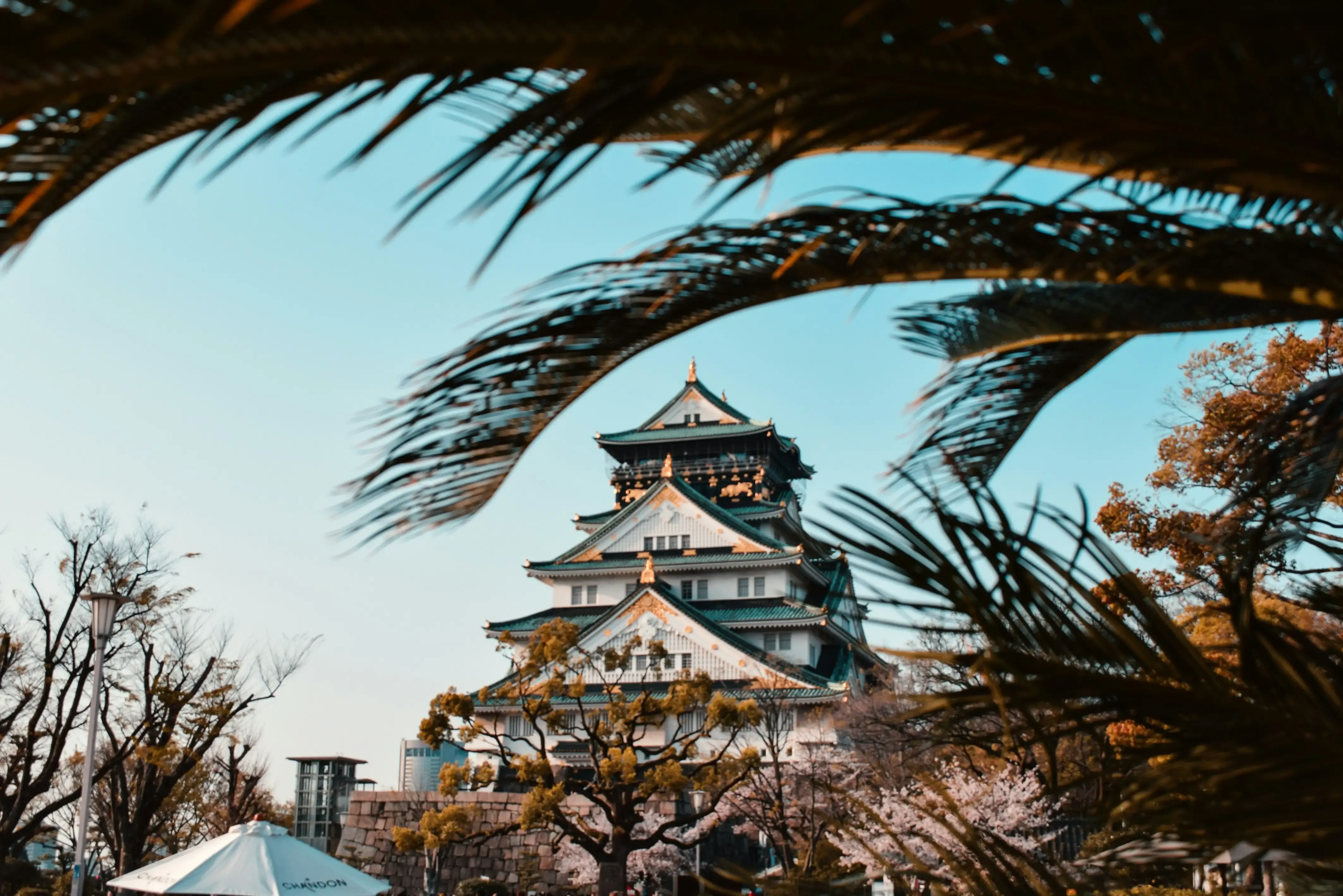
The city itself is built around the Dotonbori canal — neon-lit, loud, lined with enormous mechanical crabs and fugu and the reclining chef of Kuidaore Taro — and extends north through the covered shopping arcades of Shinsaibashi and the department store labyrinths of Umeda, and south through the retro district of Shinsekai toward the ancient forest of Sumiyoshi-taisha. Above it all, Osaka Castle sits on its stone base and has been rebuilt twice and still manages to be magnificent.
Tokyo will impress you. Osaka will feed you. The difference is significant.

Getting to Osaka
By Air — Two Airports, Different Purposes
Kansai International Airport (KIX) is the main international hub for the Kansai region, built on an artificial island in Osaka Bay approximately 50 km from central Osaka. Direct international connections arrive from across Asia, the Middle East, Europe, North America, and Oceania. Japan Airlines, All Nippon Airways, Peach, Jetstar Japan, Korean Air, Cathay Pacific, Singapore Airlines, Emirates, Finnair, and most regional Asian carriers operate through KIX. The airport is modern, well-organized, and architecturally significant — Renzo Piano's terminal building sits on the artificial island like a long steel wave.
Osaka Itami Airport (ITM) is the domestic airport, 15 km north of central Osaka. It handles domestic routes from Tokyo (Haneda, Narita), Sapporo, Fukuoka, Okinawa, and other Japanese cities. The proximity to central Osaka makes Itami significantly more convenient than KIX for domestic arrivals — 25–40 minutes to Umeda versus 40–60 minutes from KIX.
Expo 2025 infrastructure note: The international exposition held in Osaka October 2024–October 2025 prompted significant transport and hotel infrastructure investment. The improvements — expanded Namba and Shin-Osaka station facilities, increased airport connection frequency, additional hotel supply — remain in place for 2026 visitors without the Expo crowds.
By Shinkansen Osaka's Shin-Osaka station is the western terminus of the Tokaido Shinkansen from Tokyo — Japan's original bullet train line, running since 1964. Tokyo to Osaka by Nozomi (fastest service): 2 hours 30 minutes. Kyoto to Osaka: 15 minutes. Hiroshima to Osaka: 1 hour 20 minutes. The Japan Rail Pass covers travel on most Shinkansen services (excluding Nozomi and Mizuho) — if you're doing a multi-city Japan itinerary, the pass mathematics often work in Osaka's favor as a base city.
Arriving at Kansai International Airport: What to Know
KIX has two domestic terminals and one main international terminal. The airport train station is a short walk from the international arrivals exit, clearly signed.
By Private Transfer: The most convenient option for groups, families, late-night arrivals, or travelers heading directly to specific hotel addresses. Taxi from KIX to central Osaka: approximately ¥15,000–20,000 (USD 100–130). The distance and cost make taxi the premium option for those where convenience outweighs economics. A Kiwitaxi private transfer from KIX covers the full 50 km door-to-door with meet and greet in arrivals, fixed pricing, and flight monitoring — useful particularly for late arrivals when train options become limited (last Nankai Rapi:t to Namba departs around 11 PM).
By Nankai Rapi:t (Limited Express to Namba): The fastest and most stylish option for travelers heading to Namba or the Dotonbori area. The Rapi:t's distinctive black iron robot-like design is one of the most recognizable trains in Japan. Namba in 35 minutes, departing every 30 minutes from approximately 6 AM to 11 PM. Cost: ¥1,520 e-ticket (buy through Klook or the Nankai website in advance; significantly easier than navigating the ticket machine on arrival). Seat reservation is mandatory. This is the default recommendation for travelers staying in Namba, Shinsaibashi, or anywhere in southern Osaka.
By Nankai Airport Express (to Namba): The same railway company, same destination, slower timing (45–50 minutes) at a lower price (¥970). No reserved seating — can be crowded with luggage during peak periods but serves perfectly well outside rush hours. Good budget option.
By JR Haruka Limited Express (to Tennoji and Osaka/Umeda/Shin-Osaka): The Japan Railways option for travelers heading to Tennoji, central Osaka (Osaka Station, Umeda area), or continuing to Kyoto. Foreign visitor discount tickets available (Haruka 1-Way Ticket): ¥1,300 to Tennoji, ¥1,800 to Osaka Station or Shin-Osaka. Buy in advance on the JR-West Online Reservation website, at ticket counters, or via Klook. Journey times: Tennoji 30 minutes, Osaka Station 47 minutes, Shin-Osaka 50 minutes. The JR Pass (national or JR West regional) covers Haruka travel with free seat reservation.
By Limousine Bus: Air-conditioned coaches run from KIX Terminal 1 and 2 directly to Osaka Station (Umeda), Namba (OCAT), Shinsaibashi, USJ, and Tennoji. Journey time: approximately 45–65 minutes depending on destination and traffic. Cost: approximately ¥1,500–1,800. Good for travelers with significant luggage heading to specific hotel areas not served directly by the train stations.
From Itami Airport (ITM): Significantly closer to central Osaka. Osaka Monorail to Hotarugaike (15 minutes), then Hankyu Line to Umeda (20 minutes) — total approximately 35–45 minutes. Limousine bus direct to Osaka Station (Umeda): approximately 25–30 minutes, ¥650. Private transfer from Itami to central Osaka: approximately ¥5,000–8,000, 25–40 minutes depending on destination.

Getting Around Osaka
Osaka's subway (Osaka Metro) is the primary way to navigate the city — eight lines covering the main urban areas, well-signed in English and Japanese, clean, reliable, and running from approximately 5 AM to midnight.
The essential lines: The Midosuji Line (Red, M) is the north-south backbone — runs from Shin-Osaka in the north through Umeda, Shinsaibashi, Namba, and Tennoji. Every major tourist destination sits on or near this line. Learn the Midosuji Line and you have the city's geography.
The Tanimachi Line (Purple, T) runs parallel slightly east — useful for Osaka Castle, Tennoji, and the Kyobashi area.
The Yotsubashi Line (Blue, Y) runs parallel to Midosuji on the west side — good for Namba from the JR Namba direction and America-mura.
Fares and cards: Single metro rides cost approximately ¥180–380 depending on distance. The ICOCA card (the JR West version of the Suica) or Suica from Tokyo work throughout Osaka — tap in, tap out, fare deducted automatically. Works on Osaka Metro, JR trains throughout the city, and most private railways. Recharge at any station. This is the default recommendation for a week in Japan.
The Osaka Amazing Pass: For tourists doing multiple paid attractions in a single day — unlimited metro rides plus free or discounted entry to 40+ facilities including the Umeda Sky Building, Osaka Castle, and Tempozan Ferris Wheel. Available for 1 day (¥3,000) or 2 days (¥4,000). Useful if your itinerary is attractions-heavy; less so for food-focused or neighborhood wandering days.
Walking: Osaka's central areas are compact enough to walk between. Namba to Shinsaibashi: 10 minutes. Shinsaibashi to Umeda: 25 minutes (or one metro stop). The covered shotengai (shopping arcades) — particularly Shinsaibashi-suji and Tenjinbashisuji (Japan's longest shotengai at 2.6 km) — allow extended walks regardless of weather.
Cycling: Docomo Bike-Share stations are scattered throughout the city. Registration through the app; approximately ¥220 per 30-minute ride. Useful for exploring neighborhoods like Nakazakicho, Kitahama, and Temma that are interesting to move through slowly.
Best Time to Visit Osaka
March to May — Cherry Blossom and Spring Osaka's cherry blossom season typically peaks in late March to early April, and the city has specific locations that earn the journey: Osaka Castle Park, where approximately 3,000 cherry trees surround the stone walls and moat, is one of Japan's finest hanami (flower-viewing) locations. Sakuranomiya Park along the river. The Kema Sakuranomiya stretch. Book accommodation 3–4 months ahead for peak bloom week — hotel inventory in Osaka tightens significantly, particularly in March/April.
September to November — Autumn Temperatures drop to 18–24°C, summer humidity retreats, and the city enters its cultural peak season. Osaka's temples and castle take on the specific quality that Japanese autumn photography was invented to capture. Less crowded than cherry blossom season. The Tenjin Matsuri festival (late July, technically summer) is one of Japan's three largest — if you can manage the heat, the river boat procession and evening fireworks are extraordinary.
June to August — Summer Hot (30–35°C) and intensely humid — Osaka's summer is not for the temperature-sensitive. The kakigori (shaved ice) shops and cold ramen make cultural sense by July. The Osaka summer festival calendar is the fullest of the year. Accommodation prices are moderate outside major festival dates.
December to February — Winter Cold (5–10°C) but manageable, significantly fewer tourists, and the osechi (New Year's cuisine) season that gives Osaka's food scene its most traditional expression. The illuminations at Namba Parks, Umeda Sky Building, and Osaka Castle are the city's version of Christmas lighting. January brings the hatsumode shrine visit tradition; Sumiyoshi-taisha fills with the entire city for the first days of the year.

Osaka's Neighborhoods
Dotonbori and Namba — The Heart of Everything The canal district and the commercial center to its south constitute what most visitors picture when they think of Osaka. The Glico Running Man illuminated sign (a symbol since 1935), the giant mechanical Kani Doraku crab turning above the canal, Hozenji Yokocho (a narrow moss-covered alley with two restaurants that have been operating since the 1950s alongside the Fudo-myo-o temple statue perpetually doused in ladles of water), and the covered Namba Nankai arcade all concentrate here in a density of commercial energy that is simultaneously overwhelming and entirely Osaka. The canal itself is best at night, when the neon reflects on the water and the takoyaki sellers are at full cry.
Shinsaibashi — Shopping and the America-Mura North of Namba, the Shinsaibashi-suji covered arcade runs for 600 meters between Dotonbori and Nagahori — mainstream retail, international brands, cosmetics shops, and the specific lively density of a covered commercial street that has been running on this footprint for 400 years. East of the arcade, the Amerika-mura (America Village) is Osaka's youth culture district — vintage clothing, streetwear, record shops, and the small triangular park where the city's youth congregate in the afternoon.
Umeda — The Northern Hub The main business and transport hub of Osaka — Osaka Station (JR), Umeda Station (private railways), and the deepest underground shopping complex in Japan (Umeda Chika Shopping Mall, a maze of corridors under the station area that gets visitors legitimately lost in ways that feel more intentional than accidental). The Umeda Sky Building, with its two towers connected by a midair observation deck, gives the finest panoramic view of the city. Hankyu Umeda department store and Daimaru cover the luxury retail. Grand Front Osaka, the mixed development north of the station, holds some of the city's best mid-range restaurants.
Shinsekai — Retro Osaka The "New World" neighborhood built in 1912 to replicate the glamour of Paris (south section) and New York (north section) now looks like neither city in the best possible way — a scruffy, charming, unchanged grid of kushikatsu restaurants, pachinko parlors, and the Tsutenkaku Tower (modeled on the Eiffel Tower, rebuilt in 1956, and now an icon in its own right). This is where to eat kushikatsu — skewers of deep-fried meat and vegetables in breadcrumbs, served with a communal dipping sauce (double-dipping strictly prohibited; a rule enforced with visible signs in every establishment). The night atmosphere of Shinsekai, with its retro neon signs and the smell of deep-frying oil, is the most specifically Osakan experience available.
Nakazakicho — The Creative Village The neighborhood northwest of Tenjinbashisuji market has preserved its 1950s wooden townhouse architecture while filling the interiors with independent cafés, galleries, vintage clothing stores, and the specific kind of creative business that arrives when rents are low and atmosphere is high. Nakazakicho functions as Osaka's neighborhood that requires no itinerary — walk the lanes, stop wherever looks interesting, and find breakfast at one of the cafés that takes its single-origin coffee with appropriate seriousness.
Tennoji — Where Osaka's History Is The area around Tennoji Station and the Shitennoji Temple (founded in 593 AD, the oldest government-commissioned temple in Japan, rebuilt repeatedly and currently in 7th-century architectural form) is where Osaka's antiquity is most visible. The Tennoji Zoo, the Osaka Municipal Museum of Art, and the Tsutenkaku Tower in adjacent Shinsekai make this the most concentrated half-day of historical and cultural content in the city. Abeno Harukas — Japan's tallest skyscraper at 300 meters — gives the ultimate aerial perspective.
Fukushima and Tenma — After-Work Osaka The two neighborhoods beloved by Osakans for the izakaya (Japanese-style pub) culture that defines the city's after-work social life. Fukushima, across the Dojima River from Umeda, has been the restaurant destination of the city's most food-serious residents for a generation — the streets around Fukushima Station hold Japanese restaurants of unusual quality at prices significantly below the tourist areas. Tenma, further east along the river, is the market and pub culture neighborhood — the Tenma covered market, the shotengai of Tenjinbashisuji running north from here, and the narrow alley izakaya that fill from 6 PM on weekday evenings.

Best Things to Do in Osaka
Eat Takoyaki from the Source Takoyaki — golf ball-sized wheat batter balls with a piece of octopus inside, cooked on a specialized dimpled iron griddle, topped with brown sauce, Japanese mayonnaise, dried bonito flakes, and dried green seaweed — was invented in Osaka in 1935 by a street vendor named Tomekichi Endo on the site of a now-famous stand near Osaka Castle. The city has approximately 4,000 takoyaki outlets. The correct format is to buy them in multiples of six from a counter, eat them immediately (hot enough to cause minor mouth burns, which is expected), and evaluate the shell-to-interior texture ratio seriously. Wanaka in Namba, Aizuya (claiming to be the original location), and the stands in Dotonbori all have their advocates. The ones in the basement of department stores are consistently good.
Walk Dotonbori at Night The canal district after 9 PM — when the neon is fully activated, the restaurant façade illuminations are competing for attention, and the crab is rotating — is the most concentrated sensory experience in Osaka and one of the finest examples of commercial urbanism operating at full intensity anywhere in Japan. Don't try to do anything specific. Walk the canal, eat something from a vendor, stand on the Ebisu Bridge (the most photographed bridge in Osaka) and watch the city do what it does.
Try Okonomiyaki Made Correctly The Osaka-style okonomiyaki — the savory pancake of wheat batter, shredded cabbage, and your choice of additions (pork, seafood, cheese, mochi) cooked on a teppan griddle and topped with the same sauce, mayonnaise, bonito, and seaweed as takoyaki — is the dish that Osakans will defend against Hiroshima's competing version with more civic passion than most cities bring to their founding myths. The distinction matters: Osaka-style mixes all ingredients into the batter; Hiroshima-style layers them. Neither is wrong; the Osakan version is the original and correct answer in Osaka. Chibo in Dotonbori, Fukutaro in Namba, and the restaurants in the Hozenji Yokocho area cook with appropriate seriousness.
Visit Osaka Castle at Dawn The 16th-century castle built by Toyotomi Hideyoshi — who came from nothing to unify Japan in the late 1500s, a story of ambition and ultimate tragedy that the castle encodes in its scale — rises above Osaka Castle Park with an interior museum that covers the period's history in considerable depth. The exterior and surrounding moat and walls are the finest part; the interior is modern (elevator included, as previously mentioned; the Japanese are practical about historic site accessibility). Come before 8 AM when the park opens but the tourist coaches haven't arrived — the stone walls and cherry trees or autumn maples in the surrounding park are at their most photogenic in early morning light.
Eat a Full Breakfast at Kuromon Ichiba Kuromon Ichiba — the "Osaka's Kitchen" market on the edge of Namba — has been supplying restaurants and residents with fish, seafood, produce, and prepared foods since 1822. The market opens early and is at its most energetic between 8 and 11 AM. The otoro tuna, the live sea urchin (consumed directly from the shell at the stall with a spoon), the grilled scallops, the tamagoyaki rolled omelette — eating your way down the two covered aisles constitutes a better introduction to Osaka's food philosophy than any organized tour. Budget approximately ¥2,000–4,000 for a genuine breakfast.
Go to the Top of Umeda Sky Building The Floating Garden Observatory at 170 meters connecting the two towers of the Umeda Sky Building is one of Osaka's most vertigo-inducing architectural experiences — an open-air rooftop on the 39th floor, accessed by a glass escalator climbing between the towers, with 360-degree views over the city, Osaka Bay, and on clear days, the hills of Kyoto. Come at dusk for the transition from day to night city. The transparent glass walkway on the outer rim is the section that tests anyone's relationship with heights. Entry approximately ¥2,000.
Spend a Night in an Izakaya The Japanese pub-restaurant is not an experience unique to Osaka, but Osaka's izakaya culture — particularly in Fukushima and Tenma — is where the format reaches its most characteristically Osakan expression. The rule is to order drinks first, then small dishes continuously throughout the evening as the mood requires: edamame, yakitori, karaage chicken, grilled fish collar, tofu in dashi broth, pickled vegetables, cold tofu with bonito. A typical evening of three to four hours across three or four dishes each runs approximately ¥3,000–5,000 per person including drinks. Arrive at 6:30 PM for the early crowd; arrive at 8:30 PM for the late crowd that stays until midnight.
Visit Sumiyoshi-taisha The oldest Shinto shrine in Osaka — founded, according to tradition, in the 3rd century — sits in the southern residential neighborhoods about 20 minutes south of Tennoji by subway. The shrine complex's distinctive architecture (a style called sumiyoshi-zukuri unique to this shrine complex) predates the influence of mainland Asian temple design and represents the oldest surviving architectural tradition in Japanese religious building. The arched stone bridge (Sori-bashi) over the pond is Osaka's most photographed bridge that isn't in Dotonbori. Come on a weekday morning when the shrine has space to be itself.
Eat Ramen at 1 AM in Namba Japan's ramen culture is the subject of sufficient international coverage that its quality needs no restatement here. Osaka's specific contribution — Osaka ra-men — tends toward tori paitan (rich chicken white soup) and the Osaka-specific sosu yakisoba (sauce-fried noodles that function as ramen's terrestrial cousin). The ramen shops clustered in Namba's late-night streets and in the Shinsaibashi alleys between midnight and 3 AM, when the city's second population — the people who work the restaurants and bars of the entertainment district — comes off shift, constitute a specific and excellent subculture of the Osaka food world. Order at the vending machine at the entrance, hand the ticket to the counter, wait 4 minutes.

Day Trips from Osaka
Osaka's central position in the Kansai region puts an extraordinary concentration of day trip options within a short rail journey — more historic cities per square kilometer than anywhere else in Japan, arguably in Asia. The Shinkansen and regional rail network handles most of these routes efficiently; for visitors who want to combine multiple stops or reach specific sites not directly served by stations, Kiwitaxi's Chauffeur Hire covers the full Kansai region with a dedicated driver and fixed pricing.
Kyoto — 15 minutes by Shinkansen, 35–75 minutes by limited express or local Japan's former imperial capital and the city that contains approximately 2,000 temples, shrines, and historic structures, more than any city outside Europe in a comparable area. Fushimi Inari (the 10,000 torii gate mountain), Arashiyama Bamboo Grove, Kinkaku-ji (the Golden Pavilion), Gion (the geisha district, most atmospheric in the early morning before 8 AM or the evening after 6 PM), the Philosopher's Path, Nijo Castle — Kyoto rewards multiple visits and a willingness to move slowly. The Shinkansen Nozomi from Shin-Osaka reaches Kyoto in 15 minutes. The Hankyu Line from Umeda reaches Kawaramachi in central Kyoto in 47 minutes for ¥410 — the most economical option for Gion and the east side of the city.
Nara — 45 minutes from Osaka The first permanent capital of Japan (710–794 AD) is famous internationally for the free-roaming deer in Nara Park — approximately 1,300 deer that have been considered sacred since the 8th century and wander the park, the temple precincts, and occasionally the surrounding streets with complete indifference to traffic or tourists. Todai-ji Temple houses the largest bronze Buddha in Japan (15 meters high, requiring a building with the largest wooden roof in the world). The Kasuga Taisha shrine with its 3,000 stone and hanging lanterns. Naramachi, the preserved Edo-period merchant district. Nara is best as a morning visit — the deer are most active before noon; the main sites are manageable in 4–5 hours. By Kintetsu Express from Osaka Namba or Uehonmachi: 45 minutes, ¥680. By JR from Osaka Station: 50 minutes.
Kobe — 30 minutes from Osaka The port city on Osaka Bay has been an international settlement since Japan opened to Western trade in the 1850s, and the Kitano-cho district of preserved Western-style merchant residences still stands on the hillside above the harbor — Dutch, British, German, American, and Chinese buildings from the Meiji era in a neighborhood that feels more European than any other in Japan. Kobe beef (the Wagyu cattle raised in the Hyogo prefecture surrounding Kobe) is at its finest and most affordable in Kobe's specialist restaurants — a 100g portion of sirloin teppanyaki in a mid-range restaurant costs approximately ¥6,000–10,000, worth every yen. The harbor area, Meriken Park, and the Harborland waterfront make Kobe a complete half-day even without the beef. By JR or Hankyu from Osaka: 30 minutes.
Hiroshima — 1 hour 20 minutes by Shinkansen The city rebuilt after the atomic bombing of August 6, 1945 is simultaneously one of Japan's most historically important sites and one of its most compelling contemporary cities — the Peace Memorial Museum, the A-Bomb Dome (the UNESCO-listed ruins preserved at the hypocenter), and the Peace Memorial Park constitute one of the most significant historical and memorial experiences in the world. Hiroshima today is a functioning, modern, forward-facing city that takes its peace mission seriously. Combine with the island of Miyajima (ferry from Hiroshima), home of the floating Torii gate of Itsukushima Shrine — one of Japan's three canonical views. By Nozomi Shinkansen from Shin-Osaka: 1 hour 20 minutes (not covered by basic JR Pass — requires Hikari or Sakura which take 1 hour 35–45 minutes and are JR Pass covered).
Himeji — 30–40 minutes by Shinkansen The finest feudal castle in Japan — Himeji-jo — stands completely intact, having survived all wars, fires, and earthquakes since its completion in 1618. The white walls that give it the name "White Heron Castle" cover a complex of 83 buildings connected by covered corridors and gates on a wooded hill above the city. UNESCO Heritage Site. Considered the finest example of Japanese castle architecture. The approach from Himeji station through the straight avenue that aligns with the castle gives the formal entrance view that Japanese castle design intended. Allow 3 hours. By Shinkansen from Shin-Osaka: 30–40 minutes.
Book your Osaka day trip with Kiwitaxi Chauffeur Hire — fixed pricing, professional drivers who know the Kansai region, and the flexibility to combine Kyoto temples with a Nara deer park stop and a Kobe beef dinner in a single day.

Osaka on a Practical Note
Currency: Japanese yen (¥). At current rates approximately ¥145–150 per USD. Japan remains significantly more cash-dependent than most developed countries — carry ¥5,000–10,000 in cash at all times. 7-Eleven, Lawson, and FamilyMart ATMs accept major foreign cards 24 hours; these are the most reliable ATM option. Some restaurants, smaller izakaya, and traditional establishments are cash-only; check before ordering.
IC card: Get an ICOCA card at KIX or any Osaka metro station (¥2,000 including ¥500 deposit and ¥1,500 value). It works on all metro, JR, and private railway lines in Osaka, Kyoto, Kobe, Nara, and most of Japan. Also accepted at convenience stores, vending machines, and many restaurants. The most useful single purchase of any Japan trip.
Language: Japanese. English signage in tourist areas and at transport hubs is reliable; restaurant menus in Namba and Dotonbori have English versions. Outside tourist areas — in Fukushima izakaya, Tenma market, neighborhood shotengai — a translation app (Google Translate camera mode is excellent for menus) handles everything. Learning sumimasen (excuse me/sorry) and hitotsu (one, pointing to a menu item) covers most food ordering situations.
Tipping: Still does not happen. Still will cause confusion if attempted. The service is excellent and inclusive.
Kushikatsu double-dipping: A genuine rule, enforced genuinely. Every Shinsekai kushikatsu restaurant has signs explaining it. Dip once, withdraw, do not return. This has been the social contract since kushikatsu was invented and shows no sign of relaxing. The sauce is communal. This is why.
Osaka vs Tokyo food prices: Osaka is consistently cheaper for food at every price point. Street food in Dotonbori is 20–30% less expensive than equivalent quality in Tokyo's tourist areas. Full restaurants in Fukushima or Tenma run 30–40% below Tokyo comparables. The shokudo (daily special restaurant) lunch culture — a set meal of rice, miso soup, a main, and a side dish for ¥700–900 — is the best lunch value in Japan.
Osaka is the city that will argue with you about the best takoyaki shop and then take you there personally. It doesn't care whether it impresses you. It cares whether you ate enough. These are not the same thing and Osaka knows the difference.
Best Picks for True Adventurers: Japan

Osaka Travel Guide: Top Things to Do & Food Spots

First-Timer's Japan Handbook: 10 Essential Travel Tips + Etiquette FAQ

Ultimate Japan Itineraries: Discover the Best of Japan in 7 or 14 Days

Tokyo Travel Guide: Dive into the Electric Heart of Japan
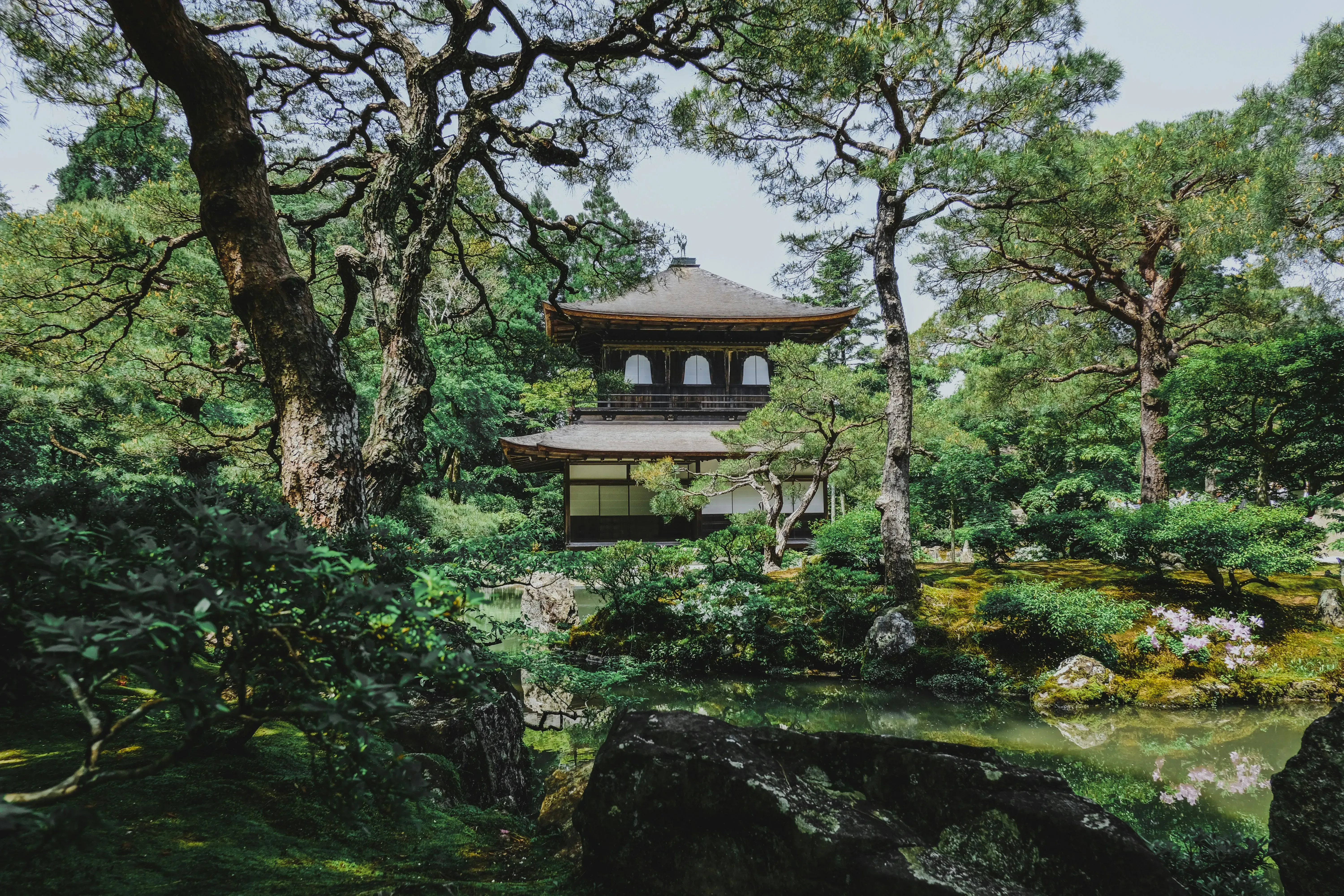
Kyoto Travel Guide: Journey to the Heart of Old Japan

Landing in Japan? Your Ride Is Ready
Pre-book your private driver, skip the taxi line, and get to your hotel with a fixed price and no surprises.
Book nowExplore All Guides
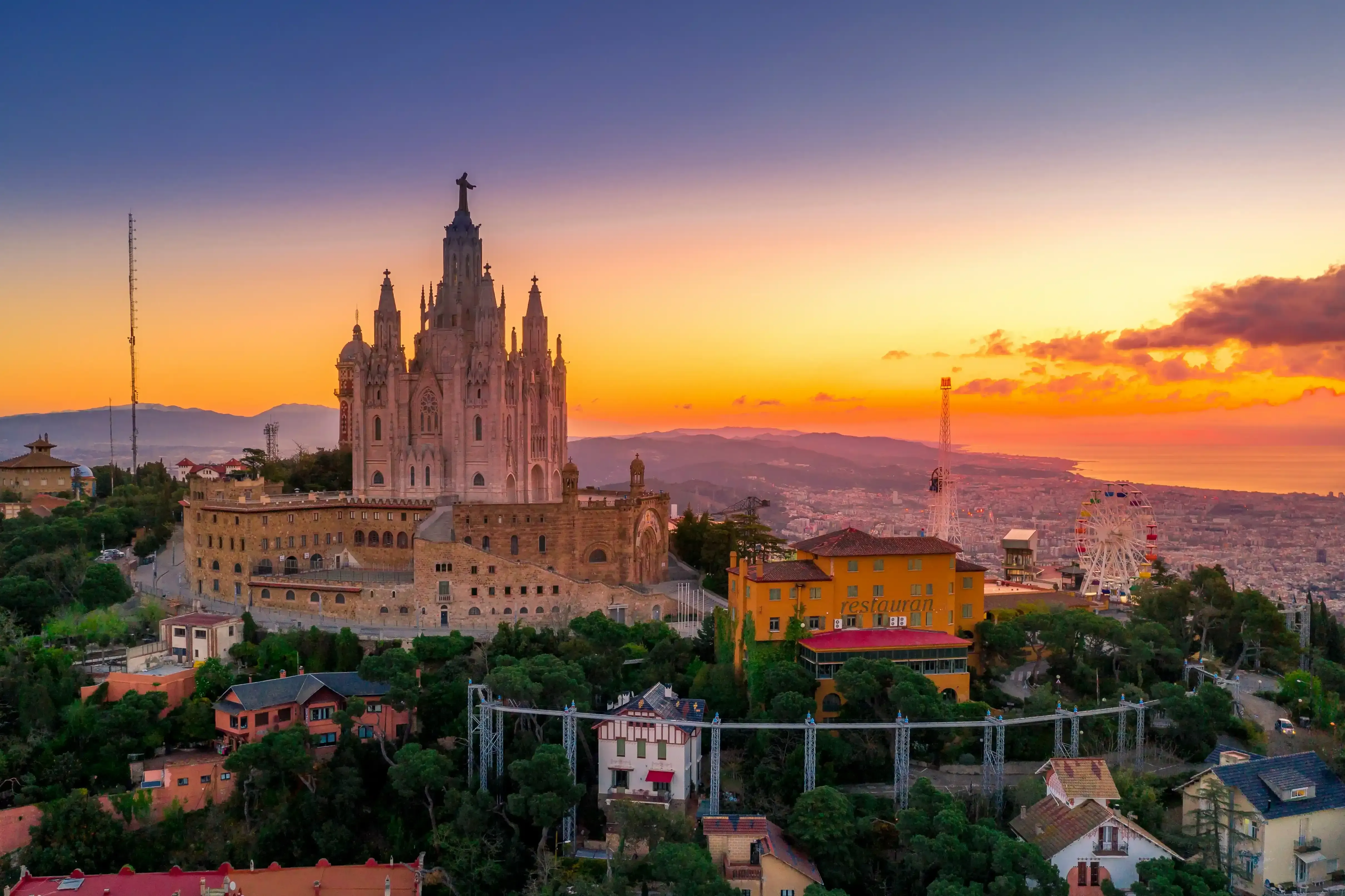
Barcelona Neighborhoods Guide: Where to Stay & What to Expect in Each Barrio

Discover Paris: A Guide to Iconic Landmarks, Historic Cafés & Legendary Stores
Osaka Travel Guide: Top Things to Do & Food Spots
First-Timer's Japan Handbook: 10 Essential Travel Tips + Etiquette FAQ

Rome in a Day & 3 Days in Rome: The Ultimate Itineraries for Every Traveler

Barcelona Airport to Gothic Quarter: Fastest Transfer Options, Prices & Travel Tips
Ultimate Japan Itineraries: Discover the Best of Japan in 7 or 14 Days

More than the Eiffel Tower: Best Things to Do In Paris

Best hotels in Albania: Tirana, Saranda, Vlorë & Durres

Rome: La Dolce Vita in Every Corner — travel guide by Olivia (@doinglifewithliv)

Barcelona Airport to Sagrada Família: Best Transfer Options, Prices & Travel Times

Paris Food Guide: Eiffel Tower View Restaurants & Rooftop Dining

18 Things You Need to Know Before Visiting Croatia

10 Unforgettable Day Trips from Rome, Italy: Ancient Towns, Best Beaches & Countryside Escapes
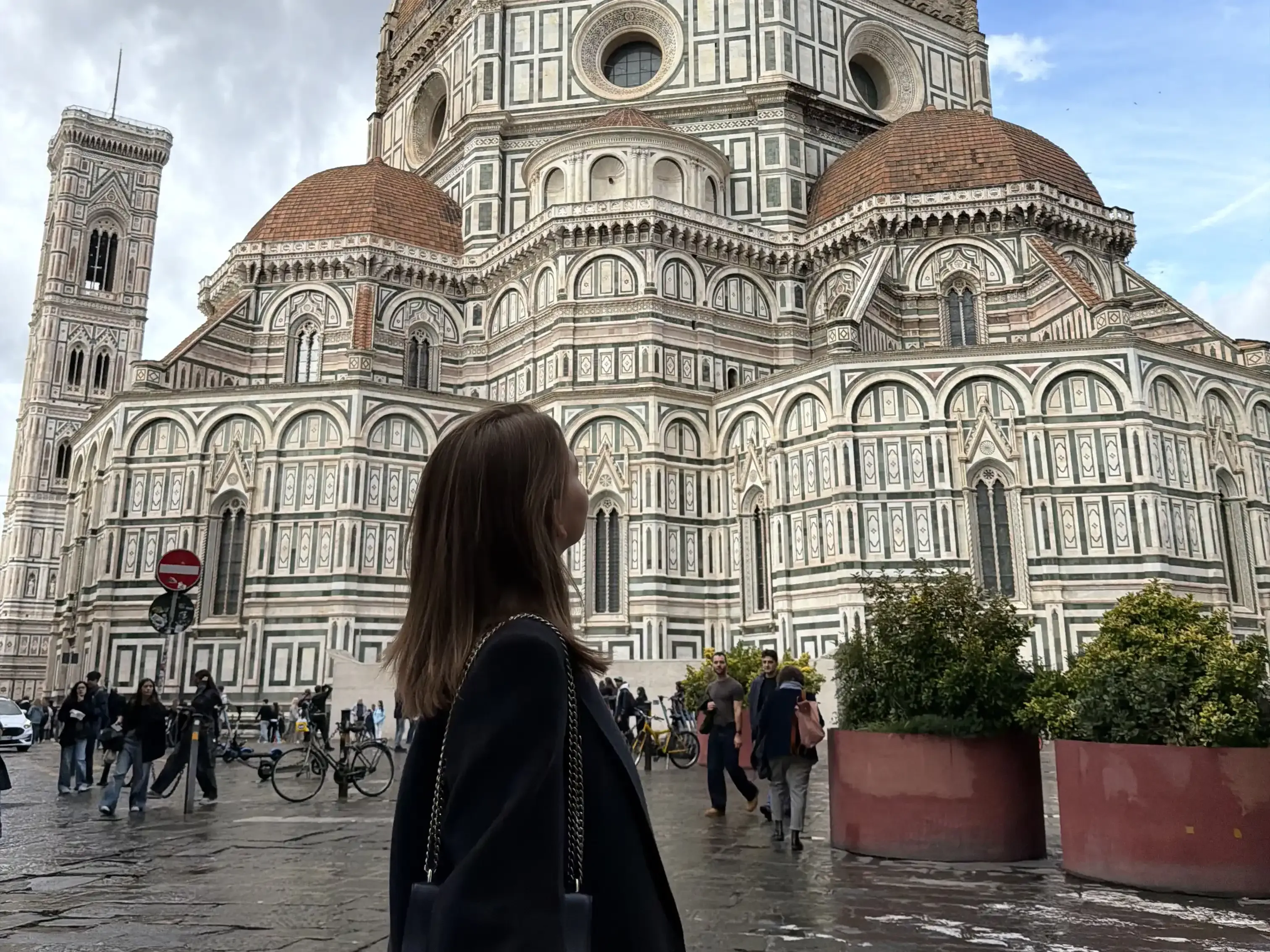
A Taste of Florence: Your Complete Food Guide

Best Day Trips from Milan with a Private Driver: Lake Como, Verona & Beyond

10 Best Holiday Alternatives to the Middle East for Spring 2026

Best Things to Do Around the Colosseum: Rome Attractions, Tours & Insider Tips

Barcelona vs Madrid: Which City Is Better to Visit in Spain?

Barcelona: Hidden Bites, Secret Sips & Sunshine Tips by Nancy Sevilla

Best eSIM for Japan 2026

Budapest Travel Tips: Beyond the Obvious

Best Hotels in Rome for Every Budget: Luxury, Boutique & Budget Stays

Cinque Terre Travel Guide: Best Villages & Trails

Best Wine Tours from Milan: Franciacorta, Valpolicella & Chauffeur Hire
Milan to Verona Day Trip with a Chauffeur

South Korea Travel Guide: Best Cultural, Beauty & Wellness Experiences in Seoul, Busan & Jeonju

Best Things to Do in Singapore: Food, Views & Hidden Gems

Free eSIM Trial: Where to Get Free Data

Hoi An Travel Guide: Hidden Gems, Spas & Local Experiences

Santorini Travel Guide: Sunsets, Cruises & Wine

3 Days in Northern Spain: Bilbao, the Cantabrian Coast & Santander

Best eSim for Europe: One Card for 30+ Countries

Best eSim for Mexico: Stay Connected on Your Trip

How to Get from Lisbon to Porto (2026): Train, Bus, Car, or Flight?

How to Get from London to Madeira: Complete Guide (2026)

How to Get from Beauvais Airport to Paris

Paris on a Budget: Affordable Hotels, Shopping & Free Things to Do

Top 12 Things to Do in Albania: Ultimate Travel Guide

Where to Stay in the Albanian Riviera: Best Hotels & Areas
Kyoto Travel Guide: Journey to the Heart of Old Japan

The Ultimate Hanoi Travel Guide: Local Tips, Street Food & Hidden Gems in Vietnam’s Capital

Private Chauffeur Service for Day Trips from Tokyo
Flexible hourly hire with no fixed itineraries, no rushing, and no stress - just comfortable travel, wherever the road takes you.
Book a chauffeur