'%3e%3cpath%20d='M43.073%200.00649261H15.0943V3.94346H43.073V0.00649261Z'%20fill='url(%23kiwitaxi-grad)'%20/%3e%3cpath%20d='M15.0828%203.94346C16.1928%203.94346%2017.0512%203.06513%2017.0512%201.97497C17.0512%200.874164%2016.1822%200.00649261%2015.0828%200.00649261C14.0362%200.00649261%2013.1379%200.851916%2013.1379%201.97497C13.1379%203.10916%2014.0478%203.94346%2015.0828%203.94346Z'%20fill='white'%20/%3e%3cpath%20d='M43.0614%203.94346C44.1715%203.94346%2045.0299%203.06513%2045.0299%201.97497C45.0299%200.874164%2044.1609%200.00649261%2043.0614%200.00649261C42.0149%200.00649261%2041.1166%200.851916%2041.1166%201.97497C41.1166%203.10916%2042.0265%203.94346%2043.0614%203.94346Z'%20fill='white'%20/%3e%3cpath%20d='M19.5921%2038.5052V39.828H23.1471V26.0491H19.5921V27.3446C18.895%2026.5789%2017.4549%2025.8841%2015.7339%2025.8841C11.8502%2025.8841%208.78975%2028.7578%208.78975%2032.939C8.78975%2037.1374%2011.8702%2039.9935%2015.7339%2039.9935C17.4938%2039.9935%2018.932%2039.2691%2019.5921%2038.5052ZM12.2892%2032.939C12.2892%2030.5715%2013.929%2029.1912%2015.9819%2029.1912C18.0106%2029.1912%2019.5647%2030.5845%2019.5647%2032.939C19.5647%2035.2579%2017.9768%2036.6869%2015.9823%2036.6869C13.9596%2036.6869%2012.2892%2035.264%2012.2892%2032.939Z'%20fill='white'%20/%3e%3cpath%20d='M44.7174%2026.0496H41.4289V39.8281H44.7174V26.0496Z'%20fill='white'%20/%3e%3cpath%20d='M32.2183%2035.7001L29.3455%2039.8281H24.94L30.044%2032.8552L25.1624%2026.0496H29.7075L32.3295%2029.8985L35.035%2026.0496H39.4405L34.5599%2032.7435L39.6361%2039.8281H35.1189L32.2183%2035.7001Z'%20fill='white'%20/%3e%3cpath%20d='M3.34504%2022.9604V26.0496H7.4039V29.0939H3.34504V34.2781C3.34504%2035.9866%204.33971%2036.7008%205.955%2036.7008C6.54504%2036.7008%207.16659%2036.5766%207.63241%2036.235V39.4341C7.04237%2039.7757%206.14133%2039.9931%204.89915%2039.9931C1.8243%2039.9931%200.0226746%2038.1293%200.0226746%2034.9298V22.96H3.34504Z'%20fill='white'%20/%3e%3cpath%20d='M36.2094%208.57428L33.307%2016.8723L30.43%208.57428H27.7621L24.8597%2016.8723L21.9828%208.57428H18.4884L23.2157%2021.4188H26.5037L29.084%2014.4093L31.6629%2021.4188H34.951L39.6782%208.57428H36.2094Z'%20fill='white'%20/%3e%3cpath%20d='M44.7174%208.57381H41.4289V21.4188H44.7174V8.57381Z'%20fill='white'%20/%3e%3cpath%20d='M16.7387%208.57381H13.4502V21.4188H16.7387V8.57381Z'%20fill='white'%20/%3e%3cpath%20d='M11.7001%208.57382L6.07922%2014.1326L12.1622%2021.4188H8.05929L3.92163%2016.28L3.3455%2016.8538V21.4188H0.0226746V3.94299H3.3455V12.7574L7.59764%208.57382H11.7001Z'%20fill='white'%20/%3e%3c/g%3e%3cdefs%3e%3clinearGradient%20id='kiwitaxi-grad'%20x1='15.0945'%20y1='1.97497'%20x2='43.073'%20y2='1.97497'%20gradientUnits='userSpaceOnUse'%3e%3cstop%20stop-color='%2300D2CD'%20stop-opacity='0'%20/%3e%3cstop%20offset='1'%20stop-color='%2300D2CD'%20/%3e%3c/linearGradient%3e%3cclipPath%20id='kiwitaxi-clip'%3e%3crect%20width='46'%20height='40'%20fill='white'%20/%3e%3c/clipPath%3e%3c/defs%3e%3c/svg%3e)


Stay connected on your trip
Get an eSIM before you fly - works in 200+ countries, no roaming fees, instant activation. Exclusive Kiwitaxi × Airalo partnership: unlock your discount with our promo code
Get eSIMeSim vs Physical SIM: Which Is Better for Travel?
Who could’ve guessed that the eSim vs physical SIM debate of all things would become such a hot topic for travelers across the internet?
eSim, or embedded SIM technology, is a great way to keep in touch with loved ones during travel without breaking the bank. Thankfully, using an eSim is easy. Instead of installing a physical SIM into your phone, you simply purchase a data plan online for the specific country or region you’re traveling to and activate it remotely before your trip. All without having to look for a local vendor to purchase a physical SIM card after arrival, avoiding the stress and inconvenient gap before getting connected.
When it comes to the physical SIM card, the tiny chip you slide into your phone—you know the type all too well. But with eSim popularity growing around the globe as the new go-to connectivity solution for travel, and Apple already phasing out SIM trays in select models, does an eSim question the very existence of physical SIMs?
Stuck between an eSim vs physical SIM for your next trip abroad?
Here, a guide on eSim versus SIM, breaking down all nuances why switching from physical SIM to eSim is the best choice for your next trip.
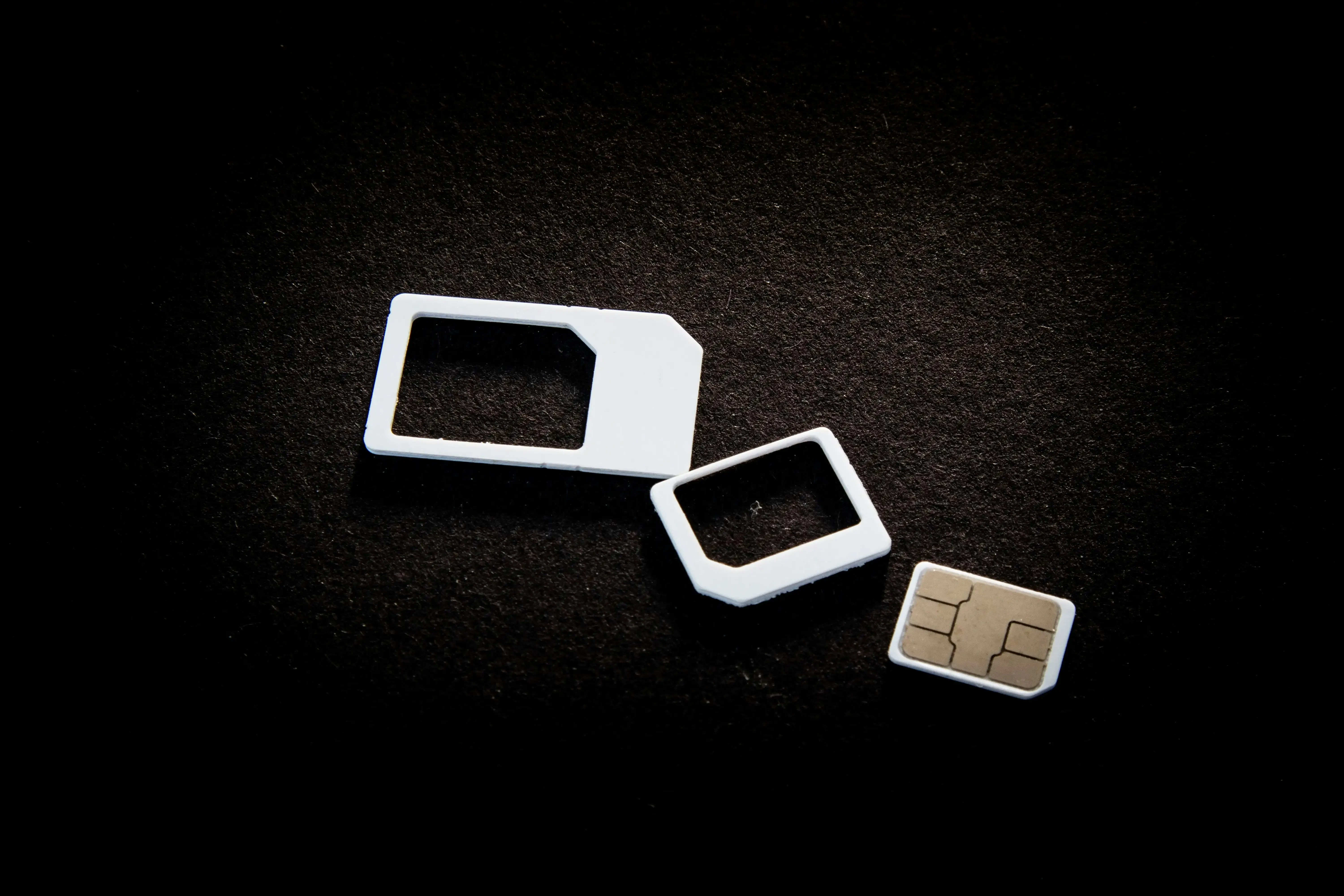
Is eSim Better than SIM for Travel?
Looking for an easy and digital solution for staying connected while traveling abroad? Whether it’s managing itineraries, navigating unfamiliar streets, or staying connected with people back home, having a reliable and affordable data plan is a travel essential.
eSim has completely changed the game for travelers, as the go-to solution that keeps you connected without the hassle of traditional setup or high roaming fees. The core difference between eSim and physical SIM is that an eSim is built into your phone connecting your device to a mobile network without the need for a physical card. Simply pick a provider and an eSim data plan tailored to your destination to stay online throughout your trip without worrying about sky-high roaming fees and connectivity issues.
Need to top up or switch between plans or carriers mid-trip? eSims stand out for convenience and flexibility, allowing you to change carriers and activate plans in just a few taps remotely, without ever handling a physical card.
All these advantages make the eSim vs SIM decision much easier for travelers who want a fast, reliable, modern, and hassle-free way to stay connected, without paying expensive roaming charges.
Want to Stay in Touch While Traveling?
Activate your eSim before your flight! And book your airport transfer with Kiwitaxi for an even smoother and stylish travel experience.
eSim vs Physical SIM: 7 Reasons Why eSims Are the Best Choice for Travel
In 2026, travel just got smarter. Staying connected is now much easier and cheaper than ever with eSim technology.
Curious about the difference between eSIM and physical SIM?
We’ll walk you through the key reasons eSIM is better for travel.
Convenience
When it comes to convenience while traveling, the eSim vs physical SIM comparison clearly favors eSims. Instead of searching for local stores, queueing in an airport kiosk for a physical SIM card, or swapping tiny cards, you can get instant access to mobile data without physically changing anything in your phone. It’s completely digital, instant, and convenient. Simply pick a provider and a data plan online, install it from your sofa before you even leave home, and activate it upon arrival in minutes. Some providers like Airalo make the activation even easier with One-Tap Installation—no QR code scanning required.
Consistent Connectivity
One of the key advantages in the eSim vs physical SIM comparison is how consistently an eSim keeps you connected from the moment you land. The dreaded connectivity gap is no longer part of your travel experience - you get data the moment the plane lands, with no gaps when traveling and taking physical SIMs in off.
With traditional SIM cards, switching networks means powering down your phone, removing one SIM, inserting another, and waiting to reconnect—creating frustrating gaps right when you need access the most.
eSim ensures uninterrupted internet access, allowing you to travel across countries without missing a beat. Your phone automatically connects to a local network as soon as you turn off Airplane Mode, meaning you’re never disconnected from your wallet, camera, maps, and messages.
Simply fire up your mobile device without taking your home SIMs in and out, and check transit routes, message your Airbnb host, or manage work emails on the go.
Flexibility
Flexibility is another core advantage in the eSim vs physical SIM comparison. With physical SIM cards switching carriers involves paperwork, store visits, and new physical SIM cards.
But with an eSim? The process is instant and completely digital. You can change carriers or switch plans directly through your device settings in just a few minutes. Many providers offer a set it and forget it experience, when for example, you’re taking a train from Paris to Berlin, and your regional eSim automatically switches from a French carrier to a German one, keeping you connected effortlessly.
Want to change data plans, switch carriers, or top up mid-trip? Whether you’re crossing borders, extending your trip, or simply looking to tap into cheaper travel data, an eSim lets you manage everything on your mobile device. No waiting, no swapping chips, and no disruption to your connection. Plus, with the latest set it once model, you can manage everything on one profile, without the need for repeated downloads, reinstallation, or switching between multiple SIMs.
So, yeah, eSims also win for flexibility in the eSim versus SIM debate.
Cost
Cost is another essential factor in the eSim vs physical SIM comparison, especially for avoiding sky-high roaming fees. With eSims, you can choose regional data plans tailored to your destination at much more competitive rates than international roaming. Pick a plan from a wide range of bundles, from light data packages to unlimited data plans for digital nomads, and pay only for what you need, with no hidden fees or surprise charges.
Security
Security is another area where the eSim vs physical SIM comparison clearly favors eSims. If your phone is stolen, the physical SIM can be removed in seconds, cutting off tracking and potentially exposing your number to misuse or fraud.
But an eSim takes your security seriously. Because it’s built into your phone and managed digitally, it gives you far more control if your device is lost or stolen. If it’s lost or compromised, you can instantly deactivate or transfer your eSim profile through the app remotely. For travelers, this built-in protection is even more essential, ensuring all their personal and banking info stay safer on the go.
That’s a level of protection physical SIM cards simply can’t match.
Multiple Numbers on One Device
Another key advantage in the eSim vs physical SIM comparison when traveling across multiple destinations is that an eSim lets you store multiple carrier profiles on a single device.
Need more than one number on your device? An eSim makes it easy to run dual SIMs, combining an eSim and a physical SIM, perfect for separating work and personal calls or keeping a local plan while traveling abroad.
Whether you’re crossing borders or experiencing an expected change of travel plans, you can switch between your data profiles in just a few taps. No need for physically removing SIMs from your phone or swapping cards: your home number stays live and you don’t have to pay high roaming-fees.
It’s like having the best of both worlds: keeping your home number active for important calls and 2FA messages, while using your eSim for data abroad to avoid roaming fees. It’s that simple!
Environmental Friendliness
Now, we all know that sustainability matters in the eSim vs physical SIM comparison, and this is where eSims offer a greener, more sustainable way to stay connected.
With physical SIM cards come manufacturing footprints, packaging waste, and delivery emissions. In fact, a large portion of the plastic used in physical SIMs is simply thrown away, adding to their overall environmental footprint.
Instead, eSims are built in your phones and managed digitally. This means no physical card, no excess packaging, and no delivery emissions, making eSims a more eco-friendly way to stay connected while traveling.
Plus, you’ll love larger batteries and enhanced water resistance during your long days of exploring — as removing the physical SIM slot frees up space for these added perks.

eSim vs Physical SIM: Concise Comparison
Convenience
eSim: Completely digital and instant. Purchase and install from your sofa before you leave, activate in minutes upon arrival, and boom, you’re connected! Top providers in 2026 even offer one-tap activation without QR codes.
Physical SIM: Requires searching for local stores, queuing at airport kiosks, physically inserting and swapping tiny cards with ejector tools while managing luggage.
Consistent Connectivity
eSim: Instant connection the moment you land. Your phone automatically joins a local network when Airplane Mode is switched off, removing the connectivity gap completely and keeping maps, rides, and messages live at all times.
Physical SIM: Requires swapping cards after arrival, creating downtime while you install, restart, and reconnect—right when you need data most.
Flexibility
eSim: Full digital control. Switch carriers, update plans, or top up in minutes directly from your device settings, perfect for crossing borders or changing travel plans on the go.
Physical SIM: Changing networks means buying a new card, visiting a store, or dealing with manual swaps and paperwork.
Cost
eSim: Transparent, flexible pricing with regional and global plans. Pick from light data bundles to unlimited options and pay only for what you use without hidden fees or high roaming charges.
Physical SIM: Involves high roaming fees or purchasing and swapping local SIMs in each destination.
Security
eSim: Built into your device and impossible to physically remove if your phone is stolen. It can also be remotely disabled instantly for stronger protection and safer data control while traveling.
Physical SIM: Can be removed in seconds, potentially cutting off tracking and exposing your number to potential fraud or banking interception risks.
Multiple Numbers on One Device
eSim: Supports dual SIM setups and multiple digital profiles (often up to 8), letting you keep your home number active for 2FA texts, while using a travel eSIM for data.
Physical SIM: Typically restricted to one card per slot; requires physically swapping cards to change numbers or carriers.
Environmental Friendliness
eSim: A greener choice with zero plastic waste, no packaging, and no delivery emissions. eSim adoption reduces the 4.5 billion plastic SIMs produced annually.
Physical SIM: Carries a significant manufacturing footprint, including 20,000 tons of plastic waste and carbon emissions from global shipping and retail logistics.

eSim vs Physical SIM for Travel: Final Verdict
So, is eSim better than SIM for travel? Definitely!
In the eSim vs physical SIM debate, eSims clearly stand out as the more convenient, affordable, and flexible option for travelers. You just set it up on your mobile device from the comfort of your sofa, and activate it upon landing. Activation is instant, switching carriers or data plans is effortless, security is stronger. And you can have multiple SIMs on your phone to keep your home number and mobile data separate while traveling, avoiding high roaming fees. Plus, eSims are better for our planet.
Do physical SIMs still have benefits? Yes, but they’re becoming more limited. In the eSim vs SIM comparison, physical SIMs offer simple plug-and-play swapping between devices without needing an app or internet connection. They will likely remain only in niche situations, such as older devices that don’t support eSims or regions with slower digital adoption. Physical SIMs can also be more affordable for long-term stays in certain countries where local carriers still provide SIM-based bundles.
But for most travelers, especially those going on multi-country trips, the eSim vs physical SIM winner is clear: eSims are redefining global connectivity, with instant internet access, better control, stronger security, and a more sustainable way to stay online anywhere in the world.
Frequently Asked Questions
Q: What is the difference between eSim and physical SIM?
A: The difference between eSim and SIM comes down to format and setup. A physical SIM is a removable chip you insert into your phone, while an eSim is built into your device and activated digitally without needing a physical card.
Q: Will an eSIM affect my home number?
A: No, you can keep your home SIM active for important calls and texts, and use the eSIM for data to avoid high roaming fees.
Q: Can I use an eSIM and a physical SIM at the same time?
A: Yes. Most modern smartphones support Dual SIM functionality. This allows you to keep your physical SIM active to receive 2FA security codes, while using an eSIM for travel data.
Q: Do I need an unlocked phone to use an eSIM?
A: Yes. Your phone must be carrier-unlocked. If your device is still under contract or payment plan, it may be locked. In most cases, you can request an unlock from your carrier once the device is fully paid off.
Q: How do I know if my phone is eSIM compatible?
A: Go to your settings and look for “Add eSIM,” “SIM Manager,” or “Mobile Plans.” You can also dial *#06#—if an EID number appears, your device supports eSIM.
Q: What happens if I run out of data mid-trip?
A: With an eSim, topping up is simple. Instead of visiting a store, you can manage everything through its app. Most eSIM providers even notify you before you run low, allowing you to add more data instantly in just a few taps.
Q: Is an eSIM better for long-term travel or short trips?
A: eSIMs are perfect for short to medium trips and multi-country travel due to their flexibility, affordability, and instant setup. But, for long-term stays in one country, a local physical SIM may sometimes offer cheaper bulk data plans.
Travel Planning Tips
Ready to set off on your next adventure?
Make planning your trips easy and stress-free with our travel tips and guides!
Start with setting up your Airalo eSim from the comfort of your home, and get instant access to maps, messages, and bookings from the moment you arrive. And if you’re curious about Airalo’s offerings, don’t miss our ultimate review where we break down everything you need to know to pick the perfect Airalo plan for your next trip.
Want to test an eSim before making any commitment? Start with an eSim free trial!
And the most important part of planning your trip? Booking your Kiwitaxi airport transfer to step off the plane knowing everything is taken care of, with time to reflect and enjoy the journey as much as the destination!
Explore our eSim guides below:
Best Picks
Practical guides to help you stay connected and move smoothly wherever you travel.

What Is an eSIM? A Traveler's Guide to Staying Connected Abroad

Best eSIM for Japan 2026

Best eSIM for International Travel [2026]

Free eSIM Trial: Where to Get Free Data

Airalo eSIM: Complete Review & How to Use

Best eSim for Europe: One Card for 30+ Countries

Best eSim for Mexico: Stay Connected on Your Trip
Best eSim for UK: Visitor’s Guide

Best eSIM for USA: Plans, Prices & Setup Guide

eSim vs Physical SIM: Which Is Better for Travel?

How to Activate eSim: Step-by-Step Guide
Kiwitaxi Airport Transfers
Relax and enjoy the ride, knowing that every detail is managed for your peace of mind
Explore