'%3e%3cpath%20d='M43.073%200.00649261H15.0943V3.94346H43.073V0.00649261Z'%20fill='url(%23kiwitaxi-grad)'%20/%3e%3cpath%20d='M15.0828%203.94346C16.1928%203.94346%2017.0512%203.06513%2017.0512%201.97497C17.0512%200.874164%2016.1822%200.00649261%2015.0828%200.00649261C14.0362%200.00649261%2013.1379%200.851916%2013.1379%201.97497C13.1379%203.10916%2014.0478%203.94346%2015.0828%203.94346Z'%20fill='white'%20/%3e%3cpath%20d='M43.0614%203.94346C44.1715%203.94346%2045.0299%203.06513%2045.0299%201.97497C45.0299%200.874164%2044.1609%200.00649261%2043.0614%200.00649261C42.0149%200.00649261%2041.1166%200.851916%2041.1166%201.97497C41.1166%203.10916%2042.0265%203.94346%2043.0614%203.94346Z'%20fill='white'%20/%3e%3cpath%20d='M19.5921%2038.5052V39.828H23.1471V26.0491H19.5921V27.3446C18.895%2026.5789%2017.4549%2025.8841%2015.7339%2025.8841C11.8502%2025.8841%208.78975%2028.7578%208.78975%2032.939C8.78975%2037.1374%2011.8702%2039.9935%2015.7339%2039.9935C17.4938%2039.9935%2018.932%2039.2691%2019.5921%2038.5052ZM12.2892%2032.939C12.2892%2030.5715%2013.929%2029.1912%2015.9819%2029.1912C18.0106%2029.1912%2019.5647%2030.5845%2019.5647%2032.939C19.5647%2035.2579%2017.9768%2036.6869%2015.9823%2036.6869C13.9596%2036.6869%2012.2892%2035.264%2012.2892%2032.939Z'%20fill='white'%20/%3e%3cpath%20d='M44.7174%2026.0496H41.4289V39.8281H44.7174V26.0496Z'%20fill='white'%20/%3e%3cpath%20d='M32.2183%2035.7001L29.3455%2039.8281H24.94L30.044%2032.8552L25.1624%2026.0496H29.7075L32.3295%2029.8985L35.035%2026.0496H39.4405L34.5599%2032.7435L39.6361%2039.8281H35.1189L32.2183%2035.7001Z'%20fill='white'%20/%3e%3cpath%20d='M3.34504%2022.9604V26.0496H7.4039V29.0939H3.34504V34.2781C3.34504%2035.9866%204.33971%2036.7008%205.955%2036.7008C6.54504%2036.7008%207.16659%2036.5766%207.63241%2036.235V39.4341C7.04237%2039.7757%206.14133%2039.9931%204.89915%2039.9931C1.8243%2039.9931%200.0226746%2038.1293%200.0226746%2034.9298V22.96H3.34504Z'%20fill='white'%20/%3e%3cpath%20d='M36.2094%208.57428L33.307%2016.8723L30.43%208.57428H27.7621L24.8597%2016.8723L21.9828%208.57428H18.4884L23.2157%2021.4188H26.5037L29.084%2014.4093L31.6629%2021.4188H34.951L39.6782%208.57428H36.2094Z'%20fill='white'%20/%3e%3cpath%20d='M44.7174%208.57381H41.4289V21.4188H44.7174V8.57381Z'%20fill='white'%20/%3e%3cpath%20d='M16.7387%208.57381H13.4502V21.4188H16.7387V8.57381Z'%20fill='white'%20/%3e%3cpath%20d='M11.7001%208.57382L6.07922%2014.1326L12.1622%2021.4188H8.05929L3.92163%2016.28L3.3455%2016.8538V21.4188H0.0226746V3.94299H3.3455V12.7574L7.59764%208.57382H11.7001Z'%20fill='white'%20/%3e%3c/g%3e%3cdefs%3e%3clinearGradient%20id='kiwitaxi-grad'%20x1='15.0945'%20y1='1.97497'%20x2='43.073'%20y2='1.97497'%20gradientUnits='userSpaceOnUse'%3e%3cstop%20stop-color='%2300D2CD'%20stop-opacity='0'%20/%3e%3cstop%20offset='1'%20stop-color='%2300D2CD'%20/%3e%3c/linearGradient%3e%3cclipPath%20id='kiwitaxi-clip'%3e%3crect%20width='46'%20height='40'%20fill='white'%20/%3e%3c/clipPath%3e%3c/defs%3e%3c/svg%3e)


Private Chauffeur Service for Day Trips & Sightseeing
Your own driver, by the hour. No fixed routes. No surprises. Just a professional driver at your disposal - from 3 hours to multiple days.
Book a chauffeurLondon rarely reveals itself all at once.
At first, it arrives through fragments: the sound of Underground trains rushing beneath old streets, rows of brick houses disappearing into rain, black cabs moving past Gothic towers, people reading quietly in parks even in cold weather, and entire neighborhoods changing character within a few streets. One part of the city feels royal and ceremonial. Another feels creative and chaotic. A third feels almost village-like despite sitting inside one of the world’s largest capitals.
That layering is what defines London.
The city grew gradually over nearly two thousand years — Roman settlement, medieval trade hub, imperial capital, industrial powerhouse, multicultural metropolis — and traces of every era remain visible simultaneously. Ancient churches stand beside glass skyscrapers. Victorian pubs operate below modern apartments. Markets that once sold livestock now serve coffee and street food to crowds speaking dozens of languages.
Unlike cities built around one obvious center, London spreads outward endlessly through neighborhoods, each with its own atmosphere and rhythm.
South Kensington revolves around museums and elegant terraces. Shoreditch mixes street art, nightlife, and creative energy. Richmond feels green and almost rural beside the Thames. Soho stays restless late into the night. Hampstead slows everything down with parks, bookshops, and old pubs.
And then there’s the balance London maintains unusually well: intensity and calm existing side by side.
Yes, it’s crowded, expensive, fast-moving, and unpredictable. But it’s also deeply shaped by green space. Parks appear constantly. Quiet residential streets sit minutes from financial districts. Entire afternoons can disappear inside museums, cafés, bookshops, or riverside walks.
The city rewards repeat visits because no single version of London ever feels complete.
You don’t really “finish” London.
You just keep finding new corners of it.
Getting to London
By Air
London is served by multiple major airports including Heathrow Airport (LHR), Gatwick Airport (LGW), London Stansted Airport (STN), and London Luton Airport (LTN).
Direct flights connect London with virtually every major city in Europe, North America, Asia, the Middle East, and beyond.
Worth knowing: airport location matters significantly — Heathrow offers the fastest central connections, while Stansted and Luton sit much farther from the city.
By Train
International Eurostar trains connect London with Paris, Brussels, and Amsterdam via St Pancras International.
By Road & Coach
Long-distance buses and road connections reach the city from across the UK and Europe.

Arriving in London: What to Expect
London’s transport system can seem overwhelming initially, but signage and connectivity are excellent.
By Underground & Express Trains
The Heathrow Express, Elizabeth Line, Gatwick Express, and Underground all connect airports with central London efficiently.
By Taxi
Black cabs remain iconic and reliable, though expensive compared with rail transport.
By Private Transfer
A Kiwitaxi private transfer from London airports offers direct hotel drop-off, fixed pricing, and a significantly easier arrival experience — especially after long-haul flights or when arriving with luggage during peak transport hours.
Getting Around London
London’s public transport network is extensive and remarkably efficient once understood.
London Underground
London Underground remains the fastest way to navigate much of the city.
Buses
Double-decker buses provide slower but more scenic routes through London neighborhoods.
Walking
Many central districts are surprisingly walkable, especially along the Thames and through historic neighborhoods.
River Boats
Thames river services offer scenic alternatives to Underground travel.
Trains
Overground rail connects outer districts and suburban areas.
Best Time to Visit London
April to June
Spring brings longer daylight, blooming parks, and comfortable temperatures.
July to August
Peak tourist season with festivals, outdoor dining, and busy attractions.
September to October
Arguably one of the best periods — mild weather, autumn parks, and fewer crowds.
November to February
Cooler, darker, and atmospheric, especially around Christmas markets, theatres, and pubs.
Where to Stay in London
Covent Garden & Soho
Central, lively, walkable, and ideal for theatres, restaurants, and nightlife.
South Kensington
Museums, elegant streets, and quieter surroundings.
Shoreditch
Creative atmosphere, markets, nightlife, and contemporary London culture.
Notting Hill
Colorful streets, cafés, markets, and residential charm.
Richmond
Leafy riverside atmosphere with parks and village-like calm.
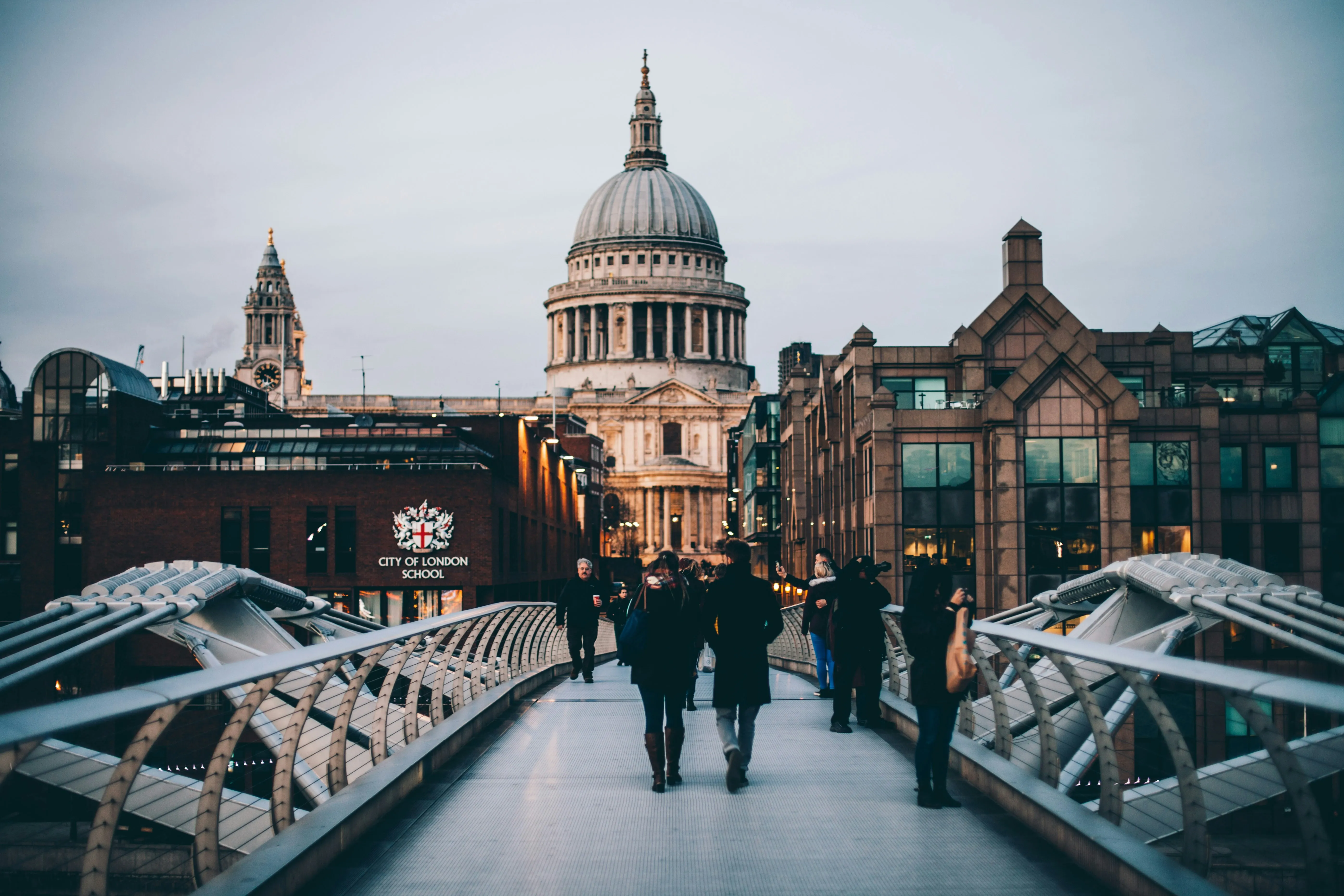
Best Things to Do in London
Walk Along the Thames
River Thames shapes the city physically and historically.
Walking its banks connects landmarks, bridges, markets, galleries, and neighborhoods while revealing London gradually.
Visit the British Museum
The British Museum houses one of the world’s most extensive collections of historical artifacts — and remains free to visit.
Explore South Kensington Museums
Natural History Museum, Victoria and Albert Museum, and Science Museum sit within walking distance of each other and offer some of London’s best cultural experiences completely free of charge.
Watch a West End Show
London theatre culture rivals anywhere in the world, from major musicals to experimental productions.
Visit Borough Market
Borough Market combines historic market atmosphere with global food culture beside London Bridge.
Wander Through Shoreditch
Street art, cafés, vintage shops, markets, and nightlife define one of London’s most creative districts.
Spend Time in Hyde Park
Hyde Park offers open green space, lakes, gardens, and relief from central city density.
Explore Camden Market
Camden Market mixes alternative fashion, music history, canalside walks, and international street food.
Visit Tower Bridge & Tower of London
Tower Bridge and Tower of London remain among the city’s most recognizable historic landmarks.
Food & Drink in London
London’s food scene reflects the city’s multicultural identity more than traditional British stereotypes.
Indian, Turkish, Nigerian, Italian, Chinese, Middle Eastern, Caribbean, and contemporary British restaurants all shape the city equally.
Pub culture remains central to social life — especially Sunday roasts, riverside beer gardens, and historic pubs with fireplaces during winter.
Coffee culture, bakeries, food markets, and neighborhood restaurants have transformed London into one of Europe’s strongest dining cities over the last decade.
Day Trips from London with Kiwitaxi
Windsor
Windsor Castle combines royal history and riverside atmosphere less than an hour from London.
Oxford
Historic colleges, libraries, and classic English architecture.
Bath
Roman baths, Georgian streets, and elegant western English landscapes.
Brighton
Seaside culture, independent shops, and relaxed coastal atmosphere.
Kiwitaxi chauffeur hire service simplify regional travel significantly, especially for airport connections, countryside routes, and multi-stop itineraries beyond London’s rail network.
Practical Notes for Visiting London
The UK uses the British pound (GBP). Card and contactless payments are accepted almost everywhere.
Weather changes quickly — carrying layers or a small umbrella is often useful regardless of season.
Tipping around 10–12.5% is standard in restaurants if service is not already included.
The Underground becomes busiest during weekday rush hours.
Many of London’s best museums are completely free, making the city unusually accessible culturally despite high accommodation costs.
London can initially feel enormous and fragmented.
But that fragmentation becomes part of its appeal.
The city works less like a single destination and more like dozens of overlapping villages, histories, and atmospheres connected by trains, parks, rivers, and routine. The longer you spend here, the more personal your version of London becomes.

Best Picks for True Adventurers

A Christmas-to-New Year Holiday Journey in London

Day Trips from London: Seven Places Worth Leaving the City For

How to Get From London Heathrow to London

How to Get from Gatwick Airport to London: Best Train, Bus & Transfer Options

How to Get from London to Madeira: Complete Guide (2026)

How to Get from Gatwick Airport to Southampton Cruise Port: Train, Coach, Car & Private Transfer

Landing in London? Your Ride Is Ready
Pre-book your private driver, skip the taxi line, and get to your hotel with a fixed price and no surprises.
Book a transferExplore All Guides

Barcelona Neighborhoods Guide: Where to Stay & What to Expect in Each Barrio

Discover Paris: A Guide to Iconic Landmarks, Historic Cafés & Legendary Stores

Osaka Travel Guide: Top Things to Do & Food Spots

First-Timer's Japan Handbook: 10 Essential Travel Tips + Etiquette FAQ

Rome in a Day & 3 Days in Rome: The Ultimate Itineraries for Every Traveler

Barcelona Airport to Gothic Quarter: Fastest Transfer Options, Prices & Travel Tips

Ultimate Japan Itineraries: Discover the Best of Japan in 7 or 14 Days

More than the Eiffel Tower: Best Things to Do In Paris

Best hotels in Albania: Tirana, Saranda, Vlorë & Durres

Rome: La Dolce Vita in Every Corner — travel guide by Olivia (@doinglifewithliv)

Barcelona Airport to Sagrada Família: Best Transfer Options, Prices & Travel Times

Paris Food Guide: Eiffel Tower View Restaurants & Rooftop Dining

18 Things You Need to Know Before Visiting Croatia

10 Unforgettable Day Trips from Rome, Italy: Ancient Towns, Best Beaches & Countryside Escapes

A Taste of Florence: Your Complete Food Guide

Best Day Trips from Milan with a Private Driver: Lake Como, Verona & Beyond

10 Best Holiday Alternatives to the Middle East for Spring 2026

Best Things to Do Around the Colosseum: Rome Attractions, Tours & Insider Tips

Barcelona vs Madrid: Which City Is Better to Visit in Spain?

Barcelona: Hidden Bites, Secret Sips & Sunshine Tips by Nancy Sevilla

Best eSIM for Japan 2026

Budapest Travel Tips: Beyond the Obvious

Best Hotels in Rome for Every Budget: Luxury, Boutique & Budget Stays

Cinque Terre Travel Guide: Best Villages & Trails

Best Wine Tours from Milan: Franciacorta, Valpolicella & Chauffeur Hire
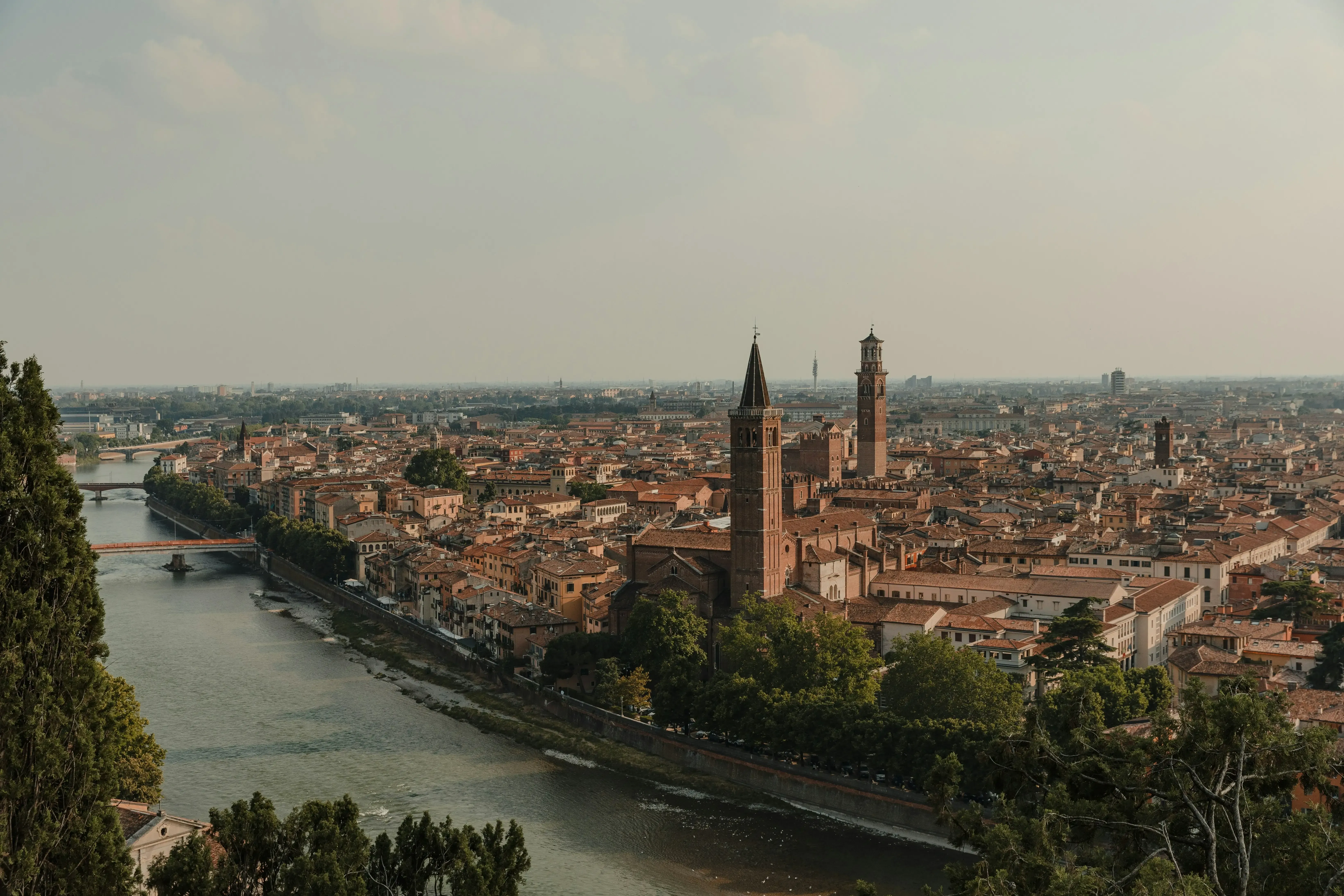
Milan to Verona Day Trip with a Chauffeur

South Korea Travel Guide: Best Cultural, Beauty & Wellness Experiences in Seoul, Busan & Jeonju

Best Things to Do in Singapore: Food, Views & Hidden Gems

Free eSIM Trial: Where to Get Free Data

Hoi An Travel Guide: Hidden Gems, Spas & Local Experiences

Santorini Travel Guide: Sunsets, Cruises & Wine

3 Days in Northern Spain: Bilbao, the Cantabrian Coast & Santander

Best eSim for Europe: One Card for 30+ Countries

Best eSim for Mexico: Stay Connected on Your Trip

How to Get from Lisbon to Porto (2026): Train, Bus, Car, or Flight?
How to Get from London to Madeira: Complete Guide (2026)

How to Get from Beauvais Airport to Paris

Paris on a Budget: Affordable Hotels, Shopping & Free Things to Do

Top 12 Things to Do in Albania: Ultimate Travel Guide

Where to Stay in the Albanian Riviera: Best Hotels & Areas
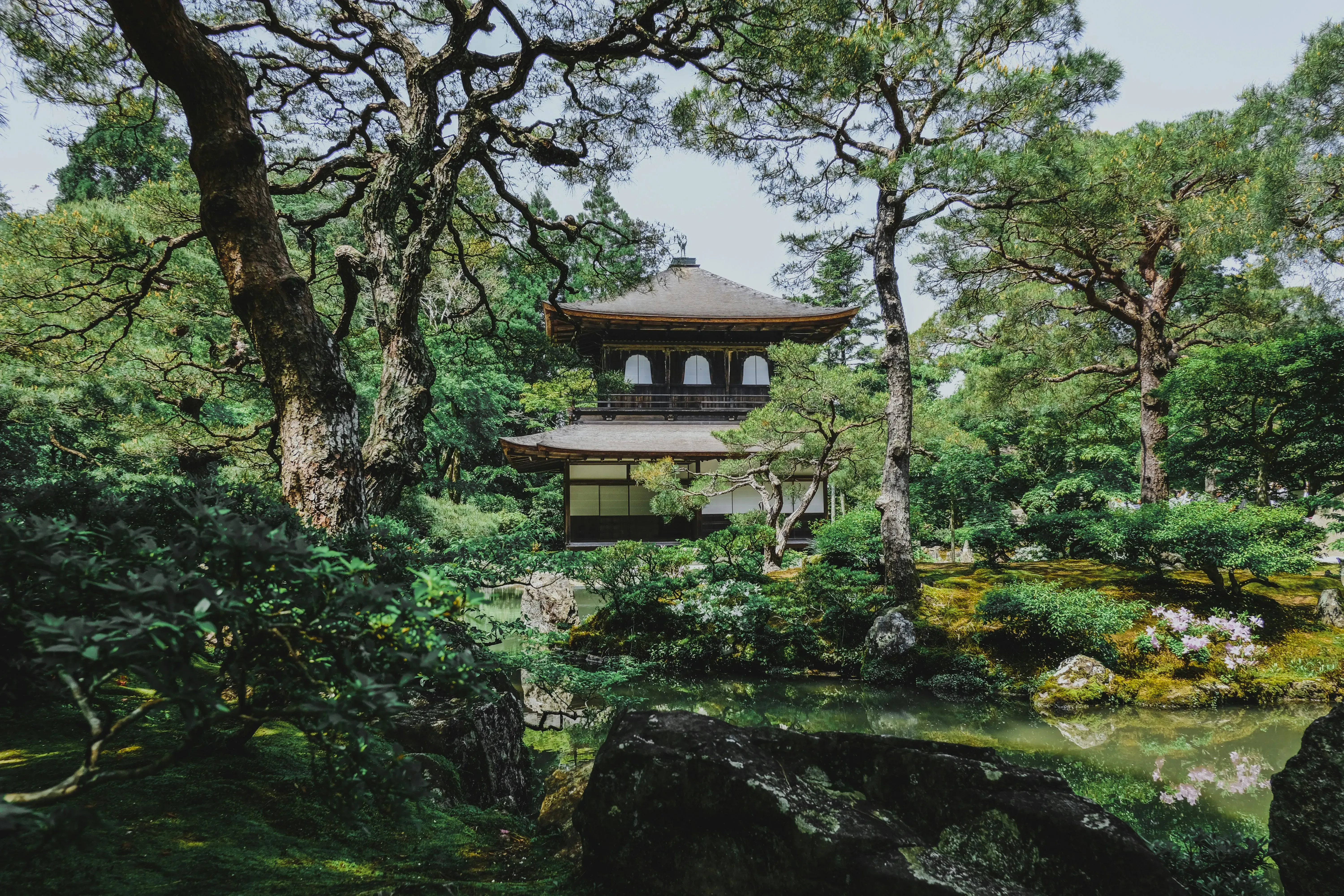
Kyoto Travel Guide: Journey to the Heart of Old Japan
