'%3e%3cpath%20d='M43.073%200.00649261H15.0943V3.94346H43.073V0.00649261Z'%20fill='url(%23kiwitaxi-grad)'%20/%3e%3cpath%20d='M15.0828%203.94346C16.1928%203.94346%2017.0512%203.06513%2017.0512%201.97497C17.0512%200.874164%2016.1822%200.00649261%2015.0828%200.00649261C14.0362%200.00649261%2013.1379%200.851916%2013.1379%201.97497C13.1379%203.10916%2014.0478%203.94346%2015.0828%203.94346Z'%20fill='white'%20/%3e%3cpath%20d='M43.0614%203.94346C44.1715%203.94346%2045.0299%203.06513%2045.0299%201.97497C45.0299%200.874164%2044.1609%200.00649261%2043.0614%200.00649261C42.0149%200.00649261%2041.1166%200.851916%2041.1166%201.97497C41.1166%203.10916%2042.0265%203.94346%2043.0614%203.94346Z'%20fill='white'%20/%3e%3cpath%20d='M19.5921%2038.5052V39.828H23.1471V26.0491H19.5921V27.3446C18.895%2026.5789%2017.4549%2025.8841%2015.7339%2025.8841C11.8502%2025.8841%208.78975%2028.7578%208.78975%2032.939C8.78975%2037.1374%2011.8702%2039.9935%2015.7339%2039.9935C17.4938%2039.9935%2018.932%2039.2691%2019.5921%2038.5052ZM12.2892%2032.939C12.2892%2030.5715%2013.929%2029.1912%2015.9819%2029.1912C18.0106%2029.1912%2019.5647%2030.5845%2019.5647%2032.939C19.5647%2035.2579%2017.9768%2036.6869%2015.9823%2036.6869C13.9596%2036.6869%2012.2892%2035.264%2012.2892%2032.939Z'%20fill='white'%20/%3e%3cpath%20d='M44.7174%2026.0496H41.4289V39.8281H44.7174V26.0496Z'%20fill='white'%20/%3e%3cpath%20d='M32.2183%2035.7001L29.3455%2039.8281H24.94L30.044%2032.8552L25.1624%2026.0496H29.7075L32.3295%2029.8985L35.035%2026.0496H39.4405L34.5599%2032.7435L39.6361%2039.8281H35.1189L32.2183%2035.7001Z'%20fill='white'%20/%3e%3cpath%20d='M3.34504%2022.9604V26.0496H7.4039V29.0939H3.34504V34.2781C3.34504%2035.9866%204.33971%2036.7008%205.955%2036.7008C6.54504%2036.7008%207.16659%2036.5766%207.63241%2036.235V39.4341C7.04237%2039.7757%206.14133%2039.9931%204.89915%2039.9931C1.8243%2039.9931%200.0226746%2038.1293%200.0226746%2034.9298V22.96H3.34504Z'%20fill='white'%20/%3e%3cpath%20d='M36.2094%208.57428L33.307%2016.8723L30.43%208.57428H27.7621L24.8597%2016.8723L21.9828%208.57428H18.4884L23.2157%2021.4188H26.5037L29.084%2014.4093L31.6629%2021.4188H34.951L39.6782%208.57428H36.2094Z'%20fill='white'%20/%3e%3cpath%20d='M44.7174%208.57381H41.4289V21.4188H44.7174V8.57381Z'%20fill='white'%20/%3e%3cpath%20d='M16.7387%208.57381H13.4502V21.4188H16.7387V8.57381Z'%20fill='white'%20/%3e%3cpath%20d='M11.7001%208.57382L6.07922%2014.1326L12.1622%2021.4188H8.05929L3.92163%2016.28L3.3455%2016.8538V21.4188H0.0226746V3.94299H3.3455V12.7574L7.59764%208.57382H11.7001Z'%20fill='white'%20/%3e%3c/g%3e%3cdefs%3e%3clinearGradient%20id='kiwitaxi-grad'%20x1='15.0945'%20y1='1.97497'%20x2='43.073'%20y2='1.97497'%20gradientUnits='userSpaceOnUse'%3e%3cstop%20stop-color='%2300D2CD'%20stop-opacity='0'%20/%3e%3cstop%20offset='1'%20stop-color='%2300D2CD'%20/%3e%3c/linearGradient%3e%3cclipPath%20id='kiwitaxi-clip'%3e%3crect%20width='46'%20height='40'%20fill='white'%20/%3e%3c/clipPath%3e%3c/defs%3e%3c/svg%3e)
Italy is one of those destinations that can feel almost impossible to experience in a single trip. From ancient cities and Renaissance masterpieces to Mediterranean beaches, dramatic mountain landscapes, vineyards, islands, and some of the world's most famous food, every part of the country offers something different.
Whether you are planning your first visit to Italy, returning for a slower holiday, or trying to decide which region deserves your time, this guide will help you understand the country at a glance: where to go, what to see, when to visit, and how to get around.
Italy stretches from the Alps in the north to Sicily and the Mediterranean in the south, with more than 20 regions, each with its own landscapes, traditions, cuisine, and character. You can ski in the morning and be by a lake in the afternoon, explore Roman ruins one day and spend the next on a sandy beach, or combine major cities with small villages and countryside escapes.
And that variety is exactly what makes Italy so rewarding to travel through.
Why Travel to Italy?
The easiest answer is: for almost anything you want from a European holiday.
Italy is home to some of Europe's most iconic cities, including Rome, Venice, Florence, Milan, Naples, and Verona. But the country is much more than its famous urban destinations.
You can come to Italy for:
History and culture — ancient Roman sites, medieval towns, Renaissance art, historic churches, castles, and archaeological sites.
Food and wine — from pizza in Naples and pasta in Bologna to Tuscan cuisine, Sicilian street food, Italian gelato, and wine regions throughout the country.
Beaches and islands — long Adriatic beaches, Mediterranean coves, the Amalfi Coast, Sicily, Sardinia, Puglia, and countless smaller coastal destinations.
Mountains and outdoor adventures — the Dolomites, Alps, Apennines, Mount Etna, hiking trails, skiing, cycling, and lakes surrounded by mountains.
Romantic escapes — Venice, the Amalfi Coast, Tuscany, Lake Como, Verona, and countless small towns make Italy particularly popular for couples.
Family holidays — beaches, amusement parks, interactive museums, easy day trips, and destinations where children can enjoy the outdoors.
Shopping — from Milan's fashion district to designer outlets and traditional local markets.
Slow travel — Italy is ideal for renting a car, staying in a countryside agriturismo, visiting wineries, and exploring villages at your own pace.
You also don't necessarily have to choose between these experiences. One of the great advantages of Italy is how easily different types of travel can be combined.

How Is Italy Divided?
Italy is officially divided into 20 regions, but for travelers it is often easier to think about the country geographically.
Northern Italy includes the Alps, Dolomites, major lakes, fashion and business centers, and some of the country's wealthiest and most developed cities.
Central Italy is particularly associated with Tuscany, Florence, Rome, Umbria, and the country's enormous artistic and historical heritage.
Southern Italy offers a warmer Mediterranean atmosphere, spectacular coastlines, fascinating cities, and some of the country's strongest culinary traditions.
Then there are the large islands of Sicily and Sardinia, each of which could easily fill an entire holiday on its own.
The regions below cover many of the destinations most useful for a first trip to Italy, while also giving you a starting point for exploring beyond the classics.
If you want to move beyond the standard tourist itinerary and discover places popular with local travelers, our guide to where Italians actually vacation in Italy is a useful starting point.
Lazio & Rome
For many international visitors, Rome is the starting point for Italy. The capital combines thousands of years of history with lively neighborhoods, traditional restaurants, elegant squares, museums, and a distinctly modern Italian lifestyle.
The Colosseum, Roman Forum, Pantheon, Trevi Fountain, Vatican City, and Piazza Navona are among the city's essential sights. If you are visiting for the first time, planning your time carefully can make a huge difference. Depending on how long you have, you can follow a focused Rome in a Day & 3 Days in Rome itinerary or build a longer stay around individual neighborhoods and attractions.
The area around the Colosseum alone deserves plenty of attention, with ancient monuments, viewpoints, museums, restaurants, and guided experiences all within walking distance. If this is one of your priorities, explore our guide to the best things to do around the Colosseum before your visit.
Rome is also an excellent base for exploring central Italy. You can escape the city for ancient towns, countryside, lakes, and beaches, with plenty of options for day trips from Rome. Our guide to 10 unforgettable day trips from Rome covers everything from historic towns to coastal escapes and rural landscapes.
Getting Around Rome
Rome has two major airports, but most international visitors arrive through Fiumicino Airport. Choosing the right transfer can be particularly useful if you are arriving with luggage, traveling late at night, or staying at a hotel that is not close to a major train or metro station.
Families may want to plan their airport journey slightly differently. If you are traveling with children, our guide to Rome airport transfers with kids explains the main family-friendly options.
Rome works well as the first or final stop on a longer Italian itinerary, especially when combined with Tuscany, Naples, Florence, or the coast.

Veneto & Venice
Venice is unlike anywhere else in Italy. Built across a lagoon and connected by bridges and waterways, the city is best experienced slowly, walking through narrow streets, crossing small bridges, stopping at cafés, and exploring neighborhoods beyond the busiest tourist routes.
For first-time visitors, the main sights are familiar: St. Mark's Square, St. Mark's Basilica, the Doge's Palace, the Rialto Bridge, and the Grand Canal. But understanding how Venice actually works makes the experience much easier. Our Venice for first-timers guide is a useful starting point for planning your stay. If you want to see a different side of the city, read our guide to Venice without the crowds.
And Venice isn't only a place to visit. It is a real city where people live, work, study, and navigate daily life alongside millions of visitors. Our article about what it's really like to live in Venice offers a different perspective on the city.
Venice Airport & Cruise Port
Most visitors arriving by air use Venice Marco Polo Airport. There are several ways to reach the historic center, ranging from public transportation to private transfers. Our guide to getting from Venice Airport to Venice compares the main routes, travel times, and prices.
If you are arriving by cruise, the journey is slightly different. Our Venice Cruise Port guide explains how to get from the port toward the airport and central Venice, including how to reach St. Mark's Square.

Verona
Although Venice tends to dominate tourism in Veneto, Verona offers a different experience. The city is famous for its connection to Shakespeare's Romeo and Juliet, but its appeal goes well beyond the literary connection.
Verona's historic center is compact and walkable, with Roman ruins, elegant squares, medieval architecture, cafés, and restaurants. Its location also makes it convenient to combine with Lake Garda, Venice, or Milan.
If you are traveling from Milan, you can also make Verona a comfortable day trip — especially if you want more flexibility than a standard train journey. See our guide to a Milan to Verona day trip with a chauffeur.
Liguria & Cinque Terre
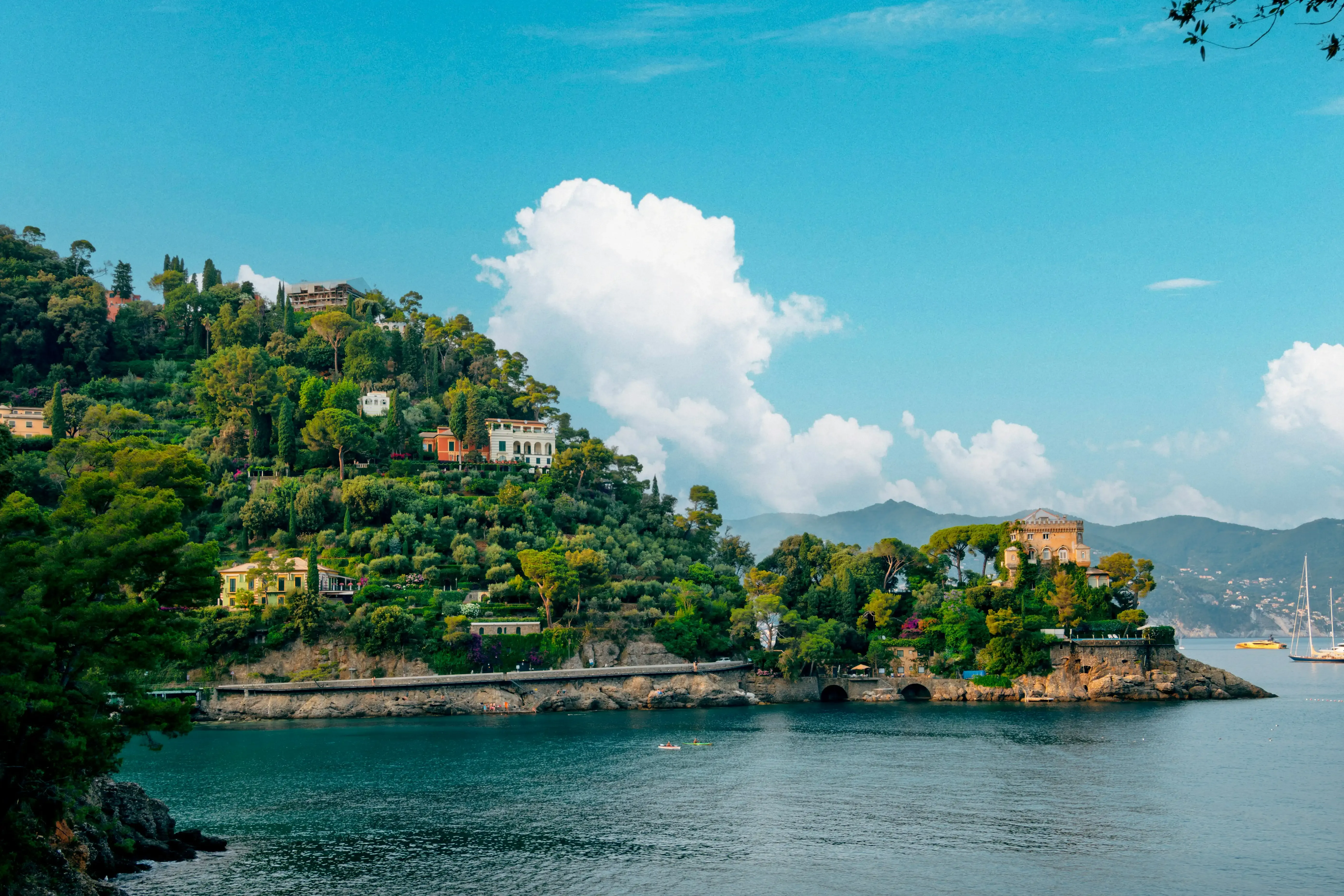
Liguria stretches along the northwestern Italian coast and is famous for its colorful seaside towns, dramatic cliffs, seafood, and the Italian Riviera.
The region's best-known destinations include Genoa, Portofino, and the five villages of Cinque Terre. Cinque Terre is particularly popular with travelers who want a combination of coastal scenery and hiking. The villages are connected by trails and railways, allowing visitors to combine walks with short train journeys.
If you are planning a trip here, our Cinque Terre travel guide covers the best villages and hiking trails and can help you decide how to organize your time.

Genoa
Genoa is often overlooked in favor of more famous Italian destinations, but the historic port city offers a fascinating combination of maritime history, grand palaces, narrow medieval streets, and excellent food.
It can also be a practical gateway to the Ligurian coast. If you are considering staying in the city, our Genoa travel guide covers where to stay, what to see, and how to get there.
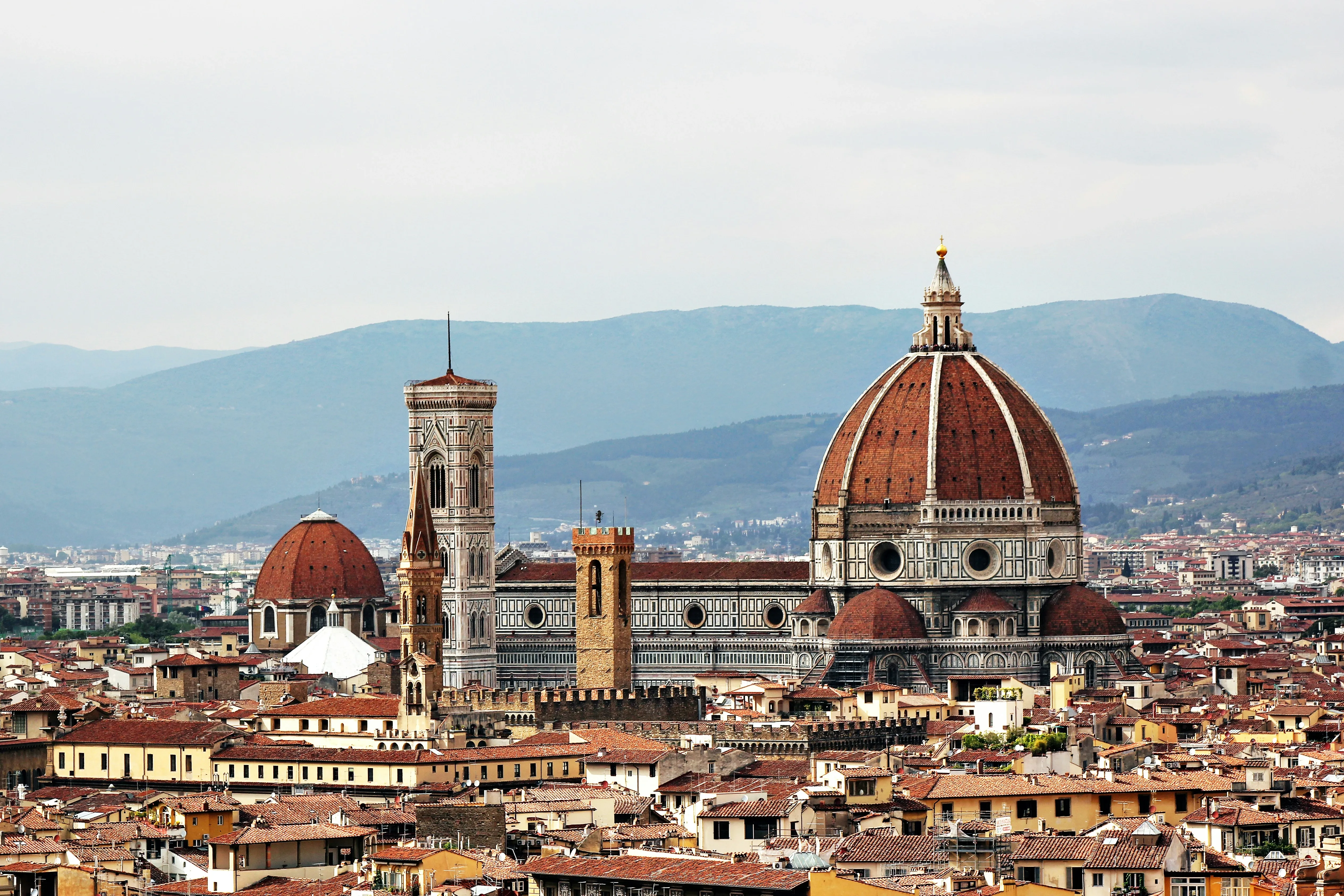
Tuscany & Florence
Tuscany is the Italy many travelers imagine before they ever arrive: rolling hills, vineyards, cypress-lined roads, medieval villages, historic estates, and long lunches overlooking the countryside.
At the heart of the region is Florence, one of Europe's great cultural destinations. The city is closely associated with the Renaissance and is home to masterpieces by artists including Michelangelo, Botticelli, and Leonardo da Vinci.
But Florence is more than its museums. Its food, markets, cafés, architecture, and everyday atmosphere are a major part of the experience. If you want to understand the city beyond the standard sightseeing list, our local's guide to Florence explores its beauty, food, and everyday life.
Food is particularly important in Tuscany, from Florentine steak and ribollita to fresh pasta, pastries, and local wines. For a more focused introduction to eating in the city, see our complete Florence food guide.
Florence is also a natural base for exploring Tuscany's smaller towns and countryside. Depending on your itinerary, you can combine the city with Siena, San Gimignano, Pisa, Chianti, or other Tuscan destinations.

Lombardy & Milan
Milan is Italy's financial and fashion capital and one of the country's most international cities. It is a very different experience from Rome, Florence, or Venice, with a more modern atmosphere, sophisticated restaurants, contemporary architecture, and world-famous shopping.
The Duomo and Galleria Vittorio Emanuele II are obvious highlights, while neighborhoods such as Brera and Navigli offer a more local side of the city.
Milan's location is also one of its biggest advantages. Northern Italy's lakes, wine regions, historic cities, and mountain destinations are all within reach.
Lake Como is one of the most popular day trips, and there are several ways to make the journey. If you are deciding between public transportation, driving, and a private service, our Milan to Lake Como day-trip guide compares the options.
Verona is another popular destination from Milan. For travelers who prefer a more comfortable and flexible journey, our guide to a Milan to Verona day trip with a chauffeur explains how a private journey can work.
Milan can also serve as a base for exploring northern Italy's wine country. Wine lovers can look into wine tours from Milan, including trips to Franciacorta and Valpolicella.
And if shopping is part of your Italian holiday, the Serravalle Designer Outlet is another popular excursion from Milan. Our complete Serravalle Designer Outlet guide explains how to get there and what to know before visiting.

Emilia-Romagna & Rimini
Emilia-Romagna is one of Italy's most rewarding regions for food lovers. It is associated with famous products such as Parmigiano Reggiano, traditional balsamic vinegar, prosciutto, and fresh pasta.
The region also has a strong connection with Italy's Adriatic coast. Rimini is one of the best-known seaside destinations, with long sandy beaches, a lively atmosphere, historic sights, and plenty of opportunities for day trips.
Rimini works particularly well for travelers who want to combine a traditional beach holiday with sightseeing. Our Rimini travel guide explores the city's landmarks, food, and nearby day-trip possibilities.
The wider region is also home to Bologna, Modena, Parma, Ravenna, and other destinations worth considering if you want to explore northern and central Italy beyond the most famous tourist routes.

Campania, Naples & the Amalfi Coast
Southern Italy begins to feel noticeably different from the north. The pace, food, architecture, landscapes, and atmosphere change, and the region of Campania is one of the best places to experience that contrast.
Naples is energetic, chaotic, historic, and intensely local. It is the birthplace of modern pizza and an excellent destination for travelers interested in food, archaeology, street life, and Southern Italian culture.
The city itself offers plenty to explore, from historic churches and underground sites to markets, museums, viewpoints, and pizzerias. Start with our guide to the top things to do in Naples.
Naples is also the gateway to some of Italy's most spectacular coastal destinations.
Amalfi Coast
The Amalfi Coast is famous for its cliffside towns, Mediterranean views, beaches, hiking trails, and winding coastal roads. Positano, Amalfi, Ravello, and other towns each have their own character.
The coast can be challenging to navigate during the busiest months, so transportation and timing are important parts of planning the trip. Our Amalfi Coast guide covers the best towns, beaches, hikes, and ways to get there.
Naples can be combined with the Amalfi Coast, Pompeii, Mount Vesuvius, Capri, or other destinations in Campania to create a varied Southern Italy itinerary.

Sicily
Sicily is Italy's largest island and feels like a destination with its own identity. Its history has been shaped by Greek, Roman, Arab, Norman, Spanish, and Italian influences, leaving behind an extraordinary mix of architecture, food, traditions, and archaeological sites.
The island is ideal for travelers who want a combination of beaches, historic towns, dramatic landscapes, and excellent food.
One of Sicily's defining natural landmarks is Mount Etna, Europe's largest active volcano. Depending on conditions and the season, visitors can explore the mountain through hiking routes, guided excursions, viewpoints, and other experiences.
Sicily is large enough that it is usually better to concentrate on one part of the island rather than attempting to see everything in a few days. Popular bases include Palermo, Catania, Taormina, Syracuse, and smaller coastal towns.

The Italian Mountains & Lakes
Italy is not only a summer destination. The country's northern mountains make it an excellent choice for hiking, skiing, snowboarding, cycling, and nature-focused holidays.
The Dolomites are among the most spectacular mountain landscapes in Europe, while the Italian Alps offer extensive winter sports infrastructure and summer hiking opportunities.
Northern Italy is also famous for its lakes. Lake Como, Lake Garda, and Lake Maggiore combine water, mountains, historic villas, gardens, and picturesque towns.
Lake Como is particularly easy to visit from Milan, making it one of the most popular northern Italy day trips. But staying overnight allows you to experience the lake at a slower pace and visit several towns without rushing.

How Long Do You Need in Italy?
You could spend months traveling around Italy and still only see a fraction of the country.
For a first trip of 3–5 days, it is usually better to focus on one major destination, such as Rome, Venice, Florence, or Milan.
With 7–10 days, you can comfortably combine two or three destinations. Rome and Florence, Milan and Lake Como, or Naples and the Amalfi Coast are examples of combinations that work well.
With two weeks or more, you can begin creating a multi-region itinerary, perhaps combining Rome and Tuscany with northern Italy or continuing south toward Naples and the Amalfi Coast.
The main mistake is trying to fit too much into one trip. Italy rewards travelers who leave enough time to sit down for lunch, wander through a neighborhood, stop in a village, or simply enjoy a long evening rather than constantly moving between attractions.
Getting Around Italy
Italy has an extensive railway network, and trains are often the easiest way to connect major cities.
High-speed trains connect destinations such as Rome, Florence, Bologna, Milan, Naples, and other major cities. Regional trains are useful for shorter journeys and smaller destinations.
Cars become more useful when exploring rural areas, vineyards, mountain regions, and places where public transportation is limited. However, driving in historic city centers can be complicated because of restricted traffic zones, narrow streets, and limited parking.
For travelers who prefer door-to-door transportation, Kiwitaxi Private Transfer can be a convenient option for airport transfers and journeys between cities, resorts, hotels, and other destinations.
A private transfer can be especially useful when you arrive at an unfamiliar airport, have several pieces of luggage, travel with children, or simply don't want to navigate trains and buses immediately after a flight.
For longer sightseeing trips, a Kiwitaxi Chauffeur option can provide more flexibility. Instead of arranging separate transportation for each leg of the journey, you can have a private driver available for a set period and build your route around several stops.
This can work particularly well for trips such as Milan to Lake Como, Milan to Verona, wine-country excursions, or coastal itineraries where you want to visit several places in one day.
If you want to understand how Kiwitaxi services work, including private transfers and chauffeur services, check our dedicated guide to Kiwitaxi services. The article also includes a 5% discount that travelers can use when booking their service.

Italy Travel FAQ
Is Italy good for a first trip to Europe?
Absolutely. Italy combines famous landmarks, excellent food, diverse landscapes, and a relatively easy transportation network. It is possible to build a trip around cities, beaches, mountains, history, food, or a mixture of all of them.
Which part of Italy should I visit first?
For a first visit, Rome, Florence, Venice, or Milan are the easiest starting points depending on your interests. If beaches are your priority, consider the Amalfi Coast, Sicily, Sardinia, Puglia, or the Adriatic coast. For mountains, look toward the Alps and Dolomites.
Is Italy expensive?
Italy can accommodate different budgets. Major tourist cities and destinations such as Venice, Milan, Lake Como, and the Amalfi Coast can be expensive, particularly during peak season. An average meal with a drink might cost roughly 20-25 euros per person. Smaller towns, local restaurants, regional trains, and travel outside the busiest months can make a trip considerably more affordable.
Can I travel around Italy without a car?
Yes. The major cities are well connected by train, and many popular tourist destinations can be reached by public transportation. A car becomes more useful when exploring rural Tuscany, wine regions, mountain areas, or parts of southern Italy where connections can be less frequent.
How far in advance should I plan an Italy trip?
For peak summer travel and popular destinations such as Venice, Florence, Rome, the Amalfi Coast, and Lake Como, booking accommodation and major transportation in advance is advisable. AT least three months in advance, depending on where you're traveling from. Outside peak periods, you generally have more flexibility.
Explore Italy Guides
Italy has a way of overwhelming you with options — in the best possible way. We've gathered all our Italy travel guides in one place: city breakdowns, regional day trips, how-to-get-there comparisons, and honest advice on when a private transfer actually beats the train. Whether you're planning your first trip or filling in the gaps on a route you've done before, start here.

Best Things to Do Around the Colosseum: Rome Attractions, Tours & Insider Tips

Fiumicino Airport to Rome Hotels: Transportation Options for Every Budget

Fiumicino Airport (FCO) to Rome City Center: Complete Transportation Guide
Rome Travel Guide by @vilettv: Hidden Gems, Best Cafés, Gelato & Boutique Hotels

Rome in a Day & 3 Days in Rome: The Ultimate Itineraries for Every Traveler

Rome: La Dolce Vita in Every Corner — travel guide by Olivia (@doinglifewithliv)

How to Get from Venice Airport to Venice: Routes, Times & Prices Explained

Rome Airport to City with Kids: Best Family Transfer Options
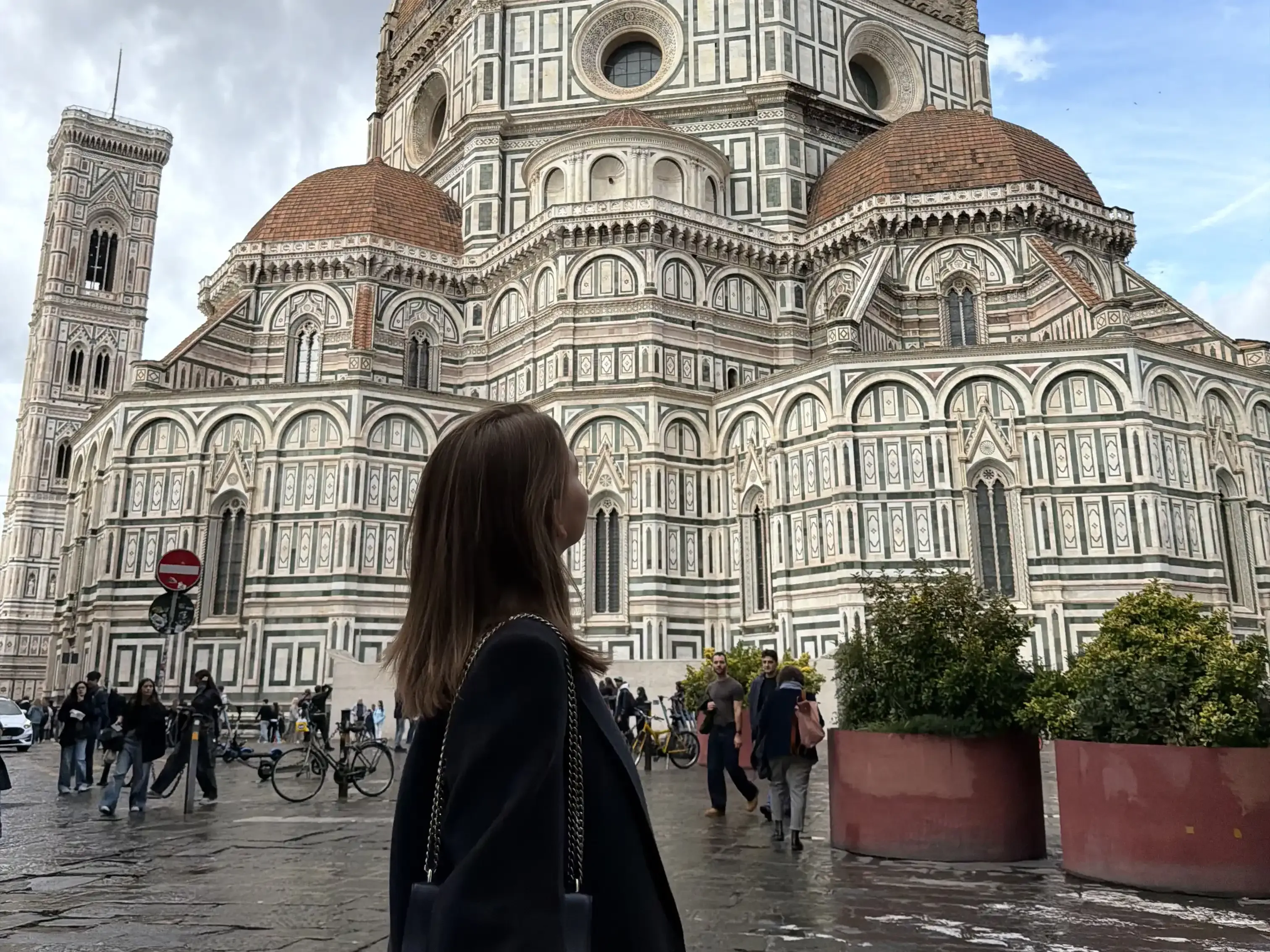
A Taste of Florence: Your Complete Food Guide

Rome Travel Guide 2026: Best Time to Visit, Where to Stay & What Not to Miss
Day Trip from Rome to Pompeii and the Amalfi Coast
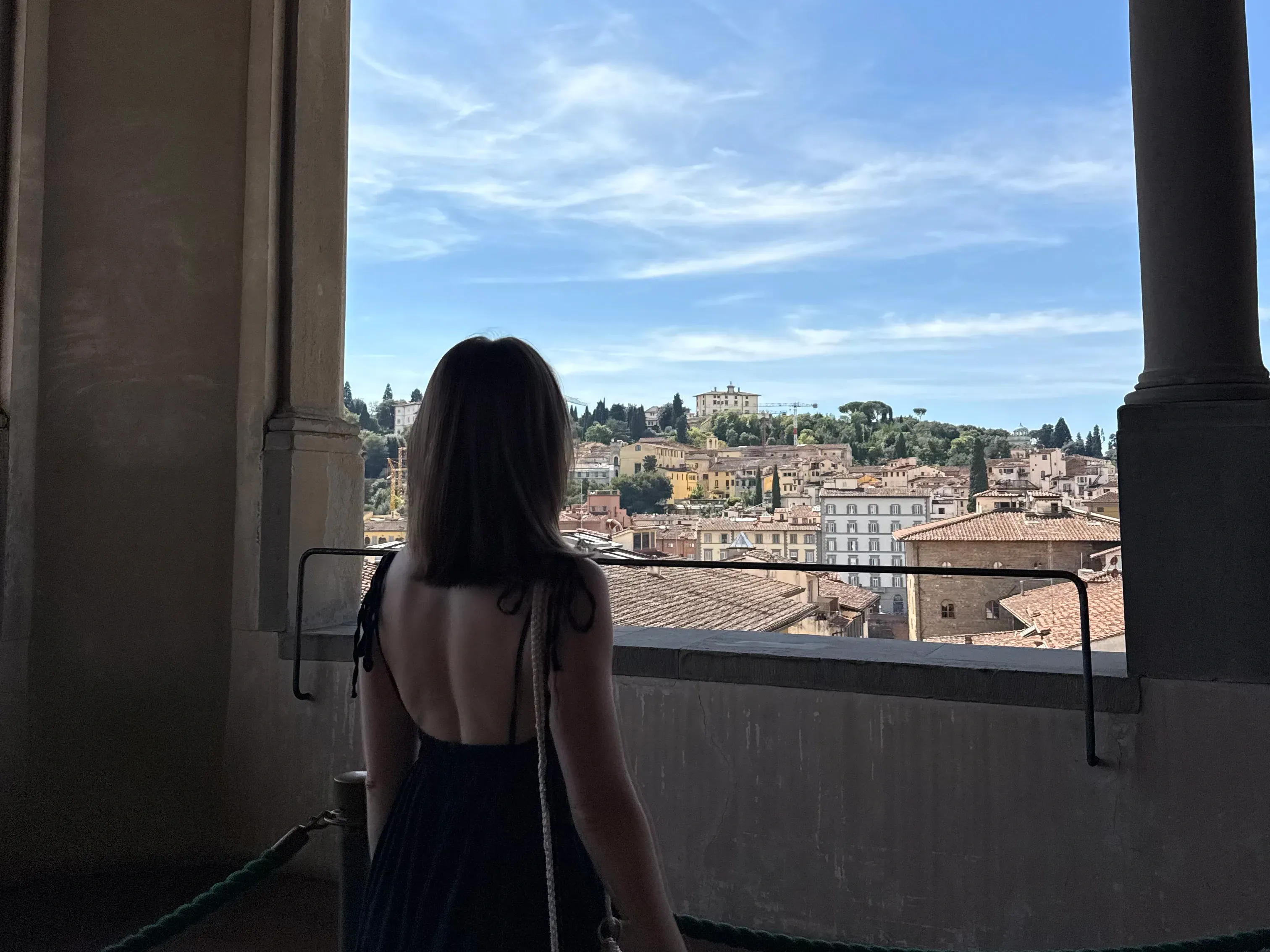
Discover Florence: A Local’s Take on Beauty, Food & Life in Tuscany
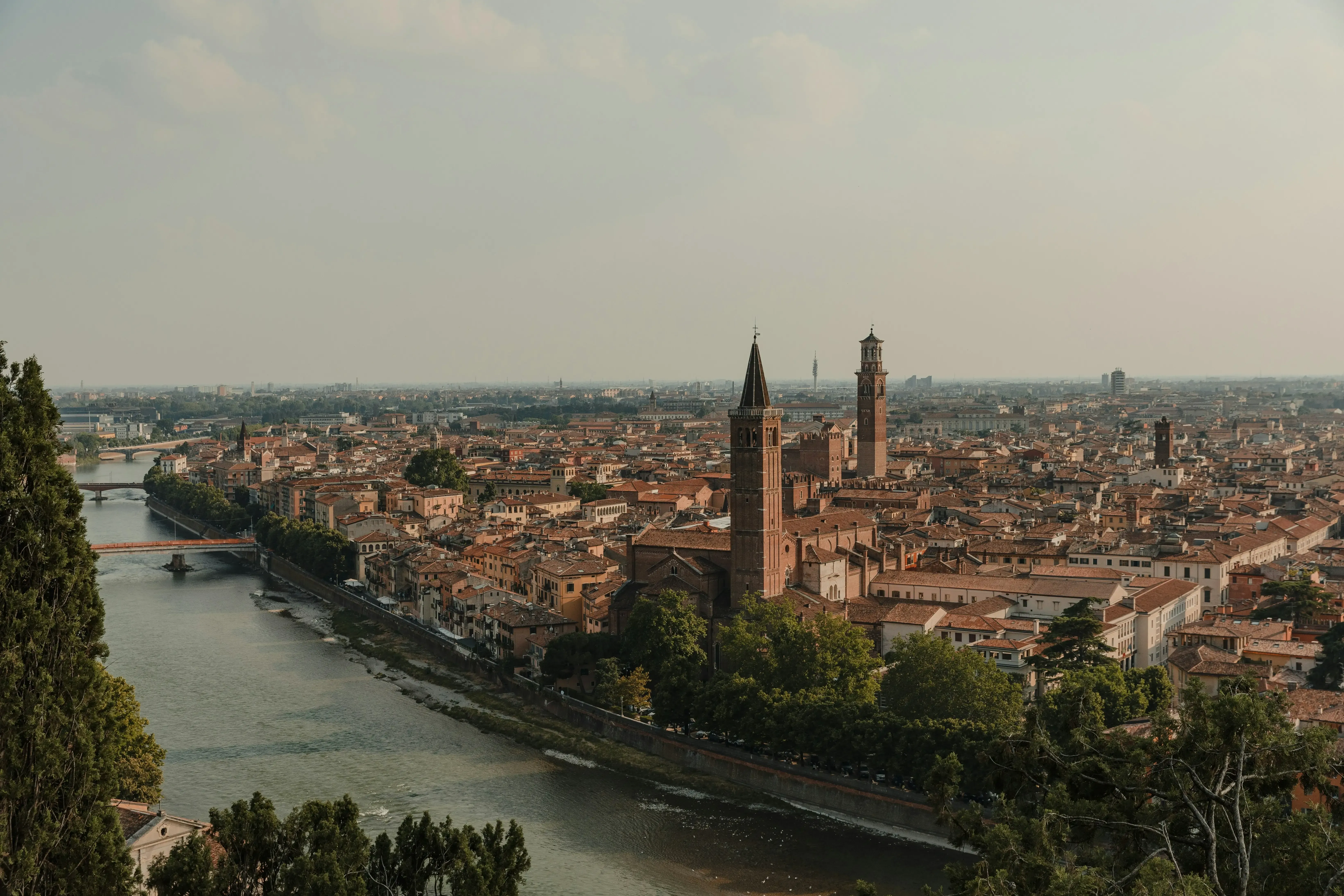
Milan to Verona Day Trip with a Chauffeur

Serravalle Designer Outlet: Complete Guide & How to Get There (2026)

Best Day Trips from Milan with a Private Driver: Lake Como, Verona & Beyond

Milan to Lake Como Day Trip: Train vs Car vs Chauffeur Service

Best Wine Tours from Milan: Franciacorta, Valpolicella & Chauffeur Hire

Top Things to Do in Naples

Venice for First-Timers: The Only Guide You Need

Mount Etna: How to Visit and Hike

Where Italians Actually Vacation in Italy

Best Time to Visit Italy: Find the Right Season for Your Trip

Amalfi Coast: The Best Towns, Beaches, Hikes and How to Get There

10 Unforgettable Day Trips from Rome, Italy: Ancient Towns, Best Beaches & Countryside Escapes

Venice Without the Crowds: An Escape Guide

What It's Really Like to Live in Venice

Best Hotels in Rome for Every Budget: Luxury, Boutique & Budget Stays
Genoa Travel Guide 2026: Where to Stay, What to See & How to Get There

Elba Island Travel Guide 2026: Where to Stay, What to See & How to Get There

How to Get from Turin Airport to Val Thorens (and Which Way Is Actually Worth It)

Landing in Italy? Your Ride Is Ready
Pre-book your private driver, skip the taxi line, and get to your hotel with a fixed price and no surprises.
Book a transferExplore Venice Guides
How to Get from Venice Airport to Venice: Routes, Times & Prices Explained
What It's Really Like to Live in Venice
Venice Without the Crowds: An Escape Guide
Venice for First-Timers: The Only Guide You Need

Venice Cruise Port Guide: Airport Transfer and Getting to St. Mark's Square

Private Chauffeur Service for Day Trips from Milan
Explore Lake Como, the Italian Riviera, wineries, and hidden villages with your own private driver. Flexible hourly hire with no fixed itineraries, no rushing, and no stress - just comfortable travel, wherever the road takes you.
Book a chauffeur