'%3e%3cpath%20d='M43.073%200.00649261H15.0943V3.94346H43.073V0.00649261Z'%20fill='url(%23kiwitaxi-grad)'%20/%3e%3cpath%20d='M15.0828%203.94346C16.1928%203.94346%2017.0512%203.06513%2017.0512%201.97497C17.0512%200.874164%2016.1822%200.00649261%2015.0828%200.00649261C14.0362%200.00649261%2013.1379%200.851916%2013.1379%201.97497C13.1379%203.10916%2014.0478%203.94346%2015.0828%203.94346Z'%20fill='white'%20/%3e%3cpath%20d='M43.0614%203.94346C44.1715%203.94346%2045.0299%203.06513%2045.0299%201.97497C45.0299%200.874164%2044.1609%200.00649261%2043.0614%200.00649261C42.0149%200.00649261%2041.1166%200.851916%2041.1166%201.97497C41.1166%203.10916%2042.0265%203.94346%2043.0614%203.94346Z'%20fill='white'%20/%3e%3cpath%20d='M19.5921%2038.5052V39.828H23.1471V26.0491H19.5921V27.3446C18.895%2026.5789%2017.4549%2025.8841%2015.7339%2025.8841C11.8502%2025.8841%208.78975%2028.7578%208.78975%2032.939C8.78975%2037.1374%2011.8702%2039.9935%2015.7339%2039.9935C17.4938%2039.9935%2018.932%2039.2691%2019.5921%2038.5052ZM12.2892%2032.939C12.2892%2030.5715%2013.929%2029.1912%2015.9819%2029.1912C18.0106%2029.1912%2019.5647%2030.5845%2019.5647%2032.939C19.5647%2035.2579%2017.9768%2036.6869%2015.9823%2036.6869C13.9596%2036.6869%2012.2892%2035.264%2012.2892%2032.939Z'%20fill='white'%20/%3e%3cpath%20d='M44.7174%2026.0496H41.4289V39.8281H44.7174V26.0496Z'%20fill='white'%20/%3e%3cpath%20d='M32.2183%2035.7001L29.3455%2039.8281H24.94L30.044%2032.8552L25.1624%2026.0496H29.7075L32.3295%2029.8985L35.035%2026.0496H39.4405L34.5599%2032.7435L39.6361%2039.8281H35.1189L32.2183%2035.7001Z'%20fill='white'%20/%3e%3cpath%20d='M3.34504%2022.9604V26.0496H7.4039V29.0939H3.34504V34.2781C3.34504%2035.9866%204.33971%2036.7008%205.955%2036.7008C6.54504%2036.7008%207.16659%2036.5766%207.63241%2036.235V39.4341C7.04237%2039.7757%206.14133%2039.9931%204.89915%2039.9931C1.8243%2039.9931%200.0226746%2038.1293%200.0226746%2034.9298V22.96H3.34504Z'%20fill='white'%20/%3e%3cpath%20d='M36.2094%208.57428L33.307%2016.8723L30.43%208.57428H27.7621L24.8597%2016.8723L21.9828%208.57428H18.4884L23.2157%2021.4188H26.5037L29.084%2014.4093L31.6629%2021.4188H34.951L39.6782%208.57428H36.2094Z'%20fill='white'%20/%3e%3cpath%20d='M44.7174%208.57381H41.4289V21.4188H44.7174V8.57381Z'%20fill='white'%20/%3e%3cpath%20d='M16.7387%208.57381H13.4502V21.4188H16.7387V8.57381Z'%20fill='white'%20/%3e%3cpath%20d='M11.7001%208.57382L6.07922%2014.1326L12.1622%2021.4188H8.05929L3.92163%2016.28L3.3455%2016.8538V21.4188H0.0226746V3.94299H3.3455V12.7574L7.59764%208.57382H11.7001Z'%20fill='white'%20/%3e%3c/g%3e%3cdefs%3e%3clinearGradient%20id='kiwitaxi-grad'%20x1='15.0945'%20y1='1.97497'%20x2='43.073'%20y2='1.97497'%20gradientUnits='userSpaceOnUse'%3e%3cstop%20stop-color='%2300D2CD'%20stop-opacity='0'%20/%3e%3cstop%20offset='1'%20stop-color='%2300D2CD'%20/%3e%3c/linearGradient%3e%3cclipPath%20id='kiwitaxi-clip'%3e%3crect%20width='46'%20height='40'%20fill='white'%20/%3e%3c/clipPath%3e%3c/defs%3e%3c/svg%3e)


I've lived in Venice for four years, and the sentence I hear most often coming from tourists is some version of
It must be so hard living in such a crowded city.
Honestly, it's easier than you'd think, because most tourists are concentrated in a surprisingly small area.
The city is much bigger than it looks from the San Marco end, and once you know where to go, you can walk around in complete peace even in July.
The thing is, a huge number of visitors never leave the San Marco area. They walk the same streets, eat at the same restaurants, photograph the same things, and go home thinking that's all Venice has to offer (it really isn't).
Venice is divided into six districts called sestieri, and while San Marco and San Polo are absolutely worth seeing, they're just the opening act.
In this guide I want to take you through the three quietest sestieri (Dorsoduro, Castello, and Cannaregio) plus a bonus island that most tourists never bother crossing to. That’s the Venice that locals love.

Dorsoduro
Dorsoduro is my personal favourite part of the city, and it's genuinely sooo underrated. It has the calm you need during peak tourist season. Here, university students spill into the squares, locals run actual errands, and the bars exist for drinking rather than for posing in. If you want to understand what Venetian life actually looks and feels like, this is where you start.
What to See
1. Chiesa di San Pantalon
Don't be fooled by the exterior. This church looks like someone ran out of budget halfway through building it: unfinished brick facade, no ornamentation, thoroughly uninspiring from the outside. But the moment you step in and look up, you'll understand why people have been known to cry here.
What looks like an enormous fresco is actually a huge painting on canvas, made up of 44 canvases joined together and covering 443 square metres. The painting was created by Giovanni Antonio Fumiani over more than 20 years, from 1680 to 1704. It's considered the largest work of art on canvas in the world.
When you go, bring a small coin for the machine near the entrance that activates the ceiling lights. Without them the natural light really doesn't do the painting justice, and there's an extraordinary amount of detail up there.
Entry is free, and opening hours are Monday to Saturday, 10:00 to 12:30 and 15:30 to 18:00.
2. Campo Santa Margherita
One of Venice's most lived-in squares. Students gather here, dogs wander through, market stalls set up in the morning, and in the late afternoon the whole place fills up for aperitivo. That's the best time to come and just sit with a drink and watch everyone.
Beware of the seagulls. I've personally been attacked there twice, and both times my pizza vanished from my hand and into a seagull's mouth before I could even react.

3. Rio delle Romite
This canal isn't famous and it's not on any top-ten list. It's just one of those spots where you stop walking and stare: little bridges, ivy on the walls, reflections in the water, almost nobody around. Wander without a destination anywhere near here and you'll start to understand why painters have been obsessed with Venice for centuries.
This is genuinely my most favourite spot in all of Venice. Once you’re there, you’ll understand why.

4. Squero di San Trovaso
One of the last traditional gondola boatyards still in operation. You can watch craftsmen repair and build gondolas from across the canal while having a coffee or a spritz, and it's one of those moments where Venice starts feeling like a real, working city (and not just an open air museum).
The best place to get that spritz is right across the canal at Osteria Al Squero, where there's a great-value cicchetti bar with Aperol, good snacks, and a canal view.
One fair warning. AGAIN. The seagulls here are completely unhinged (just like everywhere else in Venice, honestly). They will attempt to steal your food with the confidence of someone who has never once been told no, and they get genuinely aggressive about it. Keep an eye on your cicchetti.
Just around the corner from the boatyard is Gelateria da Nico. Ask for their specialty, the Gianduiotto. I'm not going to describe it, just trust me and order it.
5. Fondamenta Zattere
A long waterfront promenade facing the Giudecca Canal, with open sky, lagoon light, and good walking. Try to be here around sunset if you can.

6. Punta della Dogana and the Fondamenta degli Incurabili
As you walk from Zattere toward the tip of Dorsoduro, you'll pass along the stretch of waterfront historically called the Fondamenta degli Incurabili, now known as Fondamenta delle Zattere.
The name comes from the old hospital that once stood here for those dying of plague, the incurabili, or incurables.
It's also what gave its name to one of the most beautiful essays ever written about Venice: Nobel laureate Joseph Brodsky visited the city almost every winter for nearly two decades, and in 1989 he wrote Watermark (published in Italian as Fondamenta degli Incurabili), a love letter to the city in prose that reads like poetry. Worth reading before or after your trip.
At the very tip of the sestiere, Punta della Dogana gives you one of the best views in all of Venice: the Grand Canal opening up in front of you, San Marco framed across the water, boats passing through, and almost no one around. It's a great spot for photos.
7. Basilica di Santa Maria della Salute
Right nearby stands the great domed church that has become one of the city's most recognisable silhouettes.
It was built after the devastating plague of 1630 as a votive offering to the Virgin Mary, and every November Venetians still cross a temporary pontoon bridge to attend Mass here, a tradition that has continued for nearly 400 years.
Inside, the restrained and elegant interior makes the Titian and Tintoretto works stand out beautifully.
8. Ponte dell'Accademia
My favourite bridge in all of Venice, no contest. The view over the Grand Canal from the top is genuinely breathtaking, and crossing it brings you into the San Marco sestiere, which makes it a natural endpoint for the walk.

The Dorsoduro Walk (2 to 3 hours)
Start at Chiesa di San Pantalon and remember to look up
Wander through Campo Santa Margherita
Drift along Rio delle Romite
Walk the Zattere waterfront
Stop at Squero di San Trovaso for cicchetti, and guard them from the seagulls
Get a gelato dessert (Gianduiotto) at Gelateria da Nico
Continue to Punta della Dogana for the view, then finish at Santa Maria della Salute around sunset
Castello
Castello is the largest sestiere in Venice and one of the most surprising. You start near the grand Renaissance architecture of the San Marco end, and as you walk east, the city quietly changes character around you. By the time you reach the far end, elderly Venetians are sitting outside their doors, kids are playing football in the campos, and the whole tourist machine feels very far away. It's one of the most authentically local corners of the city.

What to See
1. Basilica dei Santi Giovanni e Paolo
If I could recommend only one church after San Pantalon, it would be this one. It's enormous, Gothic, and somehow still not on every tourist itinerary.
It's the burial place of 25 Venetian doges, making it roughly Venice's equivalent of Westminster Abbey.
The soaring interior is packed with monuments, sculptures, and works by Giovanni Bellini. Don't skip it.
2. Scuola di San Giorgio degli Schiavoni
This is one of the city's great hidden treasures and, honestly, my personal test for whether someone has really explored Venice. Inside is a small hall covered with paintings by Vittore Carpaccio depicting saints, dragons, and scenes from everyday 16th-century Venetian life.
It's intimate, quiet, and feels almost completely unchanged since it was painted. If you loved the discovery feeling of San Pantalon, you'll love this place.
3. Arsenale di Venezia
This was the industrial engine of the Venetian empire. At its peak, the Arsenale could produce warships at something close to an assembly-line pace, centuries before anyone used that term, and it was one of the main reasons Venice became a Mediterranean superpower. Today you can admire the monumental entrance guarded by stone lions and get a real sense of the scale of what once happened behind these walls.
4. Libreria Acqua Alta
You've almost certainly seen this bookshop on Instagram: the gondola full of books, the canal access, the photogenic cats.

Since this is technically an escape guide, I probably should tell you to skip it, but honestly it's up to you.
It is genuinely very crowded and nearly impossible to browse the books properly. The shop assistants always tell you to keep walking the bookshop route with no stops longer than 5-10 seconds.
However, you can at least pet their library cat or buy cute postcards (if you're quick about it).
Right next to the bookshop, seek out Ponte dei Conzafelzi, a small bridge where two canals converge into one. It's a rarer sight in Venice than you'd think and makes for a lovely photo.
5. Via Garibaldi
This is one of the least "Venetian-looking" streets in the city, and that's exactly what makes it worth visiting.
It's unusually wide because it was created by filling in an actual canal.
It's lined with cafés, wine bars, bakeries, and small local shops. In the evening it belongs almost entirely to the neighbourhood.
My tip: get your cicchetti at Al Calice. The bread is warm and crunchy, the toppings are excellent, and I can't gatekeep it. I’d recommend ordering the baccalà mantecato in particular. My friends still dream about these cicchetti long after leaving Venice.
6. Chiesa di San Pietro di Castello
Before San Marco became Venice's religious centre, this was the city's cathedral, which surprises almost every visitor who makes it out here. It's tucked away in a quiet corner most tourists never reach, surrounded by peaceful canals and with an atmosphere that feels more like a village than a major European city. Exactly the kind of place this guide exists to send you to.

7. Giardini della Biennale
The largest public gardens in the historic centre, and a genuinely lovely place to slow down. They're especially peaceful outside the main Biennale exhibition periods.
8. Sant'Elena
This is my absolute favourite place in Venice when I need to decompress. There are trees, grassy areas, a marina, and wide lagoon views, and barely any tourists make it this far east.
It's perfect for a picnic or just sitting somewhere quiet with a book.
If Zattere is Venice's elegant promenade, Sant'Elena is its quiet park by the water.
The Castello Walk (3 to 4 hours)
Basilica dei Santi Giovanni e Paolo
Scuola di San Giorgio degli Schiavoni
Wander toward the Arsenale di Venezia
Aperitivo on Via Garibaldi, cicchetti at Al Calice
Giardini della Biennale
Chiesa di San Pietro di Castello
Finish at Sant'Elena for sunset
Cannaregio
When someone tells me they want to feel like they're living in Venice rather than just visiting it, I send them to Cannaregio. It's less polished than Dorsoduro, less grand than Castello, and more intimate than anything near San Marco. You get long canals instead of piazzas, neighbourhood wine bars instead of tourist terraces, some of the city's richest history, and locals who seem genuinely unbothered by your presence.
What to See
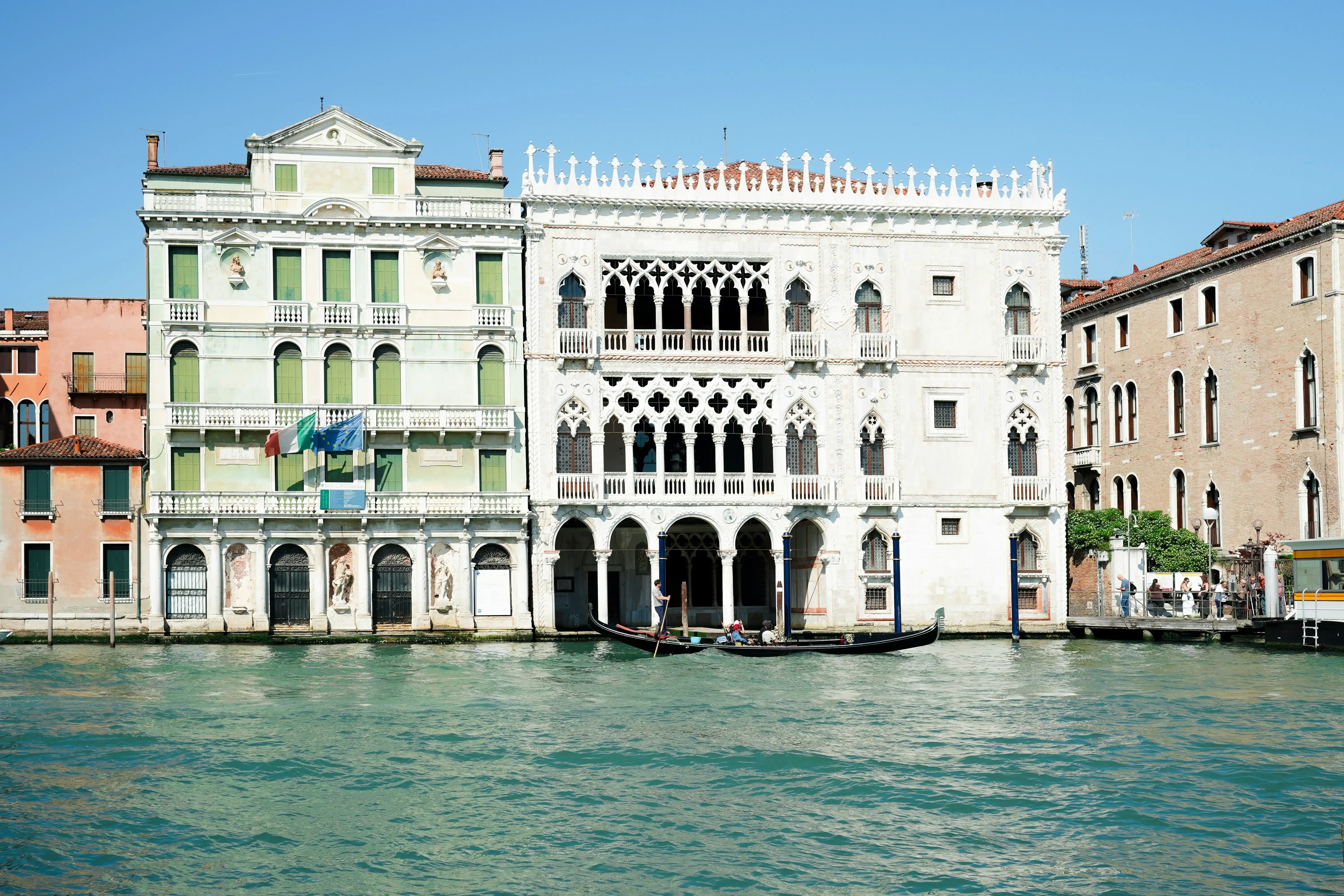
1. Ca' d'Oro
One of the most beautiful palaces on the Grand Canal, and worth seeing even if you don't go inside.
The facade once shimmered with actual gold leaf, which is where the name "House of Gold" comes from.
It now houses a fine collection of Renaissance sculpture and painting, but even a view from the water will make you understand why Venice's architecture has driven so many people to write very long letters home.
2. Rio della Misericordia
This long canal is lined with bacari (Venetian wine bars), with people sitting right on the fondamenta with spritzes in hand, students, locals, and nobody trying to sell you a gondola ride. If you only have one evening in Cannaregio, spend it here.

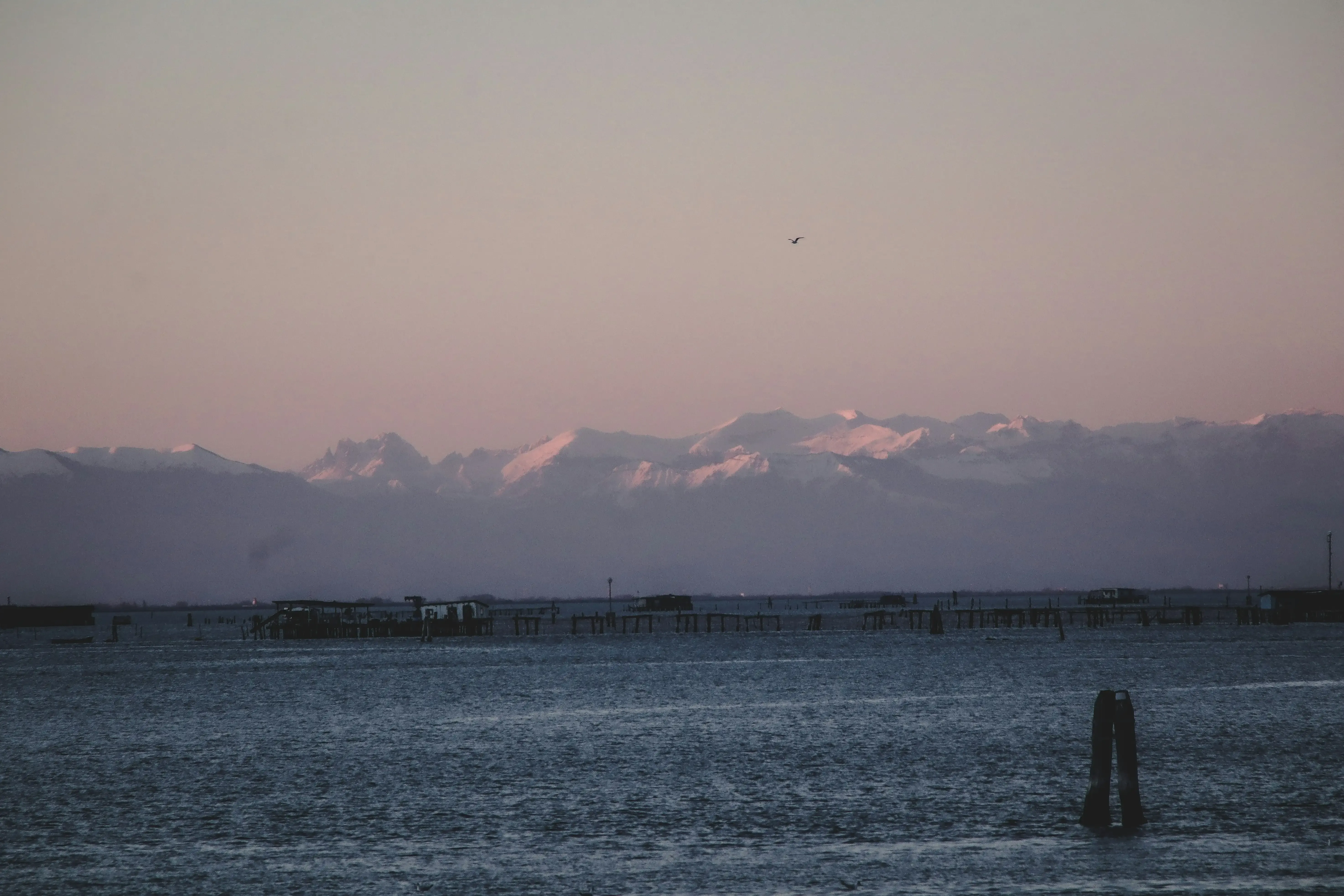
3. Fondamenta Sacca San Girolamo
My favourite spot in Cannaregio for simply sitting and existing.
It may come as a surprise, but on a clear day you can see the Alps from here.
Right next to it is Baia del Re, with an open view over the water. There's almost always someone there with pizza watching the sun go down, and if you arrive first, claim that spot immediately.
4. Ponte dei Tre Archi
One of only two remaining three-arched bridges in Venice. It marks the quieter northern edge of the city and makes for a lovely destination if you enjoy wandering off the usual routes, which, if you've read this far, I'm guessing you do.
5. Hidden Corners
A few places I'd feel guilty not mentioning: Calle Varisco, at around 53 cm wide, is the narrowest street in Venice, not so much a tourist attraction as a proof of concept. And Squero Vecio is a small historic gondola workshop tucked well away from the crowds.
The Cannaregio Evening
Cannaregio rewards wandering more than it rewards planning, but as a loose itinerary:
Arrive in the late afternoon,
Wander to Ca' d'Oro,
Cross toward Rio della Misericordia as the light turns golden,
Find a bacaro and order a spritz,
Walk north to Fondamenta Sacca San Girolamo for sunset over the water.
Bonus: Giudecca

Giudecca is the Venice most visitors never actually discover, which is strange because it’s right there across the canal. Most people look at it from Zattere and don't bother crossing over, which is honestly fine by the locals. A lot of Venetians say it feels more like a small island town than part of a city.
To reach Giudecca, you need to get the public waterbus, called vaporetto ( 75-minute ticket costs around €9.50).
The main thing to do here is walk the Fondamenta della Giudecca, nearly two kilometres of waterfront with sweeping views of Santa Maria della Salute, the San Marco Campanile, Punta della Dogana, and a constant stream of boats crossing the canal. It's one of the most peaceful walks in the lagoon.
Go without a plan, walk the length of it, and try to be there for sunset.
The Districts in Brief
Dorsoduro: art, churches, students, golden-hour walks along Zattere, and the world's biggest canvas hiding behind a very unimpressive facade
Cannaregio: local life, canalside evenings, Jewish heritage, and Tintoretto masterpieces in quiet corners
Castello: doges, sailors, quiet eastern neighbourhoods, and the Venice that keeps going long after the tourists have turned back
Giudecca: space, silence, and the best view of Venice that Venice has to offer
Getting to Venice from the airport
If you're flying into Venice, it's worth planning your journey into the city in advance. For a hassle-free arrival, you can book a Kiwitaxi transfer before your trip. Your driver will meet you at the airport, there's no waiting around for transport, and you'll be taken directly to Venice with a fixed price.
Not sure which option is best for you? I've also put together a detailed guide comparing all the ways to get from Venice Marco Polo Airport to the city. You can read it here:

Kiwitaxi Airport Transfers
Relax and enjoy the ride, knowing that every detail is managed for your peace of mind
ExploreExplore Venice Guides

How to Get from Venice Airport to Venice: Routes, Times & Prices Explained

What It's Really Like to Live in Venice

Venice Without the Crowds: An Escape Guide
Venice for First-Timers: The Only Guide You Need
