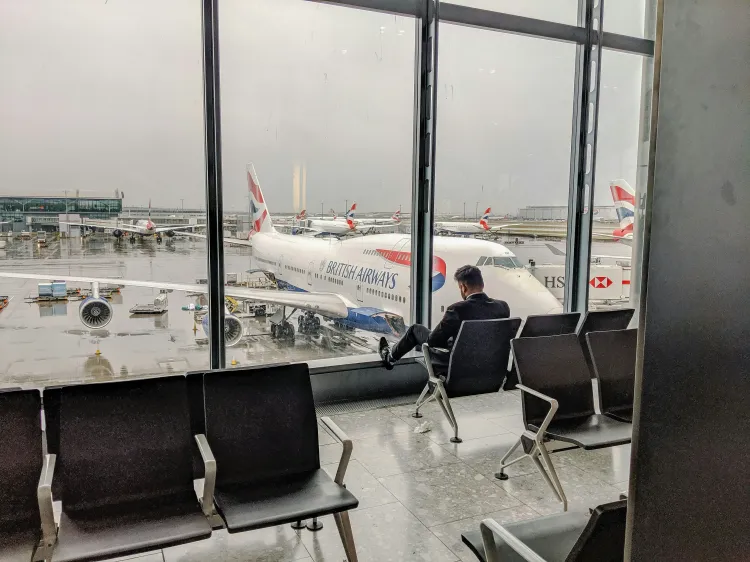
The Middle East crisis that erupted in late February 2026 triggered the biggest wave of flight cancellations since the pandemic. British Airways has suspended all routes to Dubai, Doha, Bahrain, Amman and Tel Aviv until at least 31 May. Abu Dhabi is cancelled until later in the year. Tens of thousands of bookings - Easter breaks, honeymoons, family reunions - are suddenly in limbo.
But here's the thing: Europe is stunning in spring, flights are still plentiful, and some of these alternatives genuinely rival Dubai or Jordan for sunshine, food, culture and sheer wow-factor. We've rounded up the 10 best destinations to pivot to right now - with real prices, hotel picks, and practical transfer tips for each.
What to do first if your flight is cancelled
Finding out your flight is cancelled is stressful. But how you respond in the first 24–48 hours makes a huge difference to what you end up with — a full refund and a brilliant alternative trip, or a voucher you didn't ask for and a complicated claim that drags on for months. Here's exactly what to do, step by step.
Step 1: Don't accept a voucher — demand a refund or rebooking
This is the single most important thing to know. When an airline cancels your flight, you are legally entitled to choose between a full cash refund or rebooking on an alternative route at no extra cost. You are not obligated to accept a travel voucher or credit, no matter how the airline phrases it. Airlines often make vouchers the most prominent option because it's better for their cash flow. Don't click it automatically. Look for the refund or "rebook" option — it may take more clicks to find. The hack: If you booked via a third-party site (Skyscanner, Kayak, Expedia, etc.), go directly to the airline's own website or app to manage the cancellation. Third-party platforms sometimes add a layer of friction that slows your options down.
Step 2: Call within 48 hours — and have alternatives ready
Airline phone queues during a disruption event are brutal. While you're waiting on hold, use the time to research alternative flights yourself so you know exactly what you want when you get through. The hack: Call the airline's international number rather than the UK freephone line — they often have shorter queues. Alternatively, try the airline's social media DMs (Twitter/X, WhatsApp Business) — during large disruption events, social teams sometimes respond faster than phone agents. If your airline is part of a major alliance (OneWorld, Star Alliance, SkyTeam), ask specifically about rebooking onto partner airline metal — not just the same airline's next available date. This opens up far more routing options, often with better availability.
Step 3: Check what your travel insurance actually covers
Pull out your policy now, before you do anything else. Most comprehensive travel insurance policies cover:
Full trip cancellation if your flight is cancelled due to an FCO travel warning (check if your destination is listed) "Disinclination to travel" — some premium policies let you cancel and claim even if your flight technically still operates but you don't want to go Consequential losses: pre-booked hotels, transfers, tours that you can no longer use
The hack: If your FCO has issued a "do not travel" advisory for your destination, this is your strongest claim trigger — document the exact date and wording of the advisory when you file. Screenshot it immediately as these pages get updated regularly. If you booked with a credit card, you may also have Section 75 protection (UK) or chargeback rights that cover package holidays and flight+hotel bundles — worth checking with your card provider regardless of travel insurance.
Step 4: If your flight is still operating but you don't want to go
This is trickier. If the airline hasn't cancelled the route, you're not automatically entitled to a refund. But you have more options than you might think:
Check the FCO advisory — if your government has advised against travel to your destination, most travel insurers will pay out even if the airline hasn't cancelled Look for schedule changes — if the airline has changed your departure time by more than 2–3 hours (varies by airline), this often qualifies as a significant change, entitling you to a refund
Ask about fee-free date changes — many airlines introduced flexible booking policies during the current disruption period. BA, easyJet and others have explicitly allowed free date changes on routes affected by the crisis. Always ask even if it's not advertised Flexible fares — if you booked a flex or fully flexible fare, you can change dates with no fee regardless
Step 5: Rebook strategically — not just the nearest available date
If you're rebooking rather than refunding, resist the urge to just take the next available flight to the same destination. This is the moment to actually reconsider where you're going. The hack: Ask the airline agent what destinations they have good availability for in your travel window rather than naming a specific place. Agents have visibility across the full network and sometimes the best-value alternative isn't the one you'd think to ask for. For connecting flights that route through the affected region, ask explicitly for routings that avoid Middle Eastern airspace entirely — via Europe or South/Southeast Asia depending on your destination.
Step 6: Document everything
Keep a record of every communication: screenshots of the cancellation notice, names of agents you spoke to, dates and times of calls, any emails or chat transcripts. If you end up in a dispute over a refund or insurance claim, a clear paper trail is your strongest asset.
The hack: Email yourself a summary of every phone call immediately after it ends — subject line, date, agent name, what was agreed. This takes two minutes and has saved countless travellers from "we have no record of that conversation" disputes.