'%3e%3cpath%20d='M43.073%200.00649261H15.0943V3.94346H43.073V0.00649261Z'%20fill='url(%23kiwitaxi-grad)'%20/%3e%3cpath%20d='M15.0828%203.94346C16.1928%203.94346%2017.0512%203.06513%2017.0512%201.97497C17.0512%200.874164%2016.1822%200.00649261%2015.0828%200.00649261C14.0362%200.00649261%2013.1379%200.851916%2013.1379%201.97497C13.1379%203.10916%2014.0478%203.94346%2015.0828%203.94346Z'%20fill='white'%20/%3e%3cpath%20d='M43.0614%203.94346C44.1715%203.94346%2045.0299%203.06513%2045.0299%201.97497C45.0299%200.874164%2044.1609%200.00649261%2043.0614%200.00649261C42.0149%200.00649261%2041.1166%200.851916%2041.1166%201.97497C41.1166%203.10916%2042.0265%203.94346%2043.0614%203.94346Z'%20fill='white'%20/%3e%3cpath%20d='M19.5921%2038.5052V39.828H23.1471V26.0491H19.5921V27.3446C18.895%2026.5789%2017.4549%2025.8841%2015.7339%2025.8841C11.8502%2025.8841%208.78975%2028.7578%208.78975%2032.939C8.78975%2037.1374%2011.8702%2039.9935%2015.7339%2039.9935C17.4938%2039.9935%2018.932%2039.2691%2019.5921%2038.5052ZM12.2892%2032.939C12.2892%2030.5715%2013.929%2029.1912%2015.9819%2029.1912C18.0106%2029.1912%2019.5647%2030.5845%2019.5647%2032.939C19.5647%2035.2579%2017.9768%2036.6869%2015.9823%2036.6869C13.9596%2036.6869%2012.2892%2035.264%2012.2892%2032.939Z'%20fill='white'%20/%3e%3cpath%20d='M44.7174%2026.0496H41.4289V39.8281H44.7174V26.0496Z'%20fill='white'%20/%3e%3cpath%20d='M32.2183%2035.7001L29.3455%2039.8281H24.94L30.044%2032.8552L25.1624%2026.0496H29.7075L32.3295%2029.8985L35.035%2026.0496H39.4405L34.5599%2032.7435L39.6361%2039.8281H35.1189L32.2183%2035.7001Z'%20fill='white'%20/%3e%3cpath%20d='M3.34504%2022.9604V26.0496H7.4039V29.0939H3.34504V34.2781C3.34504%2035.9866%204.33971%2036.7008%205.955%2036.7008C6.54504%2036.7008%207.16659%2036.5766%207.63241%2036.235V39.4341C7.04237%2039.7757%206.14133%2039.9931%204.89915%2039.9931C1.8243%2039.9931%200.0226746%2038.1293%200.0226746%2034.9298V22.96H3.34504Z'%20fill='white'%20/%3e%3cpath%20d='M36.2094%208.57428L33.307%2016.8723L30.43%208.57428H27.7621L24.8597%2016.8723L21.9828%208.57428H18.4884L23.2157%2021.4188H26.5037L29.084%2014.4093L31.6629%2021.4188H34.951L39.6782%208.57428H36.2094Z'%20fill='white'%20/%3e%3cpath%20d='M44.7174%208.57381H41.4289V21.4188H44.7174V8.57381Z'%20fill='white'%20/%3e%3cpath%20d='M16.7387%208.57381H13.4502V21.4188H16.7387V8.57381Z'%20fill='white'%20/%3e%3cpath%20d='M11.7001%208.57382L6.07922%2014.1326L12.1622%2021.4188H8.05929L3.92163%2016.28L3.3455%2016.8538V21.4188H0.0226746V3.94299H3.3455V12.7574L7.59764%208.57382H11.7001Z'%20fill='white'%20/%3e%3c/g%3e%3cdefs%3e%3clinearGradient%20id='kiwitaxi-grad'%20x1='15.0945'%20y1='1.97497'%20x2='43.073'%20y2='1.97497'%20gradientUnits='userSpaceOnUse'%3e%3cstop%20stop-color='%2300D2CD'%20stop-opacity='0'%20/%3e%3cstop%20offset='1'%20stop-color='%2300D2CD'%20/%3e%3c/linearGradient%3e%3cclipPath%20id='kiwitaxi-clip'%3e%3crect%20width='46'%20height='40'%20fill='white'%20/%3e%3c/clipPath%3e%3c/defs%3e%3c/svg%3e)

Barcelona understands how to seduce people slowly.
Not immediately — although the first glimpse of Gaudí’s impossible architecture usually helps — but gradually, over long afternoons and even longer evenings. A coffee stretches into wine. A walk through the Gothic Quarter becomes dinner near the sea. Sunlight lingers on sandstone buildings while the city refuses to rush toward night. Somewhere between beach mornings, tapas bars, modernist facades, and late dinners beneath narrow balconies, Barcelona starts feeling less like a trip and more like a lifestyle temporarily borrowed from someone else.5
The city has always balanced contrasts unusually well. Roman ruins sit beneath medieval streets. Gothic churches face avant-garde architecture. Local markets operate beside luxury boutiques. Catalan identity remains fiercely present even while millions of visitors move through the city each year.
And then there’s the Mediterranean itself — constantly shaping the rhythm of life here. Barcelona feels different from inland European capitals because the sea softens everything: the light, the pace, even the way people gather outside late into the evening.
Historically, Barcelona grew from a Roman settlement into one of the Mediterranean’s most important trading cities before becoming the artistic and industrial center of Catalonia. By the late 19th century, wealth and creative ambition transformed the city architecturally. Antoni Gaudí, Lluís Domènech i Montaner, and other Catalan modernists turned ordinary buildings into works of imagination that still make Barcelona visually unlike anywhere else in Europe.
But what keeps people returning isn’t only the architecture. It’s the atmosphere — energetic but relaxed, elegant without feeling overly formal, creative without trying too hard.
Barcelona rewards wandering more than scheduling.
Three days gives you the icons. A week starts teaching you the rhythm.

Getting to Barcelona
By Air
Barcelona-El Prat Airport (BCN) sits approximately 15 km southwest of the city center and serves as one of southern Europe’s major international gateways.
Direct flights connect Barcelona with most European capitals alongside extensive routes to North America, Latin America, the Middle East, and Asia. Airlines operate especially heavily during spring and summer, when tourism peaks across the Mediterranean.
Worth knowing: Barcelona remains extremely busy between May and September, particularly around weekends and major festivals.
By Train
Barcelona is exceptionally well-connected by high-speed rail. AVE trains link the city with Madrid, Valencia, Seville, Málaga, and France via direct routes to Paris and southern French cities.
Barcelona Sants railway station functions as the city’s main rail hub.
Arriving in Barcelona: What to Expect
Barcelona-El Prat is modern, efficient, and relatively easy to navigate.
By Aerobús
The Aerobús shuttle connects the airport with Plaça de Catalunya in approximately 30–40 minutes and remains one of the easiest public transport options for visitors.
By Metro
The L9 Sud metro line connects the airport directly with Barcelona’s wider metro network.
By Taxi
Official black-and-yellow taxis operate throughout the airport with regulated fares into the city center.
By Private Transfer
A Kiwitaxi private transfer from Barcelona Airport provides fixed pricing, hotel drop-off, and a significantly smoother arrival experience — especially useful for families, late-night arrivals, or travelers staying in the Gothic Quarter where navigating luggage through narrow streets can become frustrating.
Getting Around Barcelona
Barcelona is one of Europe’s most walkable major cities.
Walking
Much of the historic center — including the Gothic Quarter, El Born, Barceloneta, and Eixample — is best explored on foot. Streets constantly reveal hidden plazas, balconies, bakeries, and small cafés between larger landmarks.
Metro
Barcelona’s metro system is fast, clean, affordable, and one of the easiest ways to move across the city efficiently.
Buses & Trams
Buses cover routes not directly served by metro lines, while trams mainly connect outer districts.
Bicycles
Barcelona’s flat coastline and cycling infrastructure make bikes increasingly popular for both locals and visitors.
Best Time to Visit Barcelona
April to June
Arguably the ideal period. Warm temperatures, long daylight hours, outdoor dining, and manageable crowds combine into nearly perfect city conditions.
July to August
Peak tourism season. Beaches fill quickly, temperatures rise above 30°C, nightlife intensifies, and major attractions become significantly busier.
September to October
One of the best times to visit. The sea remains warm, summer crowds begin thinning, and evenings become more comfortable for walking and outdoor dining.
November to March
Winter is quieter and mild compared with much of Europe. Cooler evenings arrive, but sunny afternoons remain common.

Where to Stay in Barcelona
Gothic Quarter (Barri Gòtic)
Historic streets, medieval architecture, plazas, nightlife, and walking access to many major attractions.
Eixample
Elegant boulevards, modernist buildings, shopping, restaurants, and easy metro access across the city.
El Born
Creative, stylish, and atmospheric — filled with wine bars, boutiques, galleries, and narrow historic streets.
Barceloneta
Best for beach access and seafood restaurants beside the Mediterranean.
Best Things to Do in Barcelona
Visit Sagrada Família
Sagrada Família remains one of the world’s most extraordinary architectural projects — part basilica, part dreamscape, still unfinished more than a century after construction began.
Inside, sunlight filters through stained glass columns like light moving through a forest.
Explore Park Güell
Park Güell combines mosaic terraces, whimsical architecture, gardens, and panoramic city views in a way only Gaudí could have imagined.
Arrive early morning for softer light and fewer crowds.
Wander the Gothic Quarter
Gothic Quarter is Barcelona at its most atmospheric — medieval alleys, hidden courtyards, Roman remnants, candlelit bars, and narrow streets that seem designed for getting slightly lost.
Walk Along Barceloneta Beach
Barceloneta Beach gives the city one of Europe’s rare combinations: a major cultural capital directly connected to urban beaches.
Late afternoon and sunset are the best times to go once the strongest heat fades.
Visit La Boqueria Market
Mercat de Sant Josep de la Boqueria remains one of Europe’s most famous food markets — jamón hanging from stalls, fresh seafood, tropical fruit juices, olives, cheeses, and tapas counters operating at full intensity.
Come hungry.
See Casa Batlló & Casa Milà
Gaudí’s residential buildings transform ordinary apartment architecture into surreal art — curved balconies, organic forms, colorful facades, and interiors that feel almost dreamlike.
Watch Sunset from Bunkers del Carmel
Bunkers del Carmel offers panoramic views across the city toward the Mediterranean and became one of Barcelona’s favorite sunset spots among locals and visitors alike.

Food & Drink in Barcelona
Barcelona’s food culture revolves around sharing — tapas, vermouth, seafood, wine, and meals that extend deep into the evening.
Patatas bravas, jamón ibérico, pan con tomate, grilled octopus, croquetas, anchovies, and fresh seafood dominate many menus.
Catalan cuisine feels distinct from other parts of Spain — Mediterranean, seasonal, and heavily tied to local produce and seafood traditions.
Dinner rarely begins early. Restaurants often reach their best atmosphere after 9 PM.
Day Trips from Barcelona with Kiwitaxi
Montserrat
Montserrat combines dramatic mountain formations with a historic monastery overlooking Catalonia’s landscapes.
Sitges
Coastal beaches, whitewashed streets, and a relaxed Mediterranean atmosphere only a short drive from Barcelona.
Girona
A beautifully preserved medieval city with stone streets, colorful riverside houses, and one of Spain’s most atmospheric old towns.
Costa Brava
Hidden coves, turquoise water, fishing villages, and dramatic coastline north of Barcelona.
Kiwitaxi chauffeur hire service make combining coastal towns, wineries, mountain monasteries, and smaller Catalan villages significantly easier than relying entirely on train schedules.
Practical Notes for Visiting Barcelona
The euro is the local currency. Card payment is accepted almost everywhere.
Catalan and Spanish are both spoken throughout the city. English is common in tourist areas.
Pickpocketing exists, particularly in crowded areas like La Rambla and metro stations. Awareness matters more than anxiety.
Lunch and dinner happen later than in much of Europe. Adapting to local meal times makes the city feel noticeably more natural.
Barcelona lives outdoors — terraces, plazas, beaches, promenades, markets, and long evening walks all shape daily life here.
The city doesn’t ask visitors to slow down completely.
It simply convinces them they’d probably enjoy life more if they did.

Best Picks for True Adventurers

Barcelona: Hidden Bites, Secret Sips & Sunshine Tips by Nancy Sevilla

Top 10 Must-See Attractions in Barcelona: Ultimate Sightseeing Guide

Barcelona Airport to Sagrada Família: Best Transfer Options, Prices & Travel Times
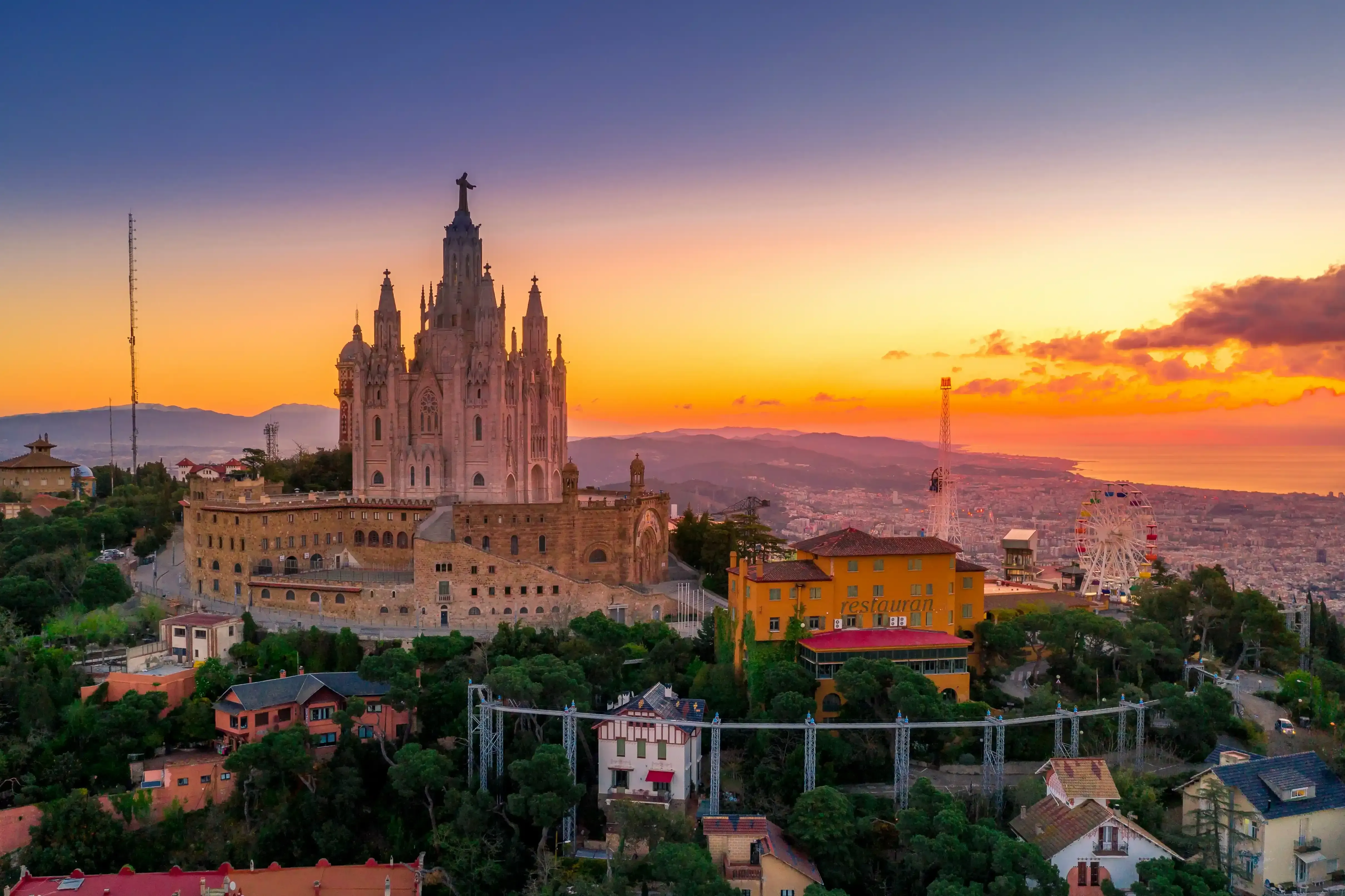
Barcelona Neighborhoods Guide: Where to Stay & What to Expect in Each Barrio

Skip the Taxi Queue in Barcelona
Private airport transfers with fixed prices, flight tracking, and a driver waiting when you land.
Book a transferExplore All Guides
Barcelona Neighborhoods Guide: Where to Stay & What to Expect in Each Barrio

Discover Paris: A Guide to Iconic Landmarks, Historic Cafés & Legendary Stores

Osaka Travel Guide: Top Things to Do & Food Spots

First-Timer's Japan Handbook: 10 Essential Travel Tips + Etiquette FAQ

Rome in a Day & 3 Days in Rome: The Ultimate Itineraries for Every Traveler

Barcelona Airport to Gothic Quarter: Fastest Transfer Options, Prices & Travel Tips

Ultimate Japan Itineraries: Discover the Best of Japan in 7 or 14 Days

More than the Eiffel Tower: Best Things to Do In Paris

Best hotels in Albania: Tirana, Saranda, Vlorë & Durres

Rome: La Dolce Vita in Every Corner — travel guide by Olivia (@doinglifewithliv)
Barcelona Airport to Sagrada Família: Best Transfer Options, Prices & Travel Times

Paris Food Guide: Eiffel Tower View Restaurants & Rooftop Dining

18 Things You Need to Know Before Visiting Croatia

10 Unforgettable Day Trips from Rome, Italy: Ancient Towns, Best Beaches & Countryside Escapes
A Taste of Florence: Your Complete Food Guide

Best Day Trips from Milan with a Private Driver: Lake Como, Verona & Beyond

10 Best Holiday Alternatives to the Middle East for Spring 2026

Best Things to Do Around the Colosseum: Rome Attractions, Tours & Insider Tips

Barcelona vs Madrid: Which City Is Better to Visit in Spain?
Barcelona: Hidden Bites, Secret Sips & Sunshine Tips by Nancy Sevilla

Best eSIM for Japan 2026

Budapest Travel Tips: Beyond the Obvious

Best Hotels in Rome for Every Budget: Luxury, Boutique & Budget Stays

Cinque Terre Travel Guide: Best Villages & Trails

Best Wine Tours from Milan: Franciacorta, Valpolicella & Chauffeur Hire
Milan to Verona Day Trip with a Chauffeur

South Korea Travel Guide: Best Cultural, Beauty & Wellness Experiences in Seoul, Busan & Jeonju

Best Things to Do in Singapore: Food, Views & Hidden Gems

Free eSIM Trial: Where to Get Free Data

Hoi An Travel Guide: Hidden Gems, Spas & Local Experiences
