'%3e%3cpath%20d='M43.073%200.00649261H15.0943V3.94346H43.073V0.00649261Z'%20fill='url(%23kiwitaxi-grad)'%20/%3e%3cpath%20d='M15.0828%203.94346C16.1928%203.94346%2017.0512%203.06513%2017.0512%201.97497C17.0512%200.874164%2016.1822%200.00649261%2015.0828%200.00649261C14.0362%200.00649261%2013.1379%200.851916%2013.1379%201.97497C13.1379%203.10916%2014.0478%203.94346%2015.0828%203.94346Z'%20fill='white'%20/%3e%3cpath%20d='M43.0614%203.94346C44.1715%203.94346%2045.0299%203.06513%2045.0299%201.97497C45.0299%200.874164%2044.1609%200.00649261%2043.0614%200.00649261C42.0149%200.00649261%2041.1166%200.851916%2041.1166%201.97497C41.1166%203.10916%2042.0265%203.94346%2043.0614%203.94346Z'%20fill='white'%20/%3e%3cpath%20d='M19.5921%2038.5052V39.828H23.1471V26.0491H19.5921V27.3446C18.895%2026.5789%2017.4549%2025.8841%2015.7339%2025.8841C11.8502%2025.8841%208.78975%2028.7578%208.78975%2032.939C8.78975%2037.1374%2011.8702%2039.9935%2015.7339%2039.9935C17.4938%2039.9935%2018.932%2039.2691%2019.5921%2038.5052ZM12.2892%2032.939C12.2892%2030.5715%2013.929%2029.1912%2015.9819%2029.1912C18.0106%2029.1912%2019.5647%2030.5845%2019.5647%2032.939C19.5647%2035.2579%2017.9768%2036.6869%2015.9823%2036.6869C13.9596%2036.6869%2012.2892%2035.264%2012.2892%2032.939Z'%20fill='white'%20/%3e%3cpath%20d='M44.7174%2026.0496H41.4289V39.8281H44.7174V26.0496Z'%20fill='white'%20/%3e%3cpath%20d='M32.2183%2035.7001L29.3455%2039.8281H24.94L30.044%2032.8552L25.1624%2026.0496H29.7075L32.3295%2029.8985L35.035%2026.0496H39.4405L34.5599%2032.7435L39.6361%2039.8281H35.1189L32.2183%2035.7001Z'%20fill='white'%20/%3e%3cpath%20d='M3.34504%2022.9604V26.0496H7.4039V29.0939H3.34504V34.2781C3.34504%2035.9866%204.33971%2036.7008%205.955%2036.7008C6.54504%2036.7008%207.16659%2036.5766%207.63241%2036.235V39.4341C7.04237%2039.7757%206.14133%2039.9931%204.89915%2039.9931C1.8243%2039.9931%200.0226746%2038.1293%200.0226746%2034.9298V22.96H3.34504Z'%20fill='white'%20/%3e%3cpath%20d='M36.2094%208.57428L33.307%2016.8723L30.43%208.57428H27.7621L24.8597%2016.8723L21.9828%208.57428H18.4884L23.2157%2021.4188H26.5037L29.084%2014.4093L31.6629%2021.4188H34.951L39.6782%208.57428H36.2094Z'%20fill='white'%20/%3e%3cpath%20d='M44.7174%208.57381H41.4289V21.4188H44.7174V8.57381Z'%20fill='white'%20/%3e%3cpath%20d='M16.7387%208.57381H13.4502V21.4188H16.7387V8.57381Z'%20fill='white'%20/%3e%3cpath%20d='M11.7001%208.57382L6.07922%2014.1326L12.1622%2021.4188H8.05929L3.92163%2016.28L3.3455%2016.8538V21.4188H0.0226746V3.94299H3.3455V12.7574L7.59764%208.57382H11.7001Z'%20fill='white'%20/%3e%3c/g%3e%3cdefs%3e%3clinearGradient%20id='kiwitaxi-grad'%20x1='15.0945'%20y1='1.97497'%20x2='43.073'%20y2='1.97497'%20gradientUnits='userSpaceOnUse'%3e%3cstop%20stop-color='%2300D2CD'%20stop-opacity='0'%20/%3e%3cstop%20offset='1'%20stop-color='%2300D2CD'%20/%3e%3c/linearGradient%3e%3cclipPath%20id='kiwitaxi-clip'%3e%3crect%20width='46'%20height='40'%20fill='white'%20/%3e%3c/clipPath%3e%3c/defs%3e%3c/svg%3e)


There is an old joke among Greek ferry captains, or perhaps it is only something a captain once told me, that no two islands in the Aegean are ever quite as close as they look on paper. A map flattens water into a fixed, reassuring distance, and the sea itself does not honor that promise. Wind changes a two-hour crossing into a canceled one.
A flight path connects two islands that a boat would need a full day and a transfer to link. I think about this every time someone asks me, with real confidence, to simply point at where they should go in Greece, as though the country were a single place rather than a scattered archipelago of them, each with its own logic, its own rhythm, its own version of what a short trip actually means.
This guide exists to replace that flattened map with something closer to how Greece actually works: a mainland built from distinct regions, and a sea full of island groups that connect easily within themselves and far less easily with each other. Understanding that structure, rather than a list of famous names, is what separates a workable itinerary from one that quietly falls apart somewhere around day four.
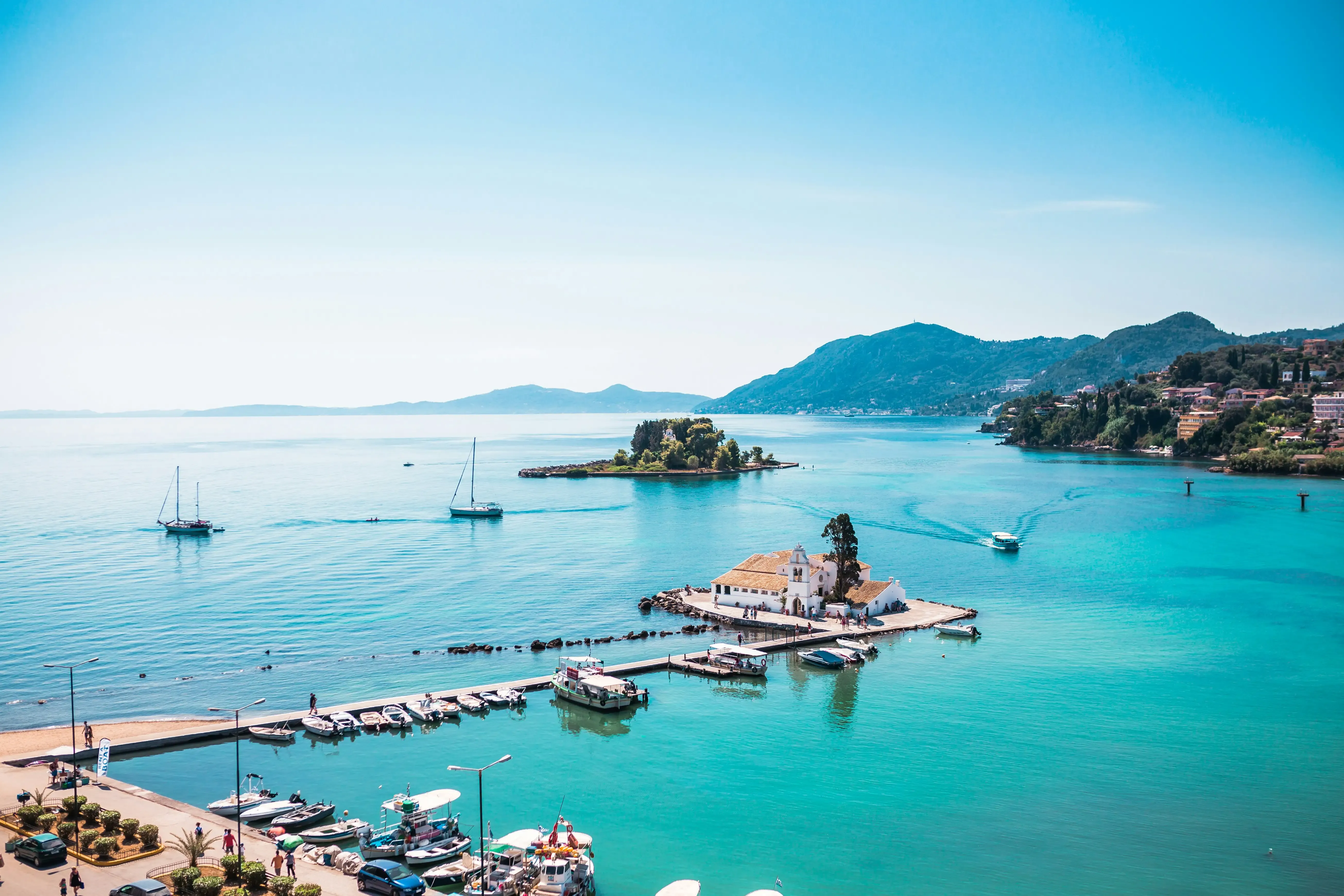
Greece's Regions at a Glance
Region | Key Places | Known For |
Attica | Athens, Cape Sounion | The capital, ancient sites, the gateway to everywhere else |
Central Greece | Delphi | Ancient sanctuaries and a landscape of mountains and coastline |
Peloponnese | Olympia, Nafplio, Mystras | Ancient ruins, mountain villages, a slower, more layered pace |
Epirus | Ioannina, Zagori | Mountains, gorges, and some of the least-visited landscapes on the mainland |
Thessaly | Volos, Meteora | Meteora's monastery-topped rock formations, and a bridge region to the Sporades islands |
Macedonia | Thessaloniki, Halkidiki | Greece's second city, strong food culture, beach peninsulas near Halkidiki |
Thrace | Alexandroupoli, Xanthi | The least-visited corner of mainland Greece, with a distinct multicultural history |
Cyclades | Santorini, Mykonos, Paros, Naxos | The postcard image of Greece, and the easiest island group to hop between |
Saronic Islands | Aegina, Hydra, Poros, Spetses | The closest islands to Athens, and the easiest day trips of any group on this list |
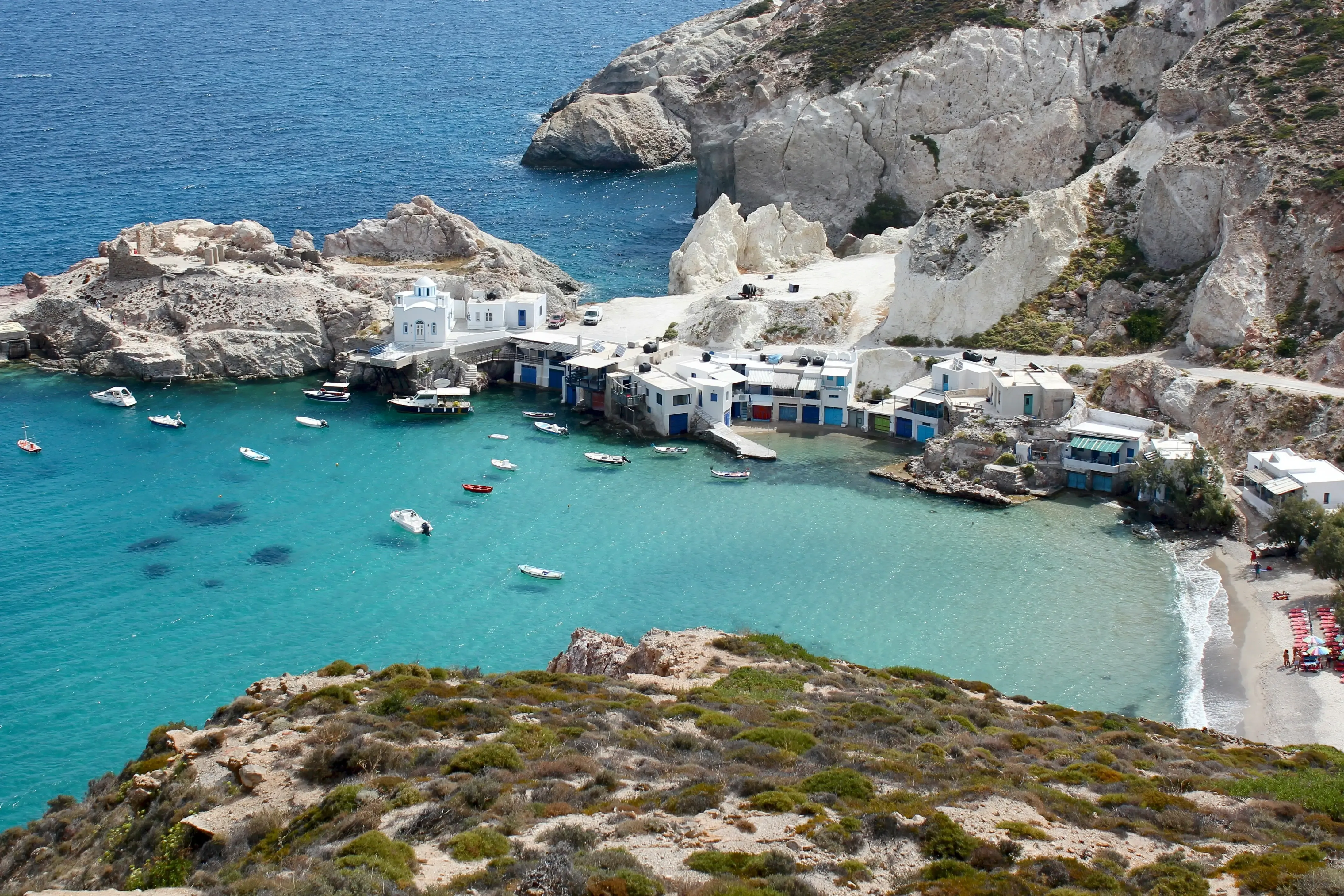
Dodecanese | Rhodes, Kos, Patmos | Closer to Turkey than to Athens, with a mixed Byzantine, Ottoman, and Italian history |
Ionian Islands | Corfu, Kefalonia, Zakynthos | Lush, green, Venetian-influenced, and calmer seas than the Aegean |
North Aegean Islands | Chios, Lesbos, Samos | Less touristed, closer to Turkey, distinct local character |
Sporades | Skiathos, Skopelos | Small, forested, easily reached from the mainland near Volos |
Crete | Chania, Heraklion, Rethymno | Large enough to feel like its own country, with four distinct sub-regions |
Mainland Regions

Attica
Attica holds Athens, Greece's capital and the point of entry for most travelers, along with Cape Sounion and its clifftop Temple of Poseidon a short drive south of the city. Nearly every Greek itinerary begins here, whether the traveler stays a single night before catching a ferry or spends several days working through the city's ancient sites, including the Acropolis.
Central Greece
Central Greece holds one of the country's most striking mainland sites: Delphi, the ancient sanctuary once considered the navel of the world, set on a hillside overlooking the Gulf of Corinth. It pairs naturally into a mainland-focused itinerary alongside Athens, without needing a ferry or a flight at all.
Peloponnese
The Peloponnese peninsula, connected to the rest of the mainland by a narrow isthmus, holds some of Greece's most significant archaeological sites, including Olympia and the temple ruins scattered throughout the region. Its pace tends to feel more serene than the islands during peak season, with fewer crowds and a landscape that shifts from coastline to mountain village within a short drive.
Epirus
Epirus, in Greece's northwest, remains one of the least-visited mainland regions, and that relative obscurity is exactly its appeal. Mountain towns like Ioannina and the dramatic gorges of the Zagori region reward travelers looking for a version of Greece defined by forest and stone rather than sea and sand.
Thessaly
Thessaly serves as something of a bridge region, connecting the historical sites of Central Greece to the Sporades islands off its eastern coast. Meteora, where Byzantine-era monasteries sit improbably atop towering rock pillars, is located within Thessaly's Trikala regional unit, close to the region's western edge, while the port city of Volos offers ferry connections onward to Skiathos and Skopelos.
Macedonia
Macedonia, in Greece's north, centers on Thessaloniki, the country's second-largest city and a food culture distinct enough from Athens that many Greeks consider it a rival rather than a runner-up. The Halkidiki peninsula, with its three narrow, finger-like extensions into the Aegean, gives the region some of the mainland's best beaches without needing an island at all.
Thrace
Thrace, Greece's northeasternmost region, sees the fewest international visitors of any mainland area, shaped by a multicultural history that blends Greek, Ottoman, and Balkan influence more visibly than almost anywhere else in the country.
Island Groups Explained
Greek islands do not exist as a single undifferentiated mass. They cluster into groups, and understanding those clusters matters more than knowing any single island's name, since ferries and flights generally connect islands within the same group far more easily than they connect islands across different groups.

Cyclades
The Cyclades, home to Santorini, Mykonos, Paros, and Naxos among others, form the most visited and most easily combined island group in Greece. Ferries run frequently between them in summer, which makes island-hopping within this group the most realistic version of that popular travel fantasy. Our full guide to the best beaches in Greece covers several standout Cycladic beaches in more depth.
Saronic Islands
The Saronic, or Argo-Saronic, Islands, including Aegina, Hydra, Poros, and Spetses, sit closer to Athens than any other island group in the country, with several reachable in as little as 40 to 90 minutes by ferry from Piraeus. That proximity makes them the most practical option for a single day trip rather than a multi-day stay, and Hydra in particular draws visitors for an unusual detail: the island bans motor vehicles entirely, leaving donkeys and small boats as the primary means of getting around.
Dodecanese
The Dodecanese, anchored by Rhodes, sit closer to Turkey than to Athens and carry a layered history of Byzantine, Ottoman, and Italian rule that shows up clearly in the architecture of towns like Rhodes's Old Town. Connections within the group work reasonably well, though reaching the Dodecanese from the Cyclades typically requires a flight back through Athens rather than a direct ferry hop.
Ionian Islands
The Ionian Islands, including Corfu, Kefalonia, and Zakynthos, sit on Greece's western side, facing Italy rather than Turkey, and their lush, green landscape and Venetian architectural influence set them apart from the drier, whitewashed look of the Aegean islands. Our complete Corfu travel guide goes into detail on the largest and most visited island in this group. The Ionian Sea also tends to see calmer conditions than the Aegean, particularly compared to the strong summer winds that can disrupt Cycladic ferry schedules.
North Aegean Islands
The North Aegean Islands, including Chios, Lesbos, and Samos, see considerably fewer international visitors than the Cyclades or Dodecanese, and they reward travelers looking for a more understated, locally paced version of island life.
Sporades
The Sporades, a small cluster including Skiathos and Skopelos, sit just off the coast of Thessaly and are easily reached from the mainland port of Volos, making them a practical add-on for travelers building a mainland-and-island itinerary without wanting a long ferry commitment.
Crete
Crete stands apart from every other island group on this list, largely because of its size. Divided into four regions, Chania, Rethymno, Heraklion, and Lasithi, Crete functions almost like its own small country, with enough beaches, mountain villages, and archaeological sites, including the palace of Knossos, to fill a full trip on its own.
How the Regions Connect: Distances and Travel Times

From Athens, the mainland regions of Central Greece and the Peloponnese sit within a two-to-four-hour drive, making them realistic day trips or short overnight additions to an Athens-based stay. Thessaloniki, in Macedonia, sits considerably further north, generally reached by a domestic flight or a longer drive of five hours or more.
Reaching the islands from Athens depends heavily on which group you're headed toward. The nearer Cyclades islands, including Mykonos and Paros, sit within a short flight or a several-hour high-speed ferry from Piraeus, while Santorini, further south within the same group, takes somewhat longer by sea. Crete is reachable by a roughly one-hour flight or an overnight ferry crossing. The Ionian Islands, including Corfu, are generally reached by direct flight rather than ferry from Athens, since the ferry route would require circling much of the mainland's coast first. The Dodecanese, including Rhodes, sit far enough southeast that a flight is the practical choice for most itineraries.
Combining island groups within a single trip is where most itineraries run into trouble.
The Cyclades hop easily among themselves, but reaching the Ionian Islands or the Dodecanese from within a Cyclades-based trip typically means flying back through Athens rather than continuing by sea, which eats a full day of travel that a map alone would never suggest.
Choosing a Region Based on What You Want
First-time visitors tend to do best pairing Athens with the Cyclades, a combination that covers ancient history and the classic postcard image of Greece within a single, well-connected itinerary. Travelers drawn more to history and archaeology than to beaches often find the Peloponnese and Central Greece a stronger match, since both regions concentrate major ancient sites within a manageable mainland loop, easily paired with our guide to Greece's most beautiful ancient temples.
Anyone hoping for a slower, less crowded pace should look toward the Ionian Islands or the North Aegean, both of which see meaningfully fewer visitors than the Cyclades during peak season. Travelers drawn to mountains, hiking, and a more rugged natural setting will find Epirus, Thessaly's Meteora region, and parts of Macedonia better suited than anything coastal.
And for anyone still working out exactly when to go, our full month-by-month guide to the best time to visit Greece pairs well with all of the above, since the right region often depends as much on the calendar as it does on personal taste.

Getting Between Regions
Domestic flights connect Athens to nearly every major island group and to Thessaloniki, and they tend to be the fastest option for longer distances, particularly toward the Ionian Islands, the Dodecanese, and Crete. Ferries remain the more scenic and often more practical option within a single island group, especially across the Cyclades, though schedules thin out considerably outside the summer season. Driving suits the mainland well, particularly a loop connecting Athens, Delphi, and Meteora, where the roads are well maintained and the distances manageable within a single road trip.
Two private transport options are worth having lined up before you arrive. Book a transfer to and from the airport, so a driver is simply waiting when you land, regardless of flight delays, and you can skip the taxi line entirely on both ends of the trip.
For mainland day trips, an Athens-Delphi-Meteora loop, for instance, car rental with driver is the better choice over a self-drive rental, since it leaves you free to actually take in the scenery rather than watch the road.
Frequently Asked Questions
How many regions does Greece have? Greece has nine traditional geographic regions, Central Greece, the Peloponnese, Epirus, Thessaly, Macedonia, Thrace, the Aegean islands, the Ionian Islands, and Crete, though the country's modern administrative structure divides it into 13 official regions (perifereies). Mount Athos holds a separate status as an autonomous monastic state under Greek sovereignty, rather than counting as a 14th region.
What are the main Greek island groups? The main island groups are the Cyclades, the Dodecanese, the Ionian Islands, the North Aegean Islands, the Sporades, and Crete, which is often treated as its own category given its size.
Which Greek islands are close to Athens? The Saronic Islands, including Aegina, Hydra, Poros, and Spetses, sit closest to Athens by a clear margin, with several reachable in under two hours by ferry from Piraeus, alongside the nearer Cyclades islands like Mykonos and Paros, which take somewhat longer.
Can you island-hop between the Cyclades and the Ionian Islands easily? Not easily. The two groups sit on opposite sides of the country, and moving between them generally requires flying back through Athens rather than continuing by direct ferry.
What is the difference between the Cyclades and the Dodecanese? The Cyclades sit in the central Aegean and carry the whitewashed, Cycladic architectural style most associated with Greece, while the Dodecanese sit further southeast, closer to Turkey, and reflect a more layered Byzantine, Ottoman, and Italian history.
Is Crete part of an island group? No. Crete is large enough and distinct enough that it is generally treated as its own category rather than as part of any of the other island groups.
What is the best region in Greece for first-time visitors? Athens paired with the Cyclades tends to suit first-time visitors best, combining major ancient history with the classic island experience most travelers picture when they think of Greece.
How do you get from Athens to the islands? Domestic flights and ferries both connect Athens to the islands, with flights generally faster for longer distances and ferries better suited to hopping within a single island group like the Cyclades.

Day Trips Across Greece, Your Way
Explore Athens, Delphi, and beyond with a private driver at your side. Fixed price, no waiting in line.
Book Your Day TripBest Picks of Greece

Santorini Travel Guide: Sunsets, Cruises & Wine

Acropolis of Athens: A Complete Visitor Guide for 2026

How to Get from Athens Airport to City Center: 2026 Transportation Guide

Best Beaches in Greece: A Region-by-Region Guide

Best Greek Islands: Which One Is Right for You (2026)

Best Time to Visit Greece: A Month-by-Month Guide
Greece: Regions, Islands & Map Explained

The Most Beautiful Ancient Temples in Greece: A Visitor's Guide

Basic Greek Phrases Every Traveler Should Know
Corfu Travel Guide: What to Know Before You Go

A Perfect Day in Piraeus: The Ultimate One-Day Itinerary

Kefalonia Travel Guide 2026: Where to Stay, What to See & How to Get There

Best Beaches in Athens: A Complete Guide to the Athens Riviera

Landing in Greece? Your Ride Is Ready
Pre-book your private driver, skip the taxi line, and get to your hotel with a fixed price and no surprises.
Book a transfer