City Avatar

A comprehensive 2025 guide to planning your Rome trip — from the best seasons and neighborhoods to must-see landmarks, hidden gems, transportation tips, and essential FAQs for a perfect stay in the Eternal City.

A comprehensive 2025 guide to planning your Rome trip — from the best seasons and neighborhoods to must-see landmarks, hidden gems, transportation tips, and essential FAQs for a perfect stay in the Eternal City.

Nare
By Nare
12 min

Planning a trip to Rome?

Before you delve into the irresistible beauty of la Città Eterna and indulge in its decadent food, lazy passeggiata, sunset aperitivi, Renaissance palazzi, and sun-drenched piazzas, it helps to know a few essentials.

From the best times to visit and how to get around, to where to find family-friendly corners and hidden gems, and what not to miss (even if it’s tucked behind a dusty door), these FAQs will help you experience Rome at its best.

Enjoy a seamless arrival in Rome with Kiwitaxi transfer whisking you from the airport to your hotel, and wherever else your Roman holiday leads you, with style, comfort, and peace of mind.

Not sure which transportation option suits you best? Our guides break down all the ways to get from Fiumicino and Ciampino airports to the city center, helping you choose the one that fits your travel style.

Planning a trip to Rome?

What is the best time to visit Rome?

Spring in Rome

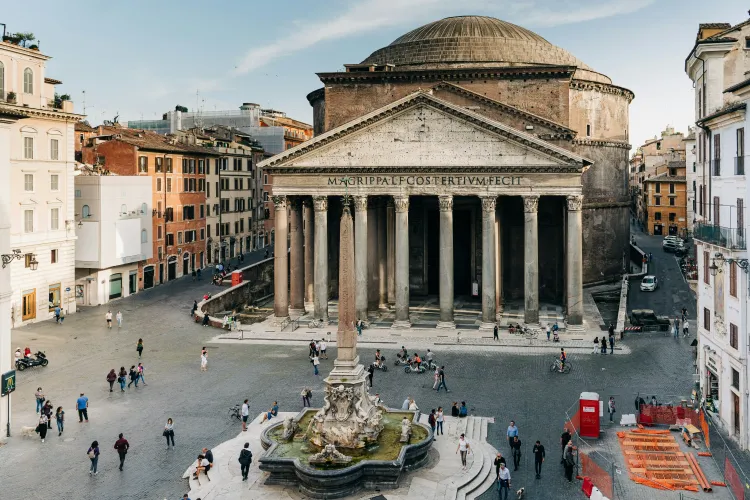
Spring is a wonderful time to experience Rome before the summer crowds arrive. Enjoy mild temperatures, with shorter queues at the Pantheon. Strolling through the historically chic center, you’ll find ancient ruins glowing in the late afternoon sun, and piazzas nearly empty at twilight, offering a rare sense of tranquility. Villa Borghese is perfect for leisurely passeggiata and photos. The weather strikes a perfect balance: warm enough to sip espresso outside a café, yet cool enough for relaxed sightseeing. As citrus trees brim with fruit and the city blooms with color, spring reveals a quieter, more romantic side of Rome, ideal for those seeking beauty without the bustle. Spring is the best time to visit Rome, Italy for great weather and manageable crowds. Tip: While most of the city feels relaxed, March and April can get particularly busy around Easter, especially in and around Vatican City, where religious celebrations attract visitors from all over the world.

Summer in Rome

Summer in Rome is filled with sun, light, and iconic joys. With long daylight hours and balmy evenings, it’s the perfect season for late-night strolls through the city’s illuminated piazzas and alfresco dining under the stars. The Colosseum offers night tours, while open-air concerts and festivals offer nightly concerts throughout the summer. The riverside festivals like Lungo il Tevere fill the Tiber’s banks with pop-up restaurants, music, and street performances. The international sounds of Roma Summer Fest and jazz under the stars at Casa del Jazz make your summer in Rome unforgettable. But this is also Rome’s peak tourist season: expect large crowds, long queues at major attractions, and higher prices for flights and accommodation. Summer is the best time to go to Rome if you're drawn to a festive atmosphere and want to make the most of the city’s outdoor life. Tip: Book your flight and accommodation early. Book skip-the-line tickets, explore the city early in the morning or after sunset, and take advantage of night tours.

Fall in Rome

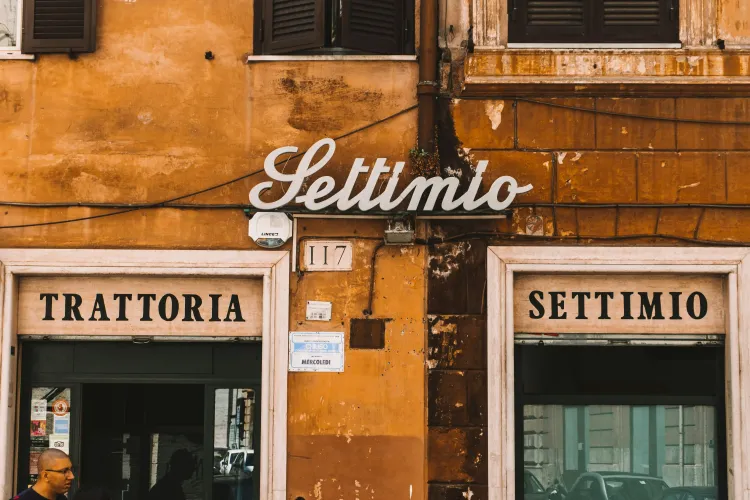
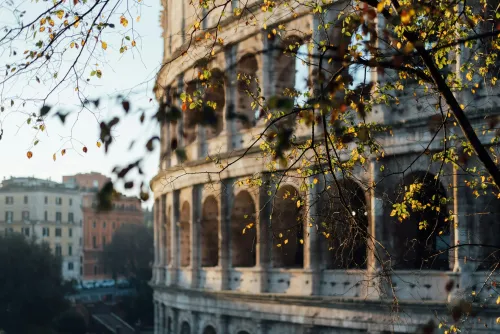
Fall in Rome is filled with crisp air, glowing autumn light, and the irresistible aroma of roasted chestnuts spreading through the cobblestone streets. As the high season fades, the Eternal City slows down just enough for you to savor it deeply. It's the perfect time for a passeggiata around tucked-away piazzas, artisan shops, and cozy enotecas. You’ll never have enough time to fully unravel Rome’s thousands of years of history, but fall invites you to try. Stroll through the open-air markets, enjoy a slow lunch in a family-run trattoria, or attend a small theater performance after dark. With fewer tourists and cooler weather, it’s easy to fall under Rome’s autumn spell. Fall is the best time to visit Rome if you’re looking to balance sightseeing with authentic local experiences and a touch of seasonal charm. Tip: Pack layers and an umbrella. Rome’s November is often its rainiest month, but also one of its most atmospheric.

Winter in Rome

With twinkly Christmas lights illuminating the cobblestone streets and ice rinks along the Tiber River, winter is the time to make the most of Rome’s shopping and food scenes in between museum and gallery hopping. From ancient sculptures to innovative exhibitions at MACRO, to steaming plates of cacio e pepe and rich red wine in cozy trattorias, to the scent of delicious roasted chestnuts from almost every corner, winter in Rome is a season to slow down and savor the city’s atmosphere. Start at Campo de' Fiori and continue for alta moda shopping on Via Condotti, Rome’s elegant shopping street with dazzling lights and luxurious window displays. As the winter sales kick off, find the perfect excuse to treat yourself to discounted luxury Italian brands and stylish local labels. Pause to sip a rich espresso or snack on a warm maritozzo before heading to Galleria Borghese or the Capitoline Museums. The Christmas tree lighting on December 7th at the St. Peter’s Square and the midnight mass are unmissable. Be sure to attend one of the many intimate Christmas concerts held in the churches or small theaters near Piazza Navona or Monti for an unforgettable end to a Roman winter’s day. Winter is the best time to visit Rome if you’re seeking a quieter, more intimate experience of the city, filled with festive charm, cozy atmosphere, and fewer crowds at its iconic landmarks. January and February are ideal for budget travelers, as hotels and airlines drop their prices. Tip: Book a guided holiday lights walking tour or a wine and food experience to make the most of Rome in winter. Remember to reserve your spot for the midnight mass at St. Peter’s Square early, as tickets sell out fast.

What is the best time to visit Rome?

How walkable is Rome?

Rome is an incredibly walkable city, especially in its historic center where the top attractions are relatively close to one another. Iconic landmarks like the Colosseum, Roman Forum, Trevi Fountain, Pantheon, and Piazza Navona can all be reached on foot, often within minutes of each other.

The city's narrow cobblestone streets and charming piazzas make walking one of the best ways to soak in the atmosphere of la Città Eterna. While some areas like Trastevere and Monti are a bit hilly or uneven, comfortable shoes go a long way. Public transport and taxis are available, but walking allows you to discover hidden gems, like small churches, artisan boutiques, or local cafés, that you might otherwise miss.

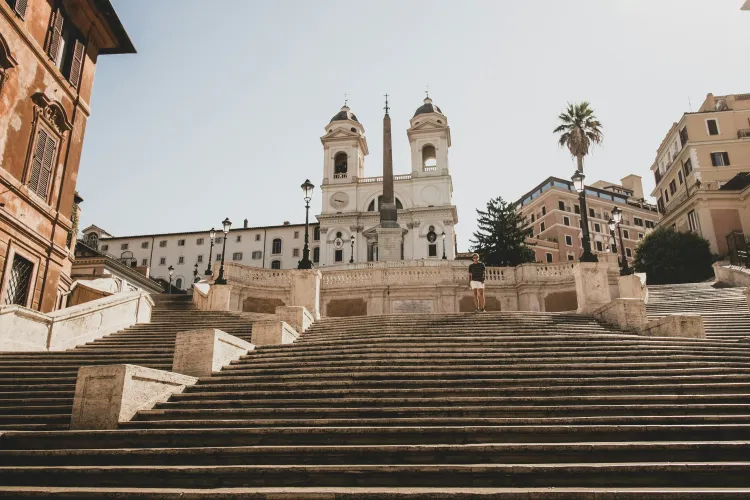
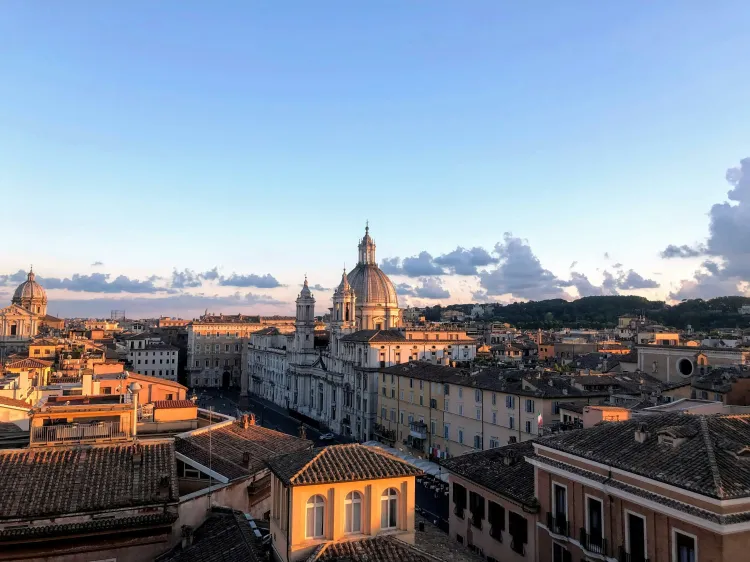
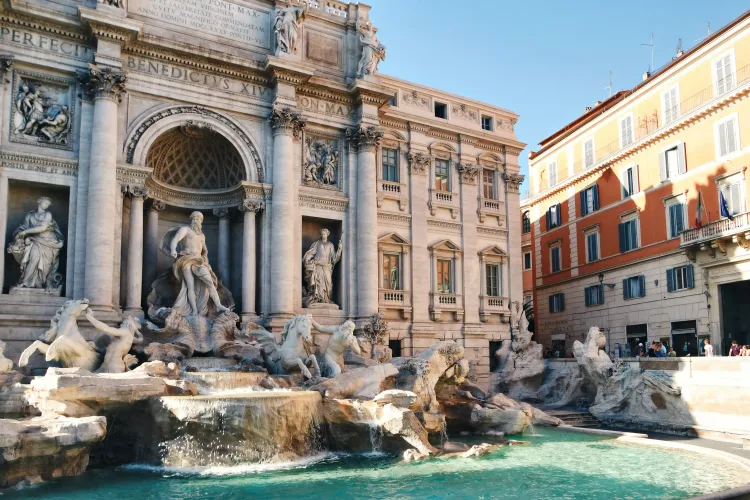
To experience the city on foot, start your journey at the Spanish Steps: climb the elegant staircase and take in sweeping views of Rome’s rooftops. From there, stroll down Via dei Condotti, Rome’s premier shopping street, and make your way to the Trevi Fountain. Continue through winding cobblestone lanes to the Pantheon, and just a few steps away, you’ll find Piazza Navona, one of Rome’s most beautiful squares, where Bernini’s Fountain of the Four Rivers stands at its center, surrounded by Baroque architecture and lively cafés.

From Piazza Navona, head south through the charming backstreets until you reach Campo de’ Fiori, and finish your walk across the Tiber River via Ponte Sisto, arriving in Trastevere for a late lunch or aperitivo.

So grab your walking shoes and get ready for having the trip of a lifetime!

How walkable is Rome?

How many days do I need in Rome to see everything?

While you could spend weeks unraveling Rome’s layers of history, art, and culture, most travelers find that 3 full days offer a perfect balance. This gives you time to toss a coin into the Trevi Fountain, marvel at the Pantheon, explore the Vatican Museums, and imagine gladiators once battling in the Colosseum. You’ll still have time to wander local neighborhoods, relax in piazzas, and sip an aperitivo on one of the charming rooftop bars as the sky turns gold. Want to go deeper? Add a day or two to uncover Rome’s hidden gems and world-class museums.

Oh, and don’t forget to plan irresistible day trips from Rome!

How many days do I need in Rome to see everything?

What is the best way to get around Rome?

The best way to get around Rome? Your feet: this is a city made for wandering. But if walking everywhere isn’t an option, or you’re headed beyond the city center, Rome’s public transport can help you cover ground, though it’s not always the most reliable. The city has revamped its buses and trams, and the metro’s three color-coded lines (A, B, and C) connect major areas, and even showcase ancient artifacts in stations like San Giovanni. You can also use official taxis and ride apps like Free Now.

But for a more seamless experience, consider booking Kiwitaxi’s Chauffeur Hire Service. Our chauffeurs deliver the highest level of professionalism, comfort, and style, while prioritizing your time and discretion. Whether you're a business executive with a packed schedule, a frequent traveler, or someone preparing for a special event, your dedicated chauffeur ensures every detail, from pickup to drop-off, is handled with care.

What is the best way to get around Rome?

What is the best area to stay in Rome?

The best area to stay in Rome depends on your travel style. But if it’s your first visit, you can’t go wrong with the Centro Storico. Staying here puts you within walking distance of major landmarks like the Pantheon, Trevi Fountain, and Piazza Navona, with charming cobbled streets, boutique hotels, and cozy trattorias right outside your door. For an authentic feel, head to Trastevere, where ivy-draped buildings and lively piazzas offer a blend of old-world charm and modern nightlife.

If you’re after quiet elegance, look to Prati near the Vatican. And if you want to find your own pied-à-terre and live like a local, even if just for a few days, go to Monti, the artistic neighborhood of the capital, tucked between the Colosseum and Via Nazionale. Monti is a hub and hideaway looking straight into Rome’s cultural and architectural heritage, with streets lined with vintage shops, artisan boutiques, independent galleries, and cozy trattorias.

What is the best area to stay in Rome?

How much does it cost to get into the Colosseum?

A standard ticket to the Colosseum, Coliseo de Roma, costs €18 and includes access to the Roman Forum and Palatine Hill. EU citizens between 18–25 years old pay a reduced rate of €4, and entry is free for children under 18. Want to skip the line or explore the underground levels? Enhance your visit with an audio guide or upgrade to a guided tour for exclusive access to underground chambers and the arena floor.

Check out our ultimate Colosseum guide for tour options, including the Colosseum Underground and Arena Floor Tour, as well as exclusive night tours, to experience the Coliseo de Roma under the spell of moonlight.

Tip: Booking in advance is a smart move, especially during peak travel months.

How much does it cost to get into the Colosseum?

How much is the Rome city tax?

Rome’s city tax, known as the contributo di soggiorno, or tourist tax, is a nightly fee added to your accommodation, designed to support local services and the preservation of the city’s cultural heritage. This small contribution that helps preserve the timeless charm of la Città Eterna alive, varies depending on the type and star rating of your accommodation:

- 5-star hotels: €10.00 - 4-star hotels: €7.50 - 3-star hotels: €6.00 - 2-star hotels: €5.00 - 1-star hotels: €4.00 - Bed & Breakfasts/Holiday Homes/Tourist residence hotels: €6.00 - Hostels: €3.50 - Campsites: €3.00

Tips: Children under 10, Rome residents, tour guides, drivers of organized groups, and companions of patients or individuals with disabilities are exempt. The city tax is typically paid upon checkout or at the end of your stay directly to your accommodation, either by cash or card.

How much is the Rome city tax?

What is the best way to visit the Vatican?

The Vatican holds some of the world’s most iconic religious and cultural landmarks: St. Peter’s Basilica, the Sistine Chapel, and the Apostolic Palace, among others. The best way to experience it all?

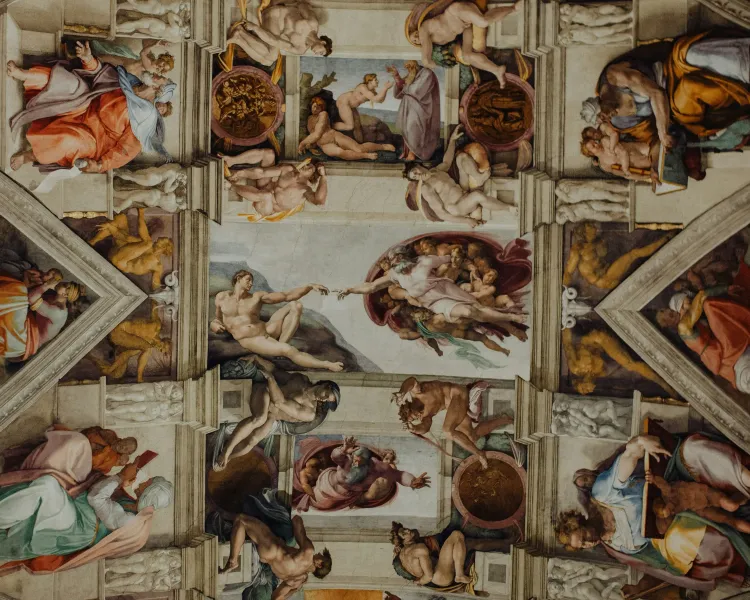
Arrive early, book your tickets in advance, and opt for a guided tour if you want deeper insight into the art and architecture, from Michelangelo’s masterpiece on the Sistine ceiling to Bernini’s sweeping colonnade in St. Peter’s Square.

Entry to St. Peter’s Basilica is free, but the lines can be long. Arrive early or book a guided tour to skip the line.

The Vatican Museums (which include the Sistine Chapel) and the Vatican Gardens (which are only accessible by guided visit) require a ticket. Guided tours offer skip-the-line access, expert insights from a knowledgeable guide, and often a direct pathway from the Sistine Chapel into St. Peter's Basilica (bypassing the long lines outside the Basilica).

Choose between small group tours, private tours, and even early access or after-hours tours, depending on your budget and preferences.

Tips: Avoid Wednesdays and Weekends: Wednesdays are busy due to the Papal Audience, and weekends attract heavy crowds. The Dress Code is Strict: Shoulders and knees must be covered for all Vatican sites. No sleeveless tops, short shorts, or mini-skirts. Men should remove hats indoors. Bring a scarf or cover-up if needed, security is strict and may deny entry.

What is the best way to visit the Vatican?

What are the must-see attractions in Rome?

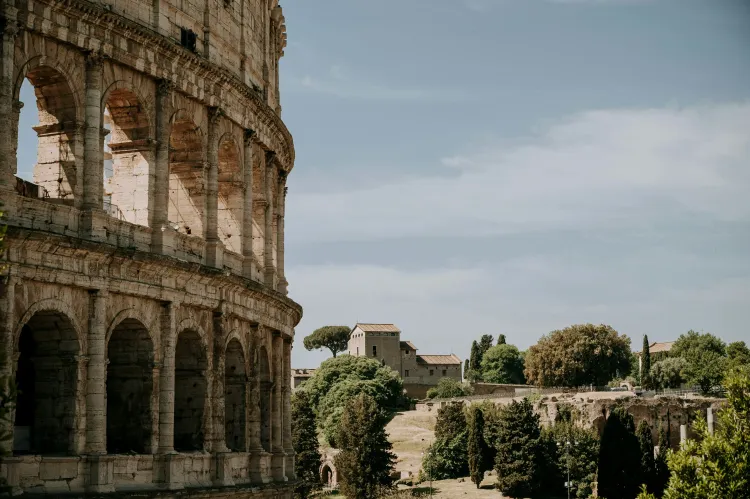
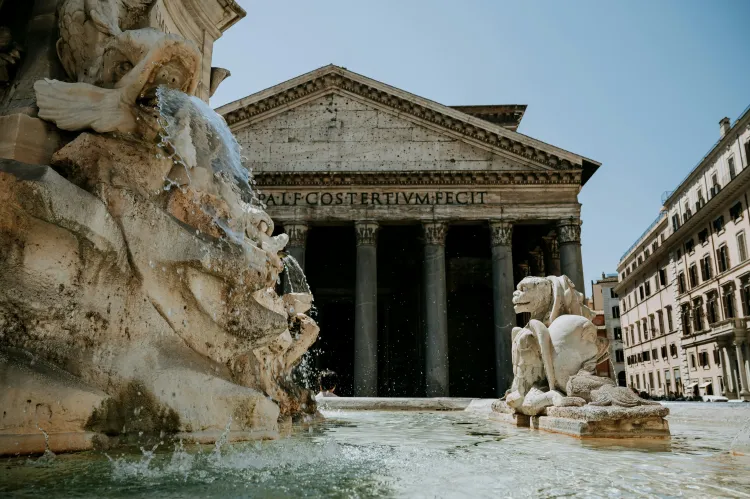
While “Roma, non basta una vita,” (“Rome, one lifetime is not enough”) here are the essential attractions every first-time visitor to the Eternal City should visit. Start with Ancient Rome, where the Colosseum, Roman Forum, and Palatine Hill bring the empire’s grandeur to life. Step into the Pantheon, a perfectly preserved temple that still stuns with its massive dome. Explore the masterpieces of the Vatican Museums, marvel at Michelangelo’s Sistine Chapel, and climb St. Peter’s Basilica for an unforgettable view.

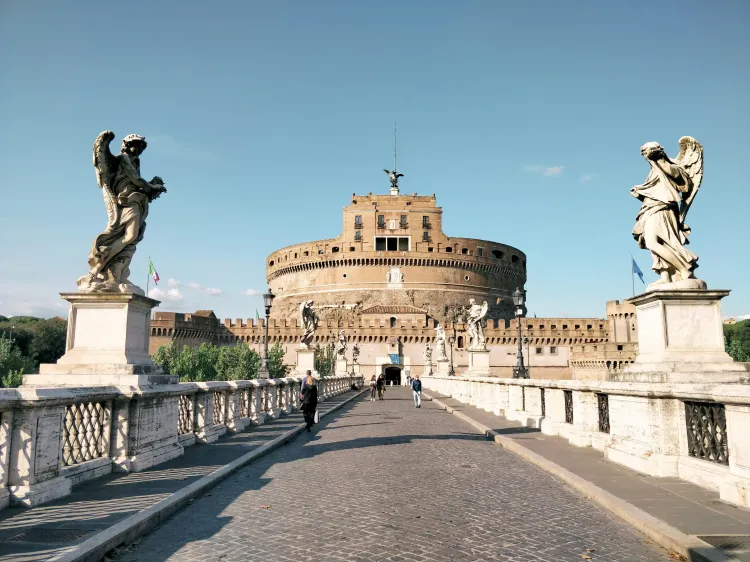
Let Baroque Rome sweep you away: toss a coin in the Trevi Fountain, people-watch in Piazza Navona, and rest on the Spanish Steps. Don’t miss hidden gems like Castel Sant’Angelo, the buzz of Campo de’ Fiori, or the peaceful Villa Borghese Gardens.

Tip: Check out our Rome in 1 or 3 Days guide for curated itineraries and insider tips to make the most of your time in the Eternal City.

What are the must-see attractions in Rome?

Is Rome a good destination for families?

Exceptionally warm, wildly affectionate, and endlessly curious, Rome feels like it was built with kids in mind. From marveling at a centuries-old fresco, chasing pigeons across a sunlit square, or indulging in the world’s best gelato, Rome fosters the very things kids respond to most: beauty, creativity, and love.

The Eternal City is like an open-air museum, where kids can explore ancient ruins, climb castle towers, and savor decadent food in trattorias that greet kids with warmth and admiration (and often a plate of pasta just their size). The Colosseum is a hit with little gladiators-in-training, and Villa Borghese offers bike rentals, puppet shows, and plenty of green space to run around.

Many museums offer free kids’ days or hands-on workshops designed just for children. Traveling in summer? Check out local “sagras” (festivals) for kid-friendly programming and activities.

And if you’re looking for even more family-friendly transportation from the moment you land, check out our guide: Family Travel: Easiest Ways from Rome Airports to City With Children & Luggage

Tip: Keep an eye out for playgrounds, or parco giochi in almost every neighborhood.

Is Rome a good destination for families?

What are some hidden gems or lesser-known attractions?

There’s more to Rome than the Colosseum and the Vatican. So, once you’ve ticked off your requisite site visits, it's time to discover Rome’s hidden gems. For a peaceful escape and breathtaking views, wander through the Orange Garden on Aventine Hill. Just around the corner, peek through the famous Keyhole of the Knights of Malta for a perfectly framed view of St. Peter’s dome.

Love art without the crowds? Head to Palazzo Altemps or the Centrale Montemartini. The Galleria Doria Pamphilj stuns with lavish rooms and masterpieces by Caravaggio and Velázquez.

For old meets new in the most unexpected ways, visit Chiostro del Bramante, where contemporary and pop art exhibitions are stunningly set within a Renaissance cloister. Then wander over to Via Margutta, just behind the bustle of Via del Babuino. Once home to Federico Fellini, it’s now dotted with tiny galleries and artisan studios.

For Rome’s modern slide, visit Renzo Piano’s Parco della Musica, Richard Meier’s Museo dell’Ara Pacis, and Zaha Hadid’s bold MAXXI museum. Descend through the layers of the Basilica di San Clemente, from a 12th-century church down to a 4th-century basilica and finally to a 1st-century Roman house and Mithraic temple.

For a touch of whimsy, wander into Quartiere Coppedè in the Trieste district. With its swirling Art Nouveau facades, Baroque flourishes, and Gothic touches, it feels like a Roman fairytale come to life.

Take a stroll down Via dei Coronari for charming antiques, tucked-away cafés, and fewer tourists. For a truly local vibe, spend an evening in the Testaccio neighborhood. And for irresistible golden views of Rome and an elegant alfresco aperitivo hour, meet the sunset at the Gianicolo Hill (Janiculum Hill).

What are some hidden gems or lesser-known attractions?
Airport transfers illustration

Kiwitaxi Airport Transfers

Relax and enjoy the ride, knowing that every detail is managed for your peace of mind

Explore